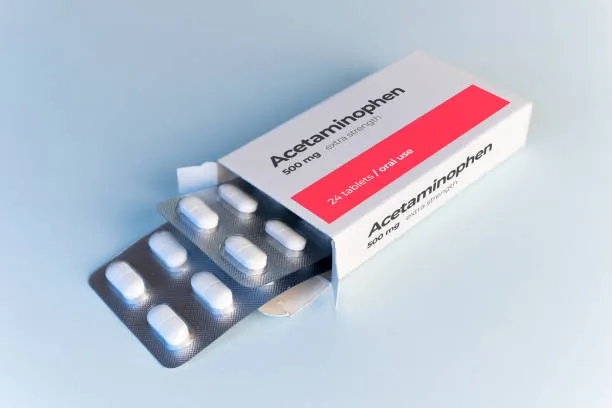
ı What is Paracetamol Tablet?
Paracetamol, also known as acetaminophen, is a widely used over-the-counter (OTC) medication for pain relief and fever reduction. It is available under various brand names such as Panadol, Calpol, Tylenol, and Alvedon. Paracetamol is a non-opioid analgesic and antipyretic agent, which means it helps in reducing pain and fever without the risk of addiction associated with opioids.
ı How does Paracetamol Tablet work?
The exact mechanism of how paracetamol works is still under investigation, but it is believed to operate through multiple pathways:
-
Prostaglandin Inhibition: Paracetamol inhibits the production of prostaglandins, which are chemicals that contribute to pain and fever. It does this by reducing the active form of cyclooxygenase (COX) enzymes, particularly COX-2, in the central nervous system.
-
Serotonergic Pathways: Paracetamol activates descending serotonergic pathways, which are involved in pain modulation.
-
Cannabinoid Receptors: An active metabolite of paracetamol, AM404, influences cannabinoid receptors, potentially contributing to its analgesic effects.
-
Nitric Oxide Pathway: There’s evidence suggesting paracetamol might also work through the nitric oxide pathway, although this is less understood.
ı Symptoms that You Need Paracetamol
Paracetamol is commonly used for:
-
Headache and Migraine: It provides relief from tension headaches and migraines.
-
Muscle and Joint Pain: Effective for muscle aches, backache, and mild arthritis pain.
-
Toothache: Helps alleviate tooth pain.
-
Menstrual Cramps: Useful for dysmenorrhea or period pain.
-
Fever: Reduces fever associated with colds, flu, and other infections.
-
Post-operative Pain: Can be used for pain relief after minor surgeries.
ı Ideal Dosage for Paracetamol
The recommended dosage for adults and children over 12 years is:
-
No more than 1g every 4 to 6 hours, with a total of 4g daily. Exceeding this dose can lead to liver damage, which can be fatal.
For children aged 1 month to 12 years:
-
Dosing is 15 mg per kg, with a maximum of 4 doses in 24 hours. Always follow the dosing instructions on the product label.
ı Benefits of Paracetamol
-
Effective Pain Relief: Paracetamol is known for its ability to relieve mild to moderate pain.
-
Fever Reduction: It effectively reduces fever, although its benefits in adults are less clear.
-
Minimal Side Effects: Compared to NSAIDs, paracetamol has fewer gastrointestinal side effects.
-
Wide Availability: It’s available over-the-counter, making it easily accessible for immediate relief.
-
.webp)
ı Side Effects of Paracetamol
While generally well-tolerated, paracetamol can have side effects:
-
Liver Damage: Overdose can lead to severe liver damage or failure.
-
Allergic Reactions: Some individuals might be allergic to paracetamol or its ingredients.
-
Skin Reactions: Rarely, it can cause skin rashes or other dermatological issues.
-
Metabolic Acidosis: In severe infections, paracetamol might increase the risk of metabolic acidosis.
ı When to Consult a General Physician in Pune for Paracetamol?
Consult a general physician if:
-
You have liver or kidney problems: Paracetamol can be harmful in these conditions.
-
You’re taking other medications: To avoid exceeding the safe dose of paracetamol.
-
You experience severe side effects: Such as signs of liver damage or allergic reactions.
-
You need long-term pain management: Paracetamol might not be suitable for chronic pain.
-
You’re unsure about dosage: Especially for children or if you’re taking multiple medications.
ı FAQ Related to Paracetamol Medication in Pune
Q: Can I take paracetamol with other pain relievers?
A: It’s generally safe to take paracetamol with NSAIDs like ibuprofen, but always consult your doctor to avoid exceeding the safe dose of paracetamol.
Q: Is paracetamol safe for pregnant women?
A: Paracetamol is considered safe during pregnancy when used as directed, but always consult your healthcare provider.
Q: Can I give paracetamol to my child for fever?
A: Yes, but follow the dosage guidelines for children, and consult a pediatrician if the fever persists or if you’re unsure about the dosage.
Q: What should I do if I accidentally take too much paracetamol?
A: Seek immediate medical attention. Overdose can lead to liver damage, which requires prompt treatment.
Q: Can paracetamol be used for chronic pain?
A: The evidence for paracetamol in chronic pain management is insufficient, and it’s generally recommended for acute pain relief.
Q: How long can I take paracetamol for?
A: For short-term relief, paracetamol can be taken as needed. For chronic conditions, consult your doctor for long-term management strategies.
In conclusion, paracetamol is a versatile and widely used medication for pain relief and fever reduction. However, understanding its proper use, dosage, and potential side effects is crucial for safe and effective treatment. If you have any concerns or need personalized advice, consulting a general physician in Pune is always recommended.

Leave a Reply