Blog

  • Effective Treatments for Tonsil Diseases in Pune at Lopmudra Hospital

    Effective Treatments for Tonsil Diseases in Pune at Lopmudra Hospital

    Understanding Tonsil Diseases


    Tonsil diseases are common ailments affecting both adults and children, primarily involving inflammation or infection of the tonsils. These ailments can lead to a variety of symptoms, affecting your daily life and well-being. At Lopmudra Hospital in Pune, we provide comprehensive treatments for all types of tonsil-related issues, ensuring the best care with our experienced ENT specialists. Let’s delve deeper to understand the causes, symptoms, and treatments associated with tonsil diseases.


    ı Causes of Tonsil Diseases

    Tonsil diseases, including tonsillitis, typically occur due to infection by viruses or bacteria. Factors like weakened immunity, exposure to germs, and seasonal changes can elevate the risk of tonsil infections. The primary causative agents include:

    • Viruses: Common viruses like adenovirus, influenza, and Epstein-Barr virus can lead to tonsil inflammation.
    • Bacteria: Streptococcus bacteria are responsible for strep throat, leading to bacterial tonsillitis.
    • Environmental Factors: Cold weather and pollution increase susceptibility to infections.

    Understanding these causes can help in early diagnosis and timely intervention. Our ENT specialists at Lopmudra Hospital are adept at identifying the root cause of tonsil diseases and providing effective solutions.


    ı Symptoms of Tonsil Diseases

    Recognizing the symptoms of tonsil diseases is crucial for determining the right course of treatment. Common signs include:

    • Sore Throat: Persistent pain and discomfort in the throat area are typical.
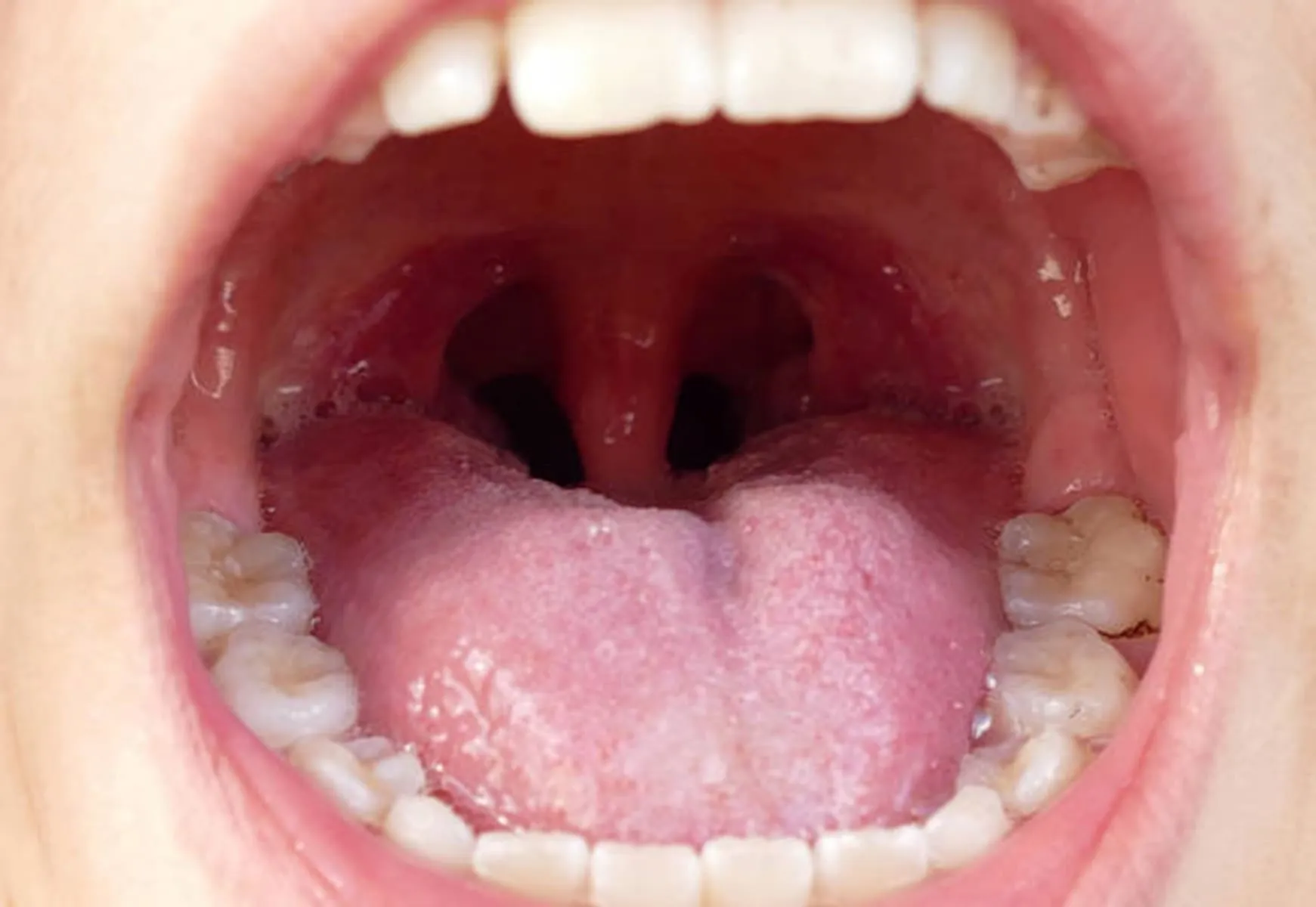
    • Swollen Tonsils: Visible enlargement of tonsils, sometimes accompanied by white patches.
    • Difficulty Swallowing: Pain and trouble while consuming food or drinks.
    • Fever: Often, an elevated temperature accompanies the infection.
    • Bad Breath: Halitosis can result from bacterial buildup.

    Should you experience any of these symptoms, contacting an ENT specialist in Pune is advised. At Lopmudra Hospital, we offer thorough diagnostic services to confirm the presence of tonsil diseases and commence appropriate treatments.


    Symptoms of Tonsil Diseases

    ı Diagnostic procedures at Lopmudra Hospital

    Accurate diagnosis of tonsil diseases involves a series of examinations and tests performed by an experienced ENT doctor. Procedures include:

    • Physical Examination: Inspection of the throat and tonsils to assess swelling, redness, or presence of spots.
    • Throat Swab: A sample taken from saliva to detect bacterial infections like strep throat.
    • Blood Tests: Evaluating complete blood count (CBC) to identify infections.

    With facilities like these, Lopmudra Hospital stands as a leader in providing comprehensive diagnostics for tonsil treatment in Pune.


    ı Treatment options for Tonsil Diseases

    Treatments range from home remedies to advanced surgical interventions, depending on the severity and cause of the disease. Some common treatment methods are:

    • Medication: Antibiotics for bacterial infections and anti-inflammatory drugs to reduce swelling may be prescribed.
    • Home Care: Gargling warm salt water, staying hydrated, and using throat lozenges can alleviate symptoms.
    • Tonsillectomy: In recurrent or chronic cases, surgical removal of the tonsils may be necessary. This outpatient procedure is expertly performed at Lopmudra Hospital tonsil procedure.

    Whether it’s child tonsil treatment in Pune or adult tonsil treatment Pune, our team at Lopmudra Hospital offers tailored treatment plans catering to individual needs.


    ı Why choose Lopmudra Hospital for Tonsil Treatment?

    Choosing the right healthcare provider is essential for effective treatment outcomes. Lopmudra Hospital is renowned as the best hospital for tonsil treatment in Pune. Here are some reasons why:

    • Experienced Specialists: Our team comprises highly skilled ENT specialists with extensive experience in diagnosing and treating tonsil diseases.
    • Comprehensive Care: From diagnosis to surgery, we offer end-to-end care under one roof.
    • State-of-the-Art Facilities: Our hospital is equipped with modern technology to support advanced diagnostic and surgical procedures.
    • Patient-Centric Approach: We prioritize comfort, safety, and personalized care for every patient.

    Our dedication to excellence makes Lopmudra Hospital a preferred choice for ENT treatments in Pune.


    ı Lifestyle changes and Prevention tips

    Preventing tonsil diseases involves maintaining a healthy lifestyle and adopting practices that reduce infection risk. Consider these preventive measures:

    • Good Hygiene: Regular hand washing can prevent the spread of germs.
    • Healthy Diet: A balanced diet enriched with nutrients strengthens the immune system.
    • Avoid Smoking: Smoking and tobacco exposure can exacerbate throat infections.

    These simple lifestyle changes can significantly reduce the occurrence and recurrence of tonsil diseases, supplementing medical treatments offered at Lopmudra Hospital.


    ı Patient Testimonials and Success Stories

    Hearing from those who have been in similar situations can provide comfort and reassurance. Here at Lopmudra Hospital, we’ve successfully treated numerous patients, each with a unique story to tell:

    “After struggling with recurrent tonsillitis, the team at Lopmudra Hospital helped me find relief. Their expertise and care transformed my health completely.” – Rajesh P., Pune

    “Thanks to the skilled specialists at Lopmudra Hospital, my son’s tonsillitis is now under control. Their attention to detail and patient care is truly commendable.” – Anjali S., Pune

    These positive testimonials underscore the commitment of Lopmudra Hospital to deliver unparalleled care and the best medical outcomes for our patients.


    ı How to Schedule an Appointment

    If you or a loved one is experiencing symptoms of tonsil diseases, schedule an appointment with our trusted ENT specialists in Pune. Contact us through:

    • Phone: Call us at +918087122022 for immediate assistance.
    • WhatsApp: Reach out to us at 918379033033 for quick and convenient communication.
    • Website: Visit our online portal for appointment booking and more information.

    At Lopmudra Hospital, we are dedicated to providing compassionate and comprehensive tonsil care in Pune’s Vishwakarma Nagar, conveniently located near NIV Pashan.


    chat with us

  • Understanding Uric Acid: How It Regulates Acidity Levels | Lopmudra Hospital Specialists

    Understanding Uric Acid: How It Regulates Acidity Levels | Lopmudra Hospital Specialists

    Understanding Uric Acid and its role in maintaining Bodily Acidity


    Uric acid, an often misunderstood and overlooked compound in the body, plays a crucial role in maintaining our body’s acidity levels. Managing the delicate balance of acidity in the body is essential for optimal health, and abnormalities in uric acid levels can lead to a range of health issues. At Lopmudra Hospital, located in Pashan, Pune, we specialize in diagnosing and managing uric acid-related conditions to help maintain this important balance. This blog will delve into the fascinating world of uric acid, exploring its formation, function, and implications for health.


    ı What is uric acid?

    Uric acid is a waste product that results from the breakdown of purines, which are compounds found in certain foods and beverages such as red meat, seafood, and alcohol. Normally, it’s dissolved in the blood and filtered by the kidneys where it is eliminated through urine. However, when too much uric acid is produced or the kidneys don’t remove enough of it, high levels accumulate, which can lead to health problems.

    Knowledge of uric acid levels is crucial as it helps in diagnosing and preventing various health issues. At Lopmudra Pashan Pune, we offer comprehensive testing to monitor uric acid levels as part of our dedication to providing top-tier medical care in Pashan Pune.


    ı The importance of maintaining proper acidity levels

    The human body requires a balanced pH to function optimally. The pH scale ranges from 0 to 14, with 7 being neutral; values below 7 are acidic, and those above are alkaline. A balanced pH level, typically around 7.4 for blood, is essential for enzyme function and overall metabolic processes.

    Uric acid plays a role in maintaining this balance by acting as an antioxidant; however, when levels become too high, it can cause problems like gout or kidney stones. Lopmudra Hospital uric acid clinic in Pune provides specialized testing and management strategies tailored to individual needs, ensuring the effective regulation of body’s acidity levels.


    ı Causes of elevated uric acid levels

    Several factors can contribute to elevated uric acid levels, often referred to as hyperuricemia:

    • Dietary choices: Consuming foods high in purines, such as red meat, can increase uric acid levels.
    • Genetic predisposition: Inherited factors can significantly affect urate balance in the body.
    • Medical conditions: Conditions like obesity, diabetes, and renal insufficiency can impair the body’s ability to excrete uric acid efficiently.
    • Medications: Diuretics and certain chemotherapy drugs can raise uric acid levels.

    Understanding these factors is key in preventing and managing high uric acid levels. Uric acid specialist Pune doctors at our hospital provide guidance and plans to address these causes effectively.


    ı Symptoms and complications of high uric acid levels

    Elevated uric acid may present various symptoms and lead to complications if not addressed promptly:

    • Gout: A condition marked by intense joint pain, particularly in the big toe, often accompanied by swelling and redness.
    • Kidney stones: High uric acid levels can lead to the formation of stones in the kidneys, causing pain and urinary issues.
    • Metabolic syndrome: Hyperuricemia may exacerbate conditions related to this syndrome, such as hypertension and insulin resistance.

    At Lopmudra Pashan, our specialist teams proficiently diagnose these symptoms for timely and effective treatment.

    Symptoms and complications of high uric acid levels

    ı Diagnosing uric acid imbalances

    Proper diagnosis is fundamental in effectively managing uric acid levels. Our experts at Lopmudra Hospital in Pune use a combination of blood tests, urine tests, and imaging tests to ascertain the level of uric acid and its impact on your health. Diagnosis typically involves:

    • Blood tests: These tests measure the amount of uric acid in the bloodstream and help determine if they fall within a normal range.
    • Joint fluid tests: If gout is suspected, fluid may be extracted from an affected joint to look for urate crystals.
    • Ultrasound or CT scans: Imaging may detect urate deposition or kidney stones.

    These approaches allow our uric acid specialist Pune team to provide a targeted treatment plan.


    ı Treatment options for managing uric acid levels

    Various treatment options are available to manage and reduce high uric acid levels. At Lopmudra Hospital Pune, our approach is comprehensive and includes:

    • Lifestyle modifications: Dietary changes to reduce purine intake, weight management, and improved hydration are pivotal first steps.
    • Medications: These may include allopurinol, febuxostat, or probenecid to inhibit uric acid production or enhance its elimination.
    • Alternative therapies: Techniques like acupuncture or physical therapy may offer complementary benefits alongside traditional treatments.

    Acidity care at Lopmudra Hospital emphasizes patient education and a supportive environment to achieve lasting changes.


    ı Comparing treatment methods

    Treatment Method Benefits Considerations
    Lifestyle Changes Natural, holistic Requires discipline and commitment
    Medication Effective for acute management Possible side effects, requires monitoring
    Alternative Therapies Complementary to conventional treatment Efficacy varies, not suitable for acute cases

    Our committed team works with patients to develop personalized intervention strategies, upholding our promise of delivering excellent Pune medical services.


    ı Preventive tips for maintaining optimal uric acid levels

    Prevention is always better than cure, and maintaining optimal uric acid levels requires a proactive approach:

    • Healthy eating: Incorporating a diet low in purines and rich in vegetables can substantially reduce uric acid production.
    • Regular exercise: Physical activity helps maintain a healthy weight and supports metabolic processes that reduce urate build-up.
    • Adequate hydration: Drinking sufficient water daily assists the kidneys in excreting uric acid efficiently.

    At Lopmudra Hospital, we advocate a balanced lifestyle as a pivotal measure in managing uric acid levels and offer resources and support to assist our patients in their journey towards health and wellness.


    ı Contact us: leading the way in uric acid management

    If you are experiencing symptoms associated with high uric acid levels or want guidance on managing your acidity levels, our team at Lopmudra Hospital is ready to assist you. Our uric acid treatment Pune specialists are available to create a personalized care plan tailored to your unique health needs.

    Visit us at Vishwakarma Nagar, Lopmudra Hospital, CTS No. 1338, Survey No 148/4, Pashan – Sus Rd, near NIV Pashan, Pune, Maharashtra 411021, Pune, India. To book an appointment, call us at +918087122022 or send a message via WhatsApp at 918379033033. For more information, visit our website at lopmudrahospitals.com.

    Together, let’s take proactive steps towards your health and well-being with our expert acidity treatment Pune services at Lopmudra Pashan Pune – your trusted partner in health.

    chat with us

  • Recognize Heart Attack Symptoms and Save Lives – Insights from Lopmudra Hospital

    Recognize Heart Attack Symptoms and Save Lives – Insights from Lopmudra Hospital

    Understanding Heart Attacks: An essential overview


    A heart attack, medically known as a myocardial infarction, occurs when the blood flow to a part of the heart is blocked for a long enough time that part of the heart muscle is damaged or dies. Understanding this condition is vital as it helps in recognizing the signs early and seeking timely intervention. According to the World Health Organization, heart disease is the leading cause of death worldwide. At Lopmudra Hospital, we are committed to providing top-notch cardiovascular care to our patients in Pune and the surrounding areas.


    ı Common signs and symptoms of a Heart Attack

    Recognizing the symptoms of a heart attack can be life-saving. While some heart attacks are sudden and intense, most start slowly, with mild pain or discomfort. Common signs include:

    • Chest Pain or Discomfort: Often described as a feeling of pressure, squeezing, fullness, or pain in the center or left side of the chest. This discomfort can last more than a few minutes or may go away and return.
    • Upper Body Pain: Pain or discomfort in the arms, back, neck, jaw, or stomach. This can be misleading as the pain radiates away from the chest.
    • Shortness of Breath: This can occur with or without chest pain. It may feel like you can’t get enough air into your lungs.
    • Other Signs: These may include cold sweat, nausea, vomiting, or lightheadedness.

    It’s important to note that not all people who have heart attacks experience the same symptoms or the same severity. At Lopmudra Hospital, our team of specialists is equipped to educate and treat heart attack symptoms effectively, ensuring patient safety and comfort.

    symptoms of a Heart Attack

    ı Causes and Risk Factors of Heart Attacks

    The primary cause of a heart attack is coronary artery disease (CAD)—a condition that occurs when the coronary arteries become narrowed or blocked over time by cholesterol and fat deposits, forming plaque. Risk factors include:

    • Age: Men aged 45 or older and women aged 55 or older are more likely to have a heart attack than their younger counterparts.
    • Gender: Men generally have a higher risk of heart attack than women. However, cardiovascular disease remains a leading cause of death in women.
    • Family History: If your parents or siblings have had heart disease, you may be at an increased risk.
    • Lifestyle Factors: This includes smoking, poor diet, lack of physical activity, high stress, and obesity.

    Understanding these risk factors can help in modifying habits to reduce risk. At Lopmudra Hospitals, we emphasize preventative care and lifestyle changes to mitigate these risks efficiently.


    ı Preventing heart disease and heart attacks

    Prevention is always better than cure, especially when it comes to heart disease. To prevent heart attacks:

    • Quit Smoking: Smoking is a major risk factor that can be controlled. Quitting smoking improves heart health substantially within just a few years.
    • Maintain a Healthy Diet: A diet low in saturated fat, cholesterol, and sodium can help reduce the risk of heart disease.
    • Stay Physically Active: Regular exercise helps maintain a healthy weight and improves cardiovascular health.
    • Regular Check-ups: Regular health screenings at Lopmudra Hospital Pashan can help in early detection and management of heart risks.

    Implementing these lifestyle changes can lower the chances of experiencing a heart attack. Our experts at Lopmudra Hospital are here to guide and support you through this journey, offering personalized plans and regular follow-up care.


    ı What to do if you have a Heart Attack

    If you or someone you know experiences symptoms of a heart attack, it’s critical to act fast. Immediate medical attention can save lives and reduce damage to the heart muscle. Here’s what you should do:

    • Call Emergency Services: Dial emergency services immediately for an ambulance. Provide clear information about the symptoms and location.
    • Take Aspirin: If advised by a health professional, chew an aspirin, as it can help reduce blood clotting.
    • Rest: Minimize movement and try to stay calm. Do not drive yourself to the hospital; wait for medical personnel to arrive.

    At Lopmudra Hospital, our heart emergency department is fully equipped to handle such urgent situations with care and expertise. You can reach us at +918087122022 for prompt assistance.


    ı Treatment options for Heart Attack

    Treatment for a heart attack depends on the severity of the attack and the patient’s overall health. Commonly used treatments include:

    Treatment Description
    Medications These include thrombolytics to dissolve clots, antiplatelet agents to prevent new clots, and beta-blockers to reduce heart workload.
    Coronary Angioplasty A procedure to open blocked coronary arteries using a balloon and stent. It restores blood flow to the heart muscle effectively.
    Coronary Artery Bypass Grafting (CABG) This is a surgical procedure that involves using a vessel from another part of the body to bypass the blocked artery.

    Our team at Lopmudra Hospital Pashan ensures that each patient receives a tailored treatment plan to improve outcomes and recovery speed. Trust our expert cardiologists to guide you through every step of your healthcare journey.


    ı Aftercare and Rehabilitation following a Heart Attack

    Recovery from a heart attack involves both physical and emotional aspects. Effective aftercare is crucial and comprises a combination of medications, lifestyle changes, and, often, participation in a supervised cardiac rehabilitation program.

    • Medications: These will be prescribed to help your heart recover and avoid further problems. They often include beta-blockers, ACE inhibitors, and anticoagulants.
    • Healthy Lifestyle Adjustments: Continuing to eat healthily, engaging in regular physical activity, and quitting smoking are vital for recovery.
    • Cardiac Rehabilitation: Our program at Lopmudra Hospital offers patients a comprehensive range of therapies and counseling to promote heart health.

    At Lopmudra Hospital, we are dedicated to supporting your recovery journey and helping you return to an active and fulfilling life in Pune.


    ı Importance of regular heart check-ups

    Regular heart check-ups, especially for those with risk factors for heart disease, are crucial. Early detection of potential issues can lead to timely intervention, significantly improving health outcomes. At Lopmudra Pashan, our state-of-the-art diagnostic facilities and experienced cardiology team offer comprehensive evaluations including stress tests, cholesterol checks, and blood pressure monitoring.

    With frequent visits to our clinic, our team can monitor your heart health closely, ensuring you get the best care possible alongside personalized advice for lifestyle modifications.

    Book your appointment today by visiting our website or contacting us at +918087122022.

    chat with us


  • Headache Tablets: Understanding Your Options for Relief

    Headache Tablets: Understanding Your Options for Relief

    Headache Tablets: Understanding Your Options for Relief

    Headaches are a common ailment that can range from a mild annoyance to a debilitating condition that affects daily life. At Lopmudra Hospital in Pune, we understand the importance of effective headache management. In this blog, we’ll explore the various headache tablets available, their uses, dosages, and when to seek professional medical advice.


    What Causes Headaches?

    Before delving into the medications, it’s crucial to understand what might be causing your headache. Common triggers include:

    • Tension: Often due to stress, poor posture, or muscle strain.

    • Migraines: Can be triggered by hormonal changes, certain foods, or environmental factors.

    • Sinus Issues: Resulting from inflammation or infection in the sinuses.

    • Dehydration: Lack of adequate water intake.

    • Lack of Sleep: Insufficient or poor-quality sleep can lead to headaches.


    Types of Headache Tablets

    1. Paracetamol (Acetaminophen):

      • Uses: Effective for mild to moderate headaches, including tension headaches and migraines.

      • Dosage: For adults and children over 12 years, the recommended dose is one or two 500-mg tablets up to four times in 24 hours, with at least 4 hours between doses. For children, paracetamol is available in various forms from the age of 3 months.

      • Benefits: Widely available, minimal side effects when used as directed, and effective for pain relief and fever reduction.

      • Side Effects: Overdose can lead to liver damage.

    2. Ibuprofen:

      • Uses: Treats tension headaches, migraines, and pain associated with inflammation.

      • Dosage: Adults can take one or two 200-mg tablets or capsules three times a day, with 6 hours between doses. In severe cases, a doctor might recommend slow-release tablets or capsules of up to 800 mg.

      • Benefits: Reduces pain and inflammation, making it suitable for headaches caused by muscle tension or sinus issues.

      • Side Effects: Can cause gastrointestinal upset, bleeding, and liver damage if overused.

    3. Aspirin:

      • Uses: Effective for tension headaches, migraines, and pain relief.

      • Dosage: The usual dose for adults is one or two 300-mg tablets every 4–6 hours. Aspirin suppositories are also available.

      • Benefits: Besides pain relief, aspirin has anti-inflammatory properties and can help with fever reduction.

      • Side Effects: Can cause heartburn, gastrointestinal bleeding, and should not be given to children under 16 due to the risk of Reye’s syndrome.

    4. Combination Medications:

      • Uses: Often combine paracetamol with other ingredients like ibuprofen, caffeine, or phenylephrine for faster or more effective headache relief.

      • Benefits: Can provide quicker relief due to the synergistic effects of multiple active ingredients.

      • Side Effects: Varies based on the combination, but generally includes those associated with the individual components.


    When to Seek Medical Attention

    While most headaches can be managed with over-the-counter medications, there are instances when professional medical advice is necessary:

    • Frequent Headaches: If you experience headaches multiple times a week, it might indicate an underlying issue.

    • Severe Intensity: Sudden, severe headaches or the worst headache of your life require immediate attention.

    • Accompanying Symptoms: Headaches with vision problems, confusion, numbness, or weakness in limbs are emergencies.

    • Persistent Headache: If a headache doesn’t respond to medication or worsens over time.


    Which Doctor to Consult for Headaches?

    • Primary Care Doctors: For most headaches, your primary care physician can provide initial treatment or refer you to a specialist.

    • Headache Specialists: If your headaches are not responding to treatment, a neurologist or headache medicine specialist can offer more targeted therapies.

    • Emergency Department: For severe, sudden headaches or those with alarming symptoms, head straight to the emergency department.


    Tips for Using Headache Tablets

    • Read Labels: Always check the active ingredients and follow the dosage instructions on the product label.

    • Avoid Overuse: Overuse of headache medications can lead to rebound headaches or other complications.

    • Consult Your Doctor: If you have underlying health conditions or are taking other medications, consult your doctor before starting any new headache treatment.


    Conclusion

    Headache tablets are a common and often effective way to manage headache pain. However, understanding the type of headache, the appropriate medication, and when to seek medical help is crucial for effective treatment. At Lopmudra Hospital, we encourage you to take an active role in managing your headaches, but also to seek professional advice when necessary. Remember, while headaches are common, they don’t have to be a part of your daily life. With the right approach, you can find relief and improve your quality of life.

  • Paracetamol Uses, Dosage, and Side Effects – Lopmudra Hospital, Pune

    Paracetamol Uses, Dosage, and Side Effects – Lopmudra Hospital, Pune

    ı What is Paracetamol Tablet?

    Paracetamol, also known as acetaminophen, is a widely used over-the-counter (OTC) medication for pain relief and fever reduction. It is available under various brand names such as Panadol, Calpol, Tylenol, and Alvedon. Paracetamol is a non-opioid analgesic and antipyretic agent, which means it helps in reducing pain and fever without the risk of addiction associated with opioids.


    ı How does Paracetamol Tablet work?

    The exact mechanism of how paracetamol works is still under investigation, but it is believed to operate through multiple pathways:

    • Prostaglandin Inhibition: Paracetamol inhibits the production of prostaglandins, which are chemicals that contribute to pain and fever. It does this by reducing the active form of cyclooxygenase (COX) enzymes, particularly COX-2, in the central nervous system.

    • Serotonergic Pathways: Paracetamol activates descending serotonergic pathways, which are involved in pain modulation.

    • Cannabinoid Receptors: An active metabolite of paracetamol, AM404, influences cannabinoid receptors, potentially contributing to its analgesic effects.

    • Nitric Oxide Pathway: There’s evidence suggesting paracetamol might also work through the nitric oxide pathway, although this is less understood.


    ı Symptoms that You Need Paracetamol

    Paracetamol is commonly used for:

    • Headache and Migraine: It provides relief from tension headaches and migraines.

    • Muscle and Joint Pain: Effective for muscle aches, backache, and mild arthritis pain.

    • Toothache: Helps alleviate tooth pain.

    • Menstrual Cramps: Useful for dysmenorrhea or period pain.

    • Fever: Reduces fever associated with colds, flu, and other infections.

    • Post-operative Pain: Can be used for pain relief after minor surgeries.


    ı Ideal Dosage for Paracetamol

    The recommended dosage for adults and children over 12 years is:

    • No more than 1g every 4 to 6 hours, with a total of 4g daily. Exceeding this dose can lead to liver damage, which can be fatal.

    For children aged 1 month to 12 years:

    • Dosing is 15 mg per kg, with a maximum of 4 doses in 24 hours. Always follow the dosing instructions on the product label.


    ı Benefits of Paracetamol

    • Effective Pain Relief: Paracetamol is known for its ability to relieve mild to moderate pain.

    • Fever Reduction: It effectively reduces fever, although its benefits in adults are less clear.

    • Minimal Side Effects: Compared to NSAIDs, paracetamol has fewer gastrointestinal side effects.

    • Wide Availability: It’s available over-the-counter, making it easily accessible for immediate relief.

    • Benefits of Paracetamol

    ı Side Effects of Paracetamol

    While generally well-tolerated, paracetamol can have side effects:

    • Liver Damage: Overdose can lead to severe liver damage or failure.

    • Allergic Reactions: Some individuals might be allergic to paracetamol or its ingredients.

    • Skin Reactions: Rarely, it can cause skin rashes or other dermatological issues.

    • Metabolic Acidosis: In severe infections, paracetamol might increase the risk of metabolic acidosis.


    ı When to Consult a General Physician in Pune for Paracetamol?

    Consult a general physician if:

    • You have liver or kidney problems: Paracetamol can be harmful in these conditions.

    • You’re taking other medications: To avoid exceeding the safe dose of paracetamol.

    • You experience severe side effects: Such as signs of liver damage or allergic reactions.

    • You need long-term pain management: Paracetamol might not be suitable for chronic pain.

    • You’re unsure about dosage: Especially for children or if you’re taking multiple medications.


    ı FAQ Related to Paracetamol Medication in Pune

    Q: Can I take paracetamol with other pain relievers?

    A: It’s generally safe to take paracetamol with NSAIDs like ibuprofen, but always consult your doctor to avoid exceeding the safe dose of paracetamol.

    Q: Is paracetamol safe for pregnant women?

    A: Paracetamol is considered safe during pregnancy when used as directed, but always consult your healthcare provider.

    Q: Can I give paracetamol to my child for fever?

    A: Yes, but follow the dosage guidelines for children, and consult a pediatrician if the fever persists or if you’re unsure about the dosage.

    Q: What should I do if I accidentally take too much paracetamol?

    A: Seek immediate medical attention. Overdose can lead to liver damage, which requires prompt treatment.

    Q: Can paracetamol be used for chronic pain?

    A: The evidence for paracetamol in chronic pain management is insufficient, and it’s generally recommended for acute pain relief.

    Q: How long can I take paracetamol for?

    A: For short-term relief, paracetamol can be taken as needed. For chronic conditions, consult your doctor for long-term management strategies.

    In conclusion, paracetamol is a versatile and widely used medication for pain relief and fever reduction. However, understanding its proper use, dosage, and potential side effects is crucial for safe and effective treatment. If you have any concerns or need personalized advice, consulting a general physician in Pune is always recommended.

    chat with us