Blog

  • Knee Replacement Surgery in Swargate, Pune: Cost ,Recovery & Best Specialists at Lopmudra Meera Hospital

    Knee Replacement Surgery in Swargate, Pune: Cost ,Recovery & Best Specialists at Lopmudra Meera Hospital

    Knee Replacement Surgery in Swargate, Pune – A Complete Patient Guide  

    Severe knee pain can turn simple activities like walking, climbing stairs or sitting down into a daily struggle. If medicines, exercises and injections are no longer effective, your orthopedic doctor may advise knee replacement surgery.

    For residents of Swargate, Camp, Fatima Nagar, Bhavani Peth and nearby areas, Lopmudra Meera Multispeciality Hospital, Camp–Swargate, Pune offers comprehensive knee replacement care – from diagnosis and surgery to rehabilitation and follow-up.


    Lopmudra Meera Hospital – Your Nearby Orthopedic Centre in Camp–Swargat


    Phone / WhatsApp: +91 83780 22022 | +91 83790 33033
    Email: contact@lopmudrahospitals.com

    In this guide, you’ll learn about:


    What Is Knee Replacement Surgery?

    Knee replacement (knee arthroplasty) is a surgical procedure in which damaged parts of the knee joint are removed and replaced with artificial components (implants). These implants act like a smooth, pain-free joint so you can walk and move more comfortably.

    Types of Knee Replacement

    1. Total Knee Replacement (TKR)

      • Both sides of the knee joint are replaced

      • Common for advanced arthritis or severe damage

    2. Partial (Unicompartmental) Knee Replacement

      • Only the damaged part of the knee is replaced

      • Suitable for selected patients with damage limited to one side of the knee

    3. Bilateral Knee Replacement

      • Both knees are replaced, either in the same sitting (simultaneous) or in two stages

    4. Revision Knee Replacement

      • Replacing or repairing an old or failed knee implant

    Your orthopedic surgeon at Lopmudra Meera Hospital will decide the best type based on your age, knee damage, activity level and overall health.


    Who Needs Knee Replacement Surgery?

    You may be a candidate for knee replacement surgery in Swargate if you have:

    • Severe knee pain that limits walking, climbing stairs or daily activities

    • Osteoarthritis, rheumatoid arthritis or post-traumatic arthritis

    • Pain that persists even with medicines, physiotherapy or injections

    • Deformity of the knee – bow legs or knock knees progressing over time

    • Difficulty in standing up from a chair, using the toilet or sitting cross-legged

    • Sleep disturbance due to knee pain

    If these signs sound familiar, it is advisable to consult an orthopedic specialist near Camp–Swargate for proper evaluation.


    Knee Replacement Surgery Cost in Swargate, Pune

    One of the most common questions patients ask is:
    “What is the cost of knee replacement surgery in Swargate, Pune?”

    Factors That Affect Knee Replacement Cost

    The knee replacement price in Swargate can vary based on:

    • Type of surgery – total vs partial, single knee vs both knees

    • Type and brand of implant used

    • Hospital room category (general, semi-private, private)

    • Duration of hospital stay

    • Pre-operative tests and consultations

    • Post-operative medicines, physiotherapy and follow-up

    • Insurance coverage or cashless facility (where applicable)

    Because these factors differ from patient to patient, exact pricing is best discussed directly with the hospital.

    To know current knee replacement packages and offers at Lopmudra Meera Hospital, you can:

    Our team can guide you based on your medical needs, room preference and insurance options.


    Knee Replacement at Lopmudra Meera Hospital, Swargate

    At Lopmudra Meera Multispeciality Hospital, knee replacement is planned as a structured, evidence-based process with a focus on safety, pain control and early mobilization.

    Key Features of Knee Replacement Services

    1. Orthopedic surgeons experienced in joint replacement surgery

    2. Pre-operative assessment to ensure fitness for surgery

    3. Operation theatres designed for sterile orthopedic procedures

    4. Trained anesthesia and nursing teams

    5. Multidisciplinary care – medicine, physiotherapy, diet and nursing

    6. Post-operative pain management and early mobilization protocols


    FAQs – Knee Replacement Surgery in Swargate, Pune

    1. Is knee replacement surgery safe?

    Knee replacement is a commonly performed surgery worldwide. As with any major surgery, there are risks, but with proper evaluation, experienced surgeons and good hospital infrastructure, complications are minimized. Your doctor will discuss the specific risks and benefits in your case.

    2. How long does a knee implant last?

    Modern knee implants can last 15–20 years or more in many patients, depending on activity level, weight, bone quality and overall health. Regular follow-ups help detect any issues early.

    3. Is there an age limit for knee replacement?

    There is no strict age limit. The decision is based on pain severity, X-ray findings, overall health and impact on daily life, rather than age alone. Both younger and older patients may benefit when appropriately selected.

    4. Will I be able to sit cross-legged after knee replacement?

    In many cases, patients can sit cross-legged carefully after complete recovery, depending on flexibility and surgical outcome. However, this may not be advisable for everyone. Your surgeon at Lopmudra Meera Hospital will guide you based on your individual case.

    5. How long will I have to stay in the hospital?

    Most patients stay 3–5 days after knee replacement surgery, but this may vary depending on age, medical conditions and recovery progress.

    6. Is the surgery very painful?

    Pain is expected after any surgery, but it is well controlled with modern anesthesia and medicines. Early pain control helps you participate in physiotherapy, which speeds recovery.

    7. Can knee replacement be done in both knees at the same time?

    Yes, bilateral knee replacement can be done in selected patients after thorough evaluation. Your doctor will discuss whether doing both knees together or in stages is safer for you.


    Final Takeaway

    If knee pain is limiting your independence, it may be time to discuss knee replacement surgery with a qualified orthopedic surgeon. For patients in Swargate and nearby areas of Pune, Lopmudra Meera Hospital offers structured, specialist-led care for the entire knee replacement journey – from assessment and surgery to rehabilitation and follow-up.
     

    chat with us


    To explore whether knee replacement is right for you, book a consultation today:
    +91 83780 22022 / +91 83790 33033 | contact@lopmudrahospitals.com.

  • Nearby Orthopedic Surgeons in Swargate, Pune: Expert Bone & Joint Care at Lopmudra Meera Hospital

    Nearby Orthopedic Surgeons in Swargate, Pune: Expert Bone & Joint Care at Lopmudra Meera Hospital

    Lopmudra Meera Hospital – Your Nearby Orthopedic Centre in Camp–Swargat

    Lopmudra Meera Hospital (earlier known as Meera Hospital) is part of the trusted Lopmudra Meera Hospital, which serves Pune as a multispeciality family hospital with a focus on accessible, ethical care.
     

    Lopmudra Meera Hospital – Your Nearby Orthopedic Centre in Camp–Swargat


    Convenient location for Swargate & central Pune

    The hospital is located at:

    Lopmudra Meera Hospital

    Address: 710, B-4, Chitragupt Colony, Shanti Nagar Society, Shankarseth Road, Camp–Swargate, Pune, India

    This makes it easy to reach from:

    • Swargate Bus Depot

    • Camp

    • Market Yard

    • Gultekdi & Bibvewadi

    • Mukund Nagar, Saras Baug, Laxmi Road and nearby areas

    Being close to home matters when you’re in pain or have difficulty walking.


    Orthopedic Services Available at Lopmudra Meera Hospital

    At Lopmudra Meera Hospital, orthopedic surgeons and the multidisciplinary team work together to provide complete bone & joint care. As a multispeciality facility with advanced diagnostics and surgical services, it supports both routine and emergency orthopedic needs. 

    Key orthopedic-related services typically include:

    1. OPD Consultations with Orthopedic Specialists

    • Detailed history and physical examination

    • Assessment of gait, posture, range of motion

    • Review of previous reports, if any

    2. Trauma & Fracture Management

    • Plaster/cast application

    • Closed reduction (aligning bones without major surgery, where appropriate)

    • Surgical fixation for complex fractures (as indicated)

    3. Joint Pain & Arthritis Care

    • Evaluation of knee, hip, shoulder and small joints

    • Medical management, injections (if needed), and physiotherapy guidance

    • Planning for advanced procedures like knee or hip replacement where required

    4. Spine & Back Pain Assessment

    • Evaluation of low back pain, neck pain, and radiating pain (sciatica)

    • Conservative management, ergonomics counselling, and referral for advanced spine care if necessary

    5. Sports Injury & Ligament Care

    • Sprains, ligament tears (like ACL), and meniscal injuries

    • Rehabilitation protocols and follow-up to safely return to sports

    6. Diagnostic & Support Services

    As a multispeciality hospital, the setup typically includes:

    • X-ray and lab services for quick diagnosis

    • Access to advanced imaging through network facilities if needed

    • Physiotherapy & rehabilitation support to aid recovery


    Common Orthopedic Problems Treated in the Swargate Area

    People living in and around Swargate commonly visit orthopedic surgeons for:

    Knee Pain & Osteoarthritis

    • Pain while climbing stairs or getting up from sitting

    • Morning stiffness, swelling, or creaking sounds

    • Difficulty walking long distances

    Shoulder & Elbow Problems

    • Frozen shoulder

    • Rotator cuff problems

    • Tennis elbow or repetitive strain injuries

    Fractures & Falls

    • Slip-and-fall injuries in bathrooms or on stairs

    • Road traffic accidents near Swargate’s busy junctions

    • Hand, wrist, ankle and forearm fractures

    Back & Neck Pain

    • Disc problems and sciatica

    • Postural backache due to long hours of sitting

    • Neck pain from mobile and laptop overuse

    Foot & Ankle Issues

    • Ankle sprains

    • Plantar fasciitis (heel pain)

    • Flat feet-related discomfort

    If you notice increasing pain, swelling, deformity, or inability to bear weight, you should visit an orthopedic surgeon or hospital with 24/7 emergency care immediately. 


    Why Choose a Hospital-Based Orthopedic Team Near Swargate?

    Choosing a multispeciality hospital for orthopedic issues offers several advantages:

    • Emergency-ready: Immediate support for fractures, accidents, and injuries

    • Multidisciplinary support: Access to physicians, anesthetists, intensivists, and other specialties under one roof 

    • Better diagnostics: On-site X-ray and lab tests help in quick, accurate decisions

    • Rehabilitation-focused: Physiotherapy and follow-up care improve long-term outcomes

    • Continuity of care: From OPD consultation to surgery and post-operative rehab, everything is coordinated

    For patients in Swargate, Camp and nearby localities, Lopmudra Meera Hospital combines the comfort of a neighbourhood hospital with the capabilities of a modern multispeciality centre. 


    How to Choose the Right Orthopedic Surgeon Near You

    When comparing orthopedic surgeons in and around Swargate, consider:

    • Qualifications & experience – Orthopedic specialization (MS Ortho / DNB Ortho) and years in practice

    • Experience with your specific issue – knee arthritis, sports injuries, spine, pediatric orthopedics, etc.

    • Hospital infrastructure – emergency support, operation theatre, infection control, ICU if needed

    • Approach to care – clear explanation, focus on conservative measures where possible, shared decision-making

    • Location & accessibility – easy to reach in pain or during follow-up visits

    • Patient feedback – reviews, word-of-mouth, and family recommendations 


    Areas Near Swargate Served by Lopmudra Meera Hospital

    Because of its central location at Camp–Swargate, the hospital is convenient if you stay or work in:

    • Swargate & Swargate Bus Depot area

    • Camp & Cantonment

    • Shankar Sheth Road & Gultekdi

    • Bibvewadi & Dhankawadi side

    • Market Yard, Mukund Nagar, Sahakar Nagar

    • Areas around Saras Baug and Laxmi Road

    If you’re typing “orthopedic doctor near me in Swargate” or “bone specialist in Camp–Swargate”, Lopmudra Meera Hospital is likely one of the closest full-service options.


    FAQs About Orthopedic Care in Swargate

    1. When should I go to the hospital instead of a clinic for bone or joint pain?

    You should go to a hospital-based orthopedic service (like Lopmudra Meera Hospital) if:

    • You’ve had an accident, slip, or fall

    • There is visible deformity, severe swelling, or inability to move the limb

    • Pain is sudden and severe, especially with a cracking sound

    • There are associated symptoms like breathlessness, chest pain, or loss of consciousness

    2. Do all orthopedic problems need surgery?

    No. Many conditions like early arthritis, back pain, neck pain, and mild ligament injuries are managed with medicines, rest, lifestyle changes, and physiotherapy. Surgery is recommended only when necessary and after evaluating non-surgical options.

    3. Do you provide emergency orthopedic care?

    Lopmudra Meera Hospital is a 24/7 multispeciality facility, which means orthopedic emergencies such as fractures or injuries can be assessed quickly and managed appropriately, with the support of emergency and critical care teams when needed.

    4. How can I book an appointment with an orthopedic doctor at Lopmudra Meera Hospital?

    You can call or WhatsApp the hospital for appointments and queries:

    You can also visit directly at:

    Lopmudra Meera Hospital
    710, B-4, Chitragupt Colony, Shanti Nagar Society,
    Shankarseth Road, Camp–Swargate, Pune, India


    Take the Next Step Towards Pain-Free Movement

    Living with constant joint or back pain is not normal—and you don’t have to ignore it or travel far to get help.

    If you’re searching for nearby orthopedic surgeons in Swargate or Camp, the team at Lopmudra Meera Hospital is ready to:

    • Assess your bone and joint concerns

    • Offer a clear diagnosis

    • Create a personalised treatment and rehabilitation plan

    Call / WhatsApp: 8378022022, 8379033033
    Email: contact@lopmudrahospitals.com
     

    chat with us

    Reach out today and take the first step towards safer mobility and a better quality of life.

  • A Complete Guide to Joint Replacement Surgeries: Hip, Knee & Shoulder Solutions at Lopmudra Meera Hospital, Pune

    A Complete Guide to Joint Replacement Surgeries: Hip, Knee & Shoulder Solutions at Lopmudra Meera Hospital, Pune

    A Complete Guide to Joint Replacement & Replacement Surgeries (Hip, Knee, Shoulder)

    Lopmudra Meera Multispeciality Hospital, Swargate, Pune  

    Joint pain can drastically affect your mobility, lifestyle, and emotional well-being. Conditions like arthritis, trauma, sports injuries, and age-related degeneration often damage major joints such as the hip, knee, and shoulder, making everyday movements difficult.

    At Lopmudra Meera Hospital, Swargate, Pune, our expert orthopedic team specializes in advanced joint replacement surgeries designed to restore mobility, reduce pain, and improve quality of life with precision and care. Our evidence-based surgical protocols, modern implants, and patient-centric rehabilitation programs ensure superior outcomes and long-term success.
     

    Complete Guide to Joint Replacement & Replacement Surgeries (Hip, Knee, Shoulder)

    What is Joint Replacement Surgery?

    Joint replacement surgery, also known as arthroplasty, involves replacing damaged joint surfaces with artificial implants made from medical-grade metal, ceramic, or polyethylene. These implants replicate natural movement and significantly reduce pain.

    Joint replacement is recommended when:

    • Conservative treatments fail

    • Pain affects daily activities

    • Joint stiffness reduces mobility

    • Damage is severe due to arthritis or injury


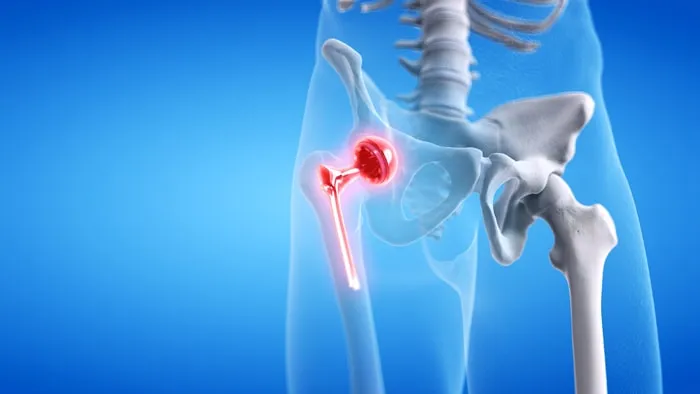
    1. Hip Replacement Surgery

    When is Hip Replacement Needed?

    A hip replacement is often recommended for:

    • Osteoarthritis

    • Rheumatoid arthritis

    • Hip fractures

    • Avascular necrosis

    Types of Hip Replacement Procedures

    • Total Hip Replacement (THR)
      Both ball and socket of the hip joint are replaced.

    • Partial Hip Replacement
      Only the ball portion is replaced, typically after fractures.

    • Minimally Invasive Hip Replacement
      Involves smaller incisions with faster recovery and less pain.

    Benefits of Hip Replacement

    • Significant pain relief

    • Improved range of motion

    • Resumption of normal activities

    • Long-lasting implants (15–20 years or more)


    2. Knee Replacement Surgery

    Who Needs Knee Replacement?

    Patients with:

    • Severe osteoarthritis

    • Post-traumatic arthritis

    • Knee deformity

    • Persistent pain and stiffness

    Types of Knee Replacement

    • Total Knee Replacement (TKR)
      Replacement of all knee components.

    • Partial Knee Replacement (Unicompartmental)
      For damage limited to one compartment of the knee.

    • Robotic / Computer-Assisted Knee Replacement
      Enhances accuracy for better alignment and longer implant life.

    Why Knee Replacement is Effective

    • Restores walking ability

    • Reduces chronic knee pain

    • Enhances overall mobility

    • Improved knee function and alignment


    3. Shoulder Replacement Surgery

    When is Shoulder Replacement Suggested?

    It is beneficial for individuals with:

    • Rotator cuff arthropathy

    • Severe shoulder arthritis

    • Complex shoulder fractures

    • Loss of shoulder strength or mobility

    Types of Shoulder Replacement Surgeries

    • Total Shoulder Replacement
      Replaces ball and socket of the joint.

    • Reverse Shoulder Replacement
      Ideal for patients with damaged rotator cuff muscles.

    • Partial Shoulder Replacement (Hemiarthroplasty)

    Benefits

    • Reduced shoulder pain

    • Increased arm movement

    • Improved strength and functionality


    Advanced Orthopedic Care at Lopmudra Meera Hospital, Swargate, Pune

    At Lopmudra Meera Multispeciality Hospital, we combine medical expertise with modern technology to deliver exceptional orthopedic outcomes.
     

    How Successful Is Joint Replacement Surgery

    Why Patients Trust Us

    1.Experienced orthopedic surgeons
    2.Evidence-based surgical protocols
    3.Minimally invasive techniques
    4.High-quality imported implants
    5.Comprehensive rehabilitation support
    6.Faster recovery programs
    7.Personalized treatment planning

    Our hospital located at 710, B-4, Chitragupt Colony, Shanti Nagar Society, Shankarseth Road, Camp-Swarget, Pune, ensures seamless access for patients across Pune city.


    Recovery & Rehabilitation After Joint Replacement

    Post-surgery rehabilitation plays a vital role in long-term success. At Lopmudra Meera Hospital, our physiotherapy team designs tailored recovery plans to help patients regain mobility quickly and safely.

    Key Elements of Rehabilitation

    • Guided physiotherapy

    • Strength-building exercises

    • Pain management

    • Assistive device training

    • Regular follow-ups

    Most patients resume routine activities within 4–12 weeks, depending on the surgery.


    When Should You Consider Joint Replacement?

    If you notice the following symptoms consistently, joint replacement may be the right solution:

    • Difficulty walking or climbing stairs

    • Persistent joint pain even at rest

    • Joint deformity

    • Restricted range of motion

    • Dependence on pain medications

    Early consultation helps prevent further damage and improves surgical outcomes.


    Frequently Asked Questions (FAQ)

    1. What is joint replacement surgery?

    Joint replacement surgery (arthroplasty) is a procedure where a damaged joint—such as the hip, knee, or shoulder—is replaced with a medical implant to reduce pain and restore mobility.

    2. How do I know if I need a hip, knee, or shoulder replacement?

    You may need joint replacement if you experience chronic pain, stiffness, difficulty walking, joint deformity, or if medication and therapy no longer provide relief. An orthopedic specialist at Lopmudra Meera Hospital can diagnose the condition using X-rays and clinical evaluation.

    3. Is joint replacement safe?

    Yes. Modern joint replacement is considered safe, with high success rates. Minimally invasive techniques, advanced implants, and sterilization protocols reduce risks significantly at Lopmudra Meera Hospital.

    4. How long does recovery take after joint replacement?

    Most patients resume basic activities within 4–6 weeks. Complete recovery may take 3–4 months, depending on the type of surgery and adherence to physiotherapy.

    5. How long does a joint implant last?

    Most hip, knee, and shoulder implants last 15–25 years, depending on activity levels and implant type.

    6. What are the benefits of choosing Lopmudra Meera Hospital for joint replacement?

    You get expert orthopedic surgeons, advanced OT setups, modern implants, personalized rehabilitation, and minimally invasive techniques—all at a centrally located Pune facility.

    7. Do you provide cashless mediclaim or insurance support?

    Yes. Lopmudra Meera Hospital assists with insurance, TPA coordination, and cashless hospitalization for eligible policies.


    Book Your Consultation Today

    If you or your loved one is experiencing chronic joint pain, arthritis symptoms, or mobility issues, the orthopedic experts at Lopmudra Meera Hospital are here to help.
     

    Complete Guide to Joint Replacement & Replacement Surgeries (Hip, Knee, Shoulder)


    Address: 710, B-4, Chitragupt Colony, Shanti Nagar Society, Shankarseth Road, Camp-Swargate, Pune, India

    Phone / WhatsApp: 8378022022 / 8379033033

    Email: contact@lopmudrahospitals.com


    Final Thoughts

    Joint replacement surgeries for the hip, knee, and shoulder have transformed the lives of millions worldwide. With advanced orthopedic care, precision technology, and an experienced team, Lopmudra Meera Hospital stands as one of Pune’s trusted centers for joint replacement and comprehensive musculoskeletal care.

  • Gallstones: Symptoms, Causes & Treatment – Lopmudra Gastroenterology Guide

    Gallstones: Symptoms, Causes & Treatment – Lopmudra Gastroenterology Guide

    Gallstones: symptoms, causes and treatment — a comprehensive guide for patients in Pune

    Gallstones are a common digestive condition that affects millions worldwide and many patients in Pune. If you’ve been searching for information on gallstone symptoms and treatment in Pune, or looking for the best general surgeon in Pune to discuss gallbladder surgery in Pune, this article explains everything you need to know in clear, patient-friendly language. At Lopmudra Hospital, Swargate, our team sees a broad range of gallbladder disorders and offers modern, minimally invasive care including laparoscopic gallbladder surgery in Pune and emergency management when needed.


    what are gallstones?

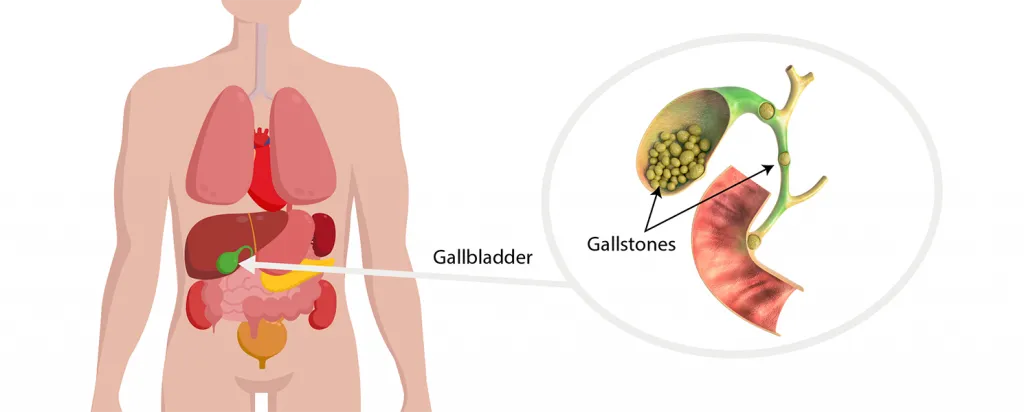
    Gallstones, medically called cholelithiasis, are hardened deposits that form in the gallbladder — a small, pear-shaped organ under the liver that stores bile. Bile helps digest fats and contains cholesterol, bile salts and bilirubin. When these substances are out of balance, crystals can form and grow into stones. There are two primary types:

    • Cholesterol stones: These are the most common in Western countries and many urban Indian populations. They form when bile contains excess cholesterol and may appear yellow-green.
    • Pigment stones: These are darker and associated with high levels of bilirubin, which can occur in chronic hemolytic conditions and certain liver diseases.

    Most gallstones remain small and asymptomatic, often discovered incidentally on ultrasound. However, stones can obstruct the cystic duct or common bile duct causing pain and complications. Understanding the difference between a silent stone and one that causes symptoms is important for deciding whether to observe or treat. In places like Pune and the Swargate area, improved diagnostic imaging (ultrasound, MRCP) has increased detection of incidental gallstones, making informed decisions with your healthcare team critical.

    Key medical terms to know include biliary colic (intermittent pain when a stone blocks a duct transiently), acute cholecystitis (infected or inflamed gallbladder), and choledocholithiasis (stones in the common bile duct). Each condition has distinct symptoms and treatment approaches that a general surgeon or hepatobiliary specialist can explain during consultation.


    symptoms of gallstones

    Symptoms of gallstones range from none at all to severe, life-threatening complications. Recognizing typical and atypical signs helps patients seek timely care. Many people in Pune experience classic symptoms that prompt evaluation at clinics like Lopmudra Hospital Swargate. Typical manifestations include:

    • Biliary colic: Sudden, intense pain in the upper right abdomen or center of the abdomen under the breastbone. Pain often starts after a fatty meal and can last from 30 minutes to several hours. The pain may radiate to the right shoulder or back.
    • Nausea and vomiting: These commonly accompany biliary pain, particularly during painful episodes.
    • Indigestion, bloating and gas: Chronic, less severe symptoms that may be mistaken for gastritis or reflux.
    • Jaundice: Yellowing of the skin and eyes if a stone blocks the bile duct. This is a red-flag symptom requiring urgent assessment and potential ERCP (endoscopic stone removal).
    • Fever and chills: Suggest infection of the gallbladder or bile ducts (acute cholecystitis or cholangitis). Fever plus jaundice and right upper quadrant pain (Charcot triad) indicate urgent evaluation.
    • Clay-coloured stools and dark urine: Signs of obstructive jaundice due to blocked bile flow.

    Importantly, up to 70–80% of gallstones are asymptomatic and require no immediate intervention. However, symptomatic stones produce intermittent or constant pain and can progress to complications such as acute cholecystitis, ascending cholangitis, or gallstone pancreatitis. In Pune, patients presenting with persistent right upper quadrant pain, fever, or jaundice are advised to seek care without delay — Lopmudra Swargate provides evaluation and urgent management including imaging and surgical consultation.

    If you experience severe, unrelenting pain, fever, yellowing of the eyes, or signs of sepsis (fast heartbeat, low blood pressure, confusion) please call emergency services or contact our centre directly at +918087122022 or WhatsApp 918379033033 for guidance and rapid triage.


    causes and risk factors for gallstones

    Gallstones develop from a combination of metabolic and structural factors that affect bile composition and gallbladder motility. Several well-established risk factors increase the likelihood of stone formation. Understanding these helps with prevention and personalised management plans, particularly for patients living in Pune where lifestyle and dietary patterns may influence risk.

    • Age and sex: Gallstones become more common with age and are more frequent in women, especially those who have had multiple pregnancies. Estrogen increases cholesterol secretion into bile, raising stone risk.
    • Obesity and metabolic syndrome: Excess body weight and metabolic disorders (insulin resistance, high triglycerides) increase cholesterol stones. Urban centers like Pune report rising metabolic syndrome prevalence, contributing to higher gallstone incidence.
    • Rapid weight loss: Crash dieting or rapid weight loss after bariatric surgery can precipitate gallstone formation due to altered bile composition.
    • Dietary factors: High-fat, high-cholesterol diets and low-fibre intake are associated with increased risk. Modifiable lifestyle choices can therefore reduce future stones.
    • Family history and genetics: Genetic predisposition plays a role — if close relatives have symptomatic gallstones, your risk is higher.
    • Certain medications and conditions: Hormone replacement therapy, oral contraceptives, and conditions that increase bilirubin (hemolysis, cirrhosis) predispose to pigment stones.

    In India, epidemiological studies suggest gallstone composition may vary regionally. For example, pigment stones are relatively more common in areas with higher rates of hemolytic disorders. In urban Pune, lifestyle-driven cholesterol stones are frequently encountered in surgical clinics. Preventive measures include maintaining a healthy weight with gradual loss if needed, balanced diets rich in fibre and moderate in healthy fats, and managing diabetes and hyperlipidemia aggressively.

    If you have several risk factors — for example, you are overweight, female, and on estrogen therapy — discuss surveillance and preventive strategies with a specialist like the best general surgeon in Pune or a hepatobiliary team at Lopmudra Hospital Swargate.


    how gallstones are diagnosed

    Diagnosis begins with clinical history and physical examination, often followed by targeted investigations. In Pune, the most commonly used and reliable initial test is an abdominal ultrasound, which is widely available, non-invasive, and sensitive for detecting stones in the gallbladder. At Lopmudra Swargate, we routinely use high-resolution ultrasonography for initial assessment.

    • Ultrasound: The first-line test. It accurately detects gallstones and gallbladder wall thickening, and can show signs of acute cholecystitis. It is inexpensive and highly accessible in Pune.
    • Blood tests: Liver function tests (bilirubin, alkaline phosphatase, ALT/AST), complete blood count and inflammatory markers help identify complications like cholangitis or pancreatitis.
    • HIDA scan (hepatobiliary iminodiacetic acid scan): Used when ultrasound is inconclusive, especially to evaluate gallbladder function or acute cholecystitis when obstruction is suspected.
    • MRCP (magnetic resonance cholangiopancreatography): Non-invasive imaging of bile ducts to detect common bile duct stones (choledocholithiasis).
    • ERCP (endoscopic retrograde cholangiopancreatography): Both diagnostic and therapeutic — used to remove stones from the common bile duct. ERCP is reserved for suspected bile duct stones or cholangitis and may be performed in specialized centres.
    • CT scan: Less sensitive for gallstones but useful when complications or alternative diagnoses are suspected.

    In many cases, a combination of ultrasound and blood tests suffices. If common bile duct stones are suspected (for example, if jaundice or abnormal liver tests are present), MRCP or ERCP may be required. Local protocols at Lopmudra Swargate follow best-practice guidelines to prioritise patient safety and minimally invasive treatment when appropriate.

    Early and accurate diagnosis is important because management differs widely: asymptomatic stones often need no surgery, while symptomatic stones or complicated cases usually require cholecystectomy or endoscopic intervention. If you’re uncertain about your symptoms, book a consultation with a general surgeon for gallstones in Swargate Pune — appointments can be scheduled online at lopmudrahospitals.com or by phone at +918087122022.


    treatment options: from watchful waiting to surgery

    Treatment is tailored to symptom severity, stone location, patient health and local resources. Options range from conservative observation to medical dissolution therapy, endoscopic approaches, and surgical removal of the gallbladder. Here is a detailed look at common approaches and indications:

    • Watchful waiting: For asymptomatic stones, no active treatment is usually required. Regular follow-up is recommended if risk factors change or symptoms develop.
    • Medical dissolution: Oral bile acids (ursodeoxycholic acid) can slowly dissolve cholesterol stones in selected patients who are poor surgical candidates or refuse surgery. This is a slow process with variable success and stones often recur.
    • Endoscopic retrograde cholangiopancreatography (ERCP): Used to remove common bile duct stones. ERCP is therapeutic rather than curative for gallbladder stones — many patients still need later cholecystectomy.
    • Surgical removal — cholecystectomy: The definitive treatment for symptomatic gallstones is cholecystectomy. The contemporary standard is laparoscopic cholecystectomy, performed through small incisions with faster recovery. Open cholecystectomy is reserved for complex cases, extensive inflammation, or where laparoscopy is unsafe.

    Choosing among these options depends on medical history, presence of complications (infection, obstructive jaundice, pancreatitis), and patient preference. Below is a clear comparison to help understand procedure differences.

    Procedure type Benefits Recovery time
    Laparoscopic cholecystectomy Minimally invasive, less postoperative pain, shorter hospital stay, faster return to activity Most return to normal activity in 1–2 weeks; full recovery 4–6 weeks
    Open cholecystectomy Better access in complex anatomy or severe inflammation 2–6 weeks in hospital recovery; 4–8 weeks to full recovery
    ERCP (endoscopic) Removes duct stones without abdominal incision; effective for cholangitis Outpatient or 1–2 days depending on complications
    Medical dissolution (ursodeoxycholic acid) Non-surgical option for small cholesterol stones Months to years; recurrence common after stopping therapy

    laparoscopic cholecystectomy: the procedure, benefits and what to expect in pune

    For most symptomatic patients in Pune, the recommended operation is laparoscopic cholecystectomy (also called lap chole). This minimally invasive procedure is widely available at leading centres including Lopmudra Hospital Swargate. It involves removal of the gallbladder through four small incisions using a camera and specialised instruments. Typical steps include general anaesthesia, abdominal insufflation with carbon dioxide, identification and clipping of the cystic duct and artery, and careful removal of the gallbladder from the liver bed.

    Benefits of a laparoscopic approach include reduced postoperative pain, smaller scars, lower risk of wound infection, shorter hospital stays and quicker return to work. In Pune, increasing numbers of surgeons are trained in advanced laparoscopy, making this approach a preferred choice for elective and many emergency cases.

    Who is a candidate?
    Most adults with symptomatic gallstones, recurrent biliary colic, or complications such as acute cholecystitis can undergo laparoscopic cholecystectomy. Patients with prior multiple abdominal surgeries, severe inflammation, coagulopathy, or unstable medical conditions may require open surgery or staged procedures. Preoperative evaluation includes blood tests, cardiopulmonary assessment, and imaging.

    At Lopmudra Swargate, perioperative care emphasises early mobilisation, multimodal pain control and patient education to speed recovery. If you are searching for the best gallbladder surgeon in Pune or for gallstone surgery in Swargate Pune, our team provides personalised consultation, clear explanation of risks and benefits, and transparent cost estimates.

    Aspect Laparoscopic cholecystectomy in Pune (typical) Open cholecystectomy (selected cases)
    Hospital stay 1–2 days 3–7 days
    Return to work 1–2 weeks (light duties) 4–6 weeks
    Cost (approximate, Pune) See cost table below Typically higher due to longer stay and resources

    costs and comparisons: gallbladder surgery in pune and swargate

    Cost is a frequent concern. Exact pricing depends on factors such as hospital class, surgeon fees, anaesthesia, length of stay, investigations, and implants if needed. Prices in Pune vary across hospitals and for different procedures (laparoscopic vs open; elective vs emergency). Lopmudra Hospital Swargate aims to provide affordable gallbladder surgery in Pune with transparent estimates and assistance for booking and queries.

    Below is a comparison table summarising typical cost ranges you may encounter in Pune and at local Swargate centres. These are approximate ranges to guide planning; please contact the hospital for exact quotations and insurance guidance.

    Procedure Typical cost in Pune (INR) Typical cost at Swargate area (INR)
    Elective laparoscopic cholecystectomy INR 40,000 – 90,000 INR 40,000 – 80,000 (lopmudra hospital swargate estimates may vary)
    Emergency laparoscopic cholecystectomy INR 60,000 – 1,20,000 INR 60,000 – 1,10,000
    Open cholecystectomy INR 70,000 – 1,50,000 INR 70,000 – 1,40,000
    ERCP (if needed for duct stones) INR 20,000 – 50,000 INR 20,000 – 45,000

    Many hospitals in Pune accept insurance; if you have health coverage, confirm pre-authorisation and inclusions. Lopmudra Swargate offers patient counselling about likely charges and helps with appointment booking. For a personalised estimate or to book appointment gallbladder surgeon in Pune, call +918087122022, WhatsApp 918379033033 or visit https://lopmudrahospitals.com/.


    emergency complications and urgent management

    Certain presentations are emergencies where prompt intervention reduces morbidity and mortality. Patients in Pune experiencing these must seek immediate care. Common emergency scenarios include:

    • Acute cholecystitis: Severe, constant right upper quadrant pain with fever and elevated white cell count. Treatment typically includes hospital admission, intravenous antibiotics, and urgent or early cholecystectomy (often laparoscopic) within 24–72 hours depending on stability.
    • Ascending cholangitis: Infection of the bile ducts presenting with fever, jaundice, and abdominal pain. This requires urgent resuscitation, antibiotics and biliary drainage — commonly achieved with ERCP. Early recognition and transfer to a centre with ERCP capability are critical.
    • Gallstone pancreatitis: When a common bile duct stone triggers inflammation of the pancreas. Management ranges from supportive care to urgent ERCP if there is ongoing obstruction or cholangitis, followed by cholecystectomy once the patient stabilises.
    • Perforation or sepsis: Rare but life-threatening complications require emergency surgery and intensive care.

    Lopmudra Hospital Swargate provides rapid assessment and coordination for urgent ERCP and surgical intervention when indicated. If you or a family member develops severe abdominal pain with fever, jaundice, or signs of sepsis, call our emergency line or present immediately. In addition to acute treatment, many patients require post-discharge follow up to plan definitive gallbladder removal to prevent recurrence.


    recovery, aftercare and lifestyle after gallbladder surgery

    Recovery expectations vary with the type of procedure. After uncomplicated laparoscopic cholecystectomy in Pune most patients go home within 24–48 hours and can resume light activities within a week. Complete recovery may take 4–6 weeks. Open surgery requires longer hospital stay and recovery. Below are practical aftercare and recovery tips to support healing and reduce complications.

    • Pain control: Expect some incisional pain and shoulder tip discomfort from gas. Pain is well-managed with oral analgesics. Avoid heavy lifting (~>5–7 kg) for 2–4 weeks based on surgeon advice.
    • Wound care: Keep incisions clean and dry. Most wounds have absorbable sutures or small adhesive strips. Report increasing redness, discharge or fever to your surgeon immediately.
    • Diet: Initially start with light, bland meals. Many patients tolerate a regular diet within a week. Some experience mild loose stools which usually settle over weeks. A balanced diet lower in saturated fats and higher in fibre supports long-term digestive health.
    • Activity: Early ambulation reduces risk of blood clots. Gradually increase activity as tolerated. Avoid strenuous exertion and heavy lifting until cleared by your surgeon.
    • Follow-up: Attend postoperative appointments for wound checks, stitch removal if needed, and review of histopathology. If ERCP was performed, confirm duct clearance and liver function test normalization.

    Complications are uncommon but possible: bile leak, infection, retained stones, or injury to bile ducts. Seeking care at experienced centres — for example, the best gallbladder surgeon in Swargate Pune at Lopmudra — reduces these risks.

    For local patients wondering about timelines: many return to desk work in 5–10 days, while physically demanding jobs may require 3–6 weeks off. If you want specific gallbladder surgery recovery tips Pune, our nursing and surgical teams provide tailored counselling during pre- and post-operative visits.


    prevention, alternatives and frequently asked questions

    Preventing gallstones focuses on managing modifiable risks and adopting healthy habits. There are also important alternatives and FAQs patients commonly ask when considering treatment in Pune or Swargate.

    • Prevention tips:
      • Maintain a healthy weight and avoid rapid weight loss. Aim for gradual, sustainable reduction if overweight.
      • Eat a balanced diet rich in fibre (fruits, vegetables, whole grains) and moderate in healthy fats (olive oil, omega-3s).
      • Manage diabetes, high cholesterol and other metabolic conditions with medical guidance.
      • Stay physically active — regular exercise is associated with lower gallstone risk.
    • Alternatives to surgery: Reserved for patients who cannot undergo anaesthesia or refuse operation. Medical dissolution with ursodeoxycholic acid may be considered for small cholesterol stones; success is limited and recurrence is common. ERCP manages duct stones but does not remove gallbladder stones.
    • Common patient questions:
      • Will I miss my gallbladder? The gallbladder stores bile but is not essential; most people have normal digestion after removal.
      • Is laparoscopic cholecystectomy safe? Yes — it is the standard of care with high safety when performed by experienced surgeons.
      • How soon can I drive? Usually within 1–2 weeks if pain is controlled and you feel comfortable.

    If you are searching for “where to get gallbladder surgery in Swargate Pune” or “lopmudra hospital swargate gallbladder surgery”, Lopmudra Hospital provides comprehensive assessment, minimally invasive surgery and postoperative support. Book a surgeon consultation for gallstones in Swargate by calling +918087122022, WhatsApp 918379033033, or booking online at https://lopmudrahospitals.com/.


    local statistics, resources and choosing a surgeon in pune

    Gallstone disease is common globally. Estimates suggest that around 10–15% of adults in Western populations develop gallstones, with symptomatic disease occurring in approximately 1–3% per year. In India, prevalence varies by region, lifestyle and access to healthcare; urban populations such as Pune report rising rates linked to sedentary lifestyle and metabolic conditions. While precise local prevalence figures for Pune fluctuate, the increasing demand for laparoscopic cholecystectomy in Pune reflects both higher detection and growing surgical capacity.

    When choosing a surgeon in Pune, consider:

    • Experience in laparoscopic and emergency biliary procedures — search for the best gallbladder surgeon in Pune with documented outcomes.
    • Access to ERCP and advanced imaging for comprehensive care.
    • Transparent communication about risks, expected recovery time and costs.
    • Local patient reviews and hospital accreditation.

    Lopmudra Hospital Swargate is positioned to deliver coordinated care for gallstone disease. We combine diagnostic imaging, endoscopy and minimally invasive surgery with compassionate patient support. For those searching “gallbladder stone removal Swargate Pune” or “laparoscopic cholecystectomy cost in Swargate Pune”, our team offers consultations that outline personalised care plans and cost estimates.


    when to see a surgeon and next steps to book care in swargate

    You should consult a surgeon if you have:

    • Recurrent biliary colic interfering with daily life.
    • Fever with right upper quadrant pain or jaundice.
    • Documented common bile duct stones.
    • Complications like pancreatitis or empyema of the gallbladder.

    For residents of Pune and surrounding neighbourhoods near Swargate, Lopmudra Hospital offers easy access, same-day imaging where available, and timely surgical scheduling. To book an appointment:

    During your visit you will receive a clinical assessment, ultrasound if indicated, and a discussion of treatment options tailored to your needs. Our team will explain likely costs, expected recovery, possible complications and any need for urgent intervention. If you require emergency care, we arrange priority evaluation and coordinate with endoscopy services for ERCP or surgical theatre access for urgent cholecystectomy.


    conclusion: making an informed choice about gallstones

    Gallstones are common but frequently manageable. Many patients in Pune live symptom-free with incidental stones, while others benefit from minimally invasive surgery that offers rapid recovery and symptom relief. Whether you seek the best general surgeon in Pune, want to learn about the cost of gallbladder surgery in Pune, or need urgent care for complicated disease, accurate diagnosis and timely specialist input are crucial. Lopmudra Hospital Swargate is equipped to evaluate, treat and support patients across the spectrum of gallbladder disease — from conservative management to laparoscopic cholecystectomy, ERCP and emergency care.

    If you have persistent symptoms, recurrent pain after meals, jaundice, or fever with abdominal pain, please seek medical evaluation. To book appointment gallbladder surgeon in Pune or to enquire about lap chole surgery cost in Pune, contact Lopmudra Hospital Swargate at +918087122022, WhatsApp 918379033033, or visit https://lopmudrahospitals.com/.

    This article was written by Dr. Raiba Deshmukh , sharing insights based on professional experience in the field. Keep it it