Blog

  • How PCOD Affects Fertility & Long-Term Health | Expert Insights by Dr. Archana Salve at Lopmudra Hospitals, Pune

    How PCOD Affects Fertility & Long-Term Health | Expert Insights by Dr. Archana Salve at Lopmudra Hospitals, Pune

    Polycystic Ovarian Disease (PCOD) is a condition that affects many women worldwide, causing a range of symptoms such as irregular periods, hormonal imbalances, weight gain, and acne. One of the most significant concerns surrounding PCOD is how it can impact fertility. If left untreated, it can also lead to long-term health complications, including diabetes, heart disease, and weight-related issues.

    In this blog, Dr. Archana Salve, Consultant & Head – OBGYN & IVF at Lopmudra Hospitals, Pune, explains how PCOD affects fertility, the long-term risks associated with this condition, and how timely treatment can make a big difference in managing your reproductive health.

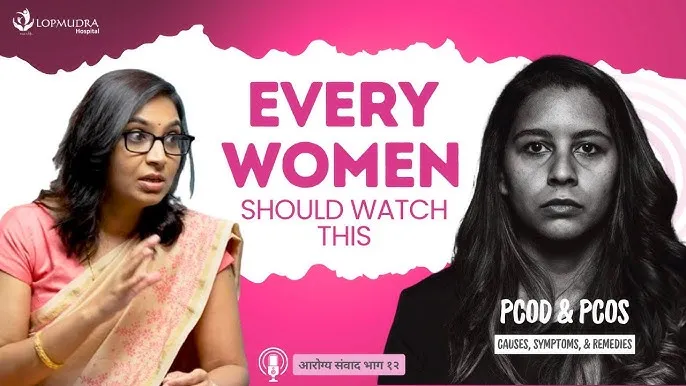
    Watch Dr. Archana Salve’s video on PCOD here

    Heart Valve Repair and Replacement: What You Need to Know at Lopmudra Meera Hospital, Pune

    What is PCOD and How Does It Affect Fertility?

    PCOD, also known as Polycystic Ovary Syndrome (PCOS), is a hormonal disorder that affects a woman’s ovaries, making it difficult for them to release eggs regularly. This is known as anovulation. When ovulation does not occur as expected, it leads to irregular or absent periods and difficulty conceiving.

    Women with PCOD often have multiple small cysts on their ovaries, leading to hormonal imbalances such as higher levels of testosterone (male hormones) and insulin resistance, which can disrupt normal ovulation. As a result, it becomes challenging to get pregnant without medical intervention.

    PCOD and Fertility: Can I Get Pregnant?

    The short answer is yes, it is possible to get pregnant with PCOD. However, it often requires timely diagnosis and treatment to manage the condition effectively.

    At Lopmudra Hospitals, we use medications and fertility treatments to help stimulate ovulation and regulate the menstrual cycle. Common treatments include:

    • Ovulation-inducing medications like Clomiphene citrate and Letrozole

    • In vitro fertilization (IVF) for women who do not respond to oral medications

    • Lifestyle changes, including diet and exercise, to improve insulin sensitivity

    In many cases, women with PCOD can successfully conceive with proper medical guidance and care.


    What Are the Long-Term Effects of PCOD?

    If left untreated, PCOD can lead to several long-term health complications. Some of the most common risks include:

    1. Increased Risk of Diabetes

    Women with PCOD are more likely to develop insulin resistance, a condition where the body becomes less responsive to insulin. This can lead to type 2 diabetes later in life.

    2. Heart Disease

    Studies have shown that women with PCOD may be at higher risk of high blood pressure and high cholesterol, which can increase the risk of heart disease.

    3. Weight-Related Issues

    PCOD often leads to weight gain, especially around the abdomen. This is due to hormonal imbalances and insulin resistance. If left unmanaged, this can further contribute to diabetes and heart disease.

    4. Endometrial Cancer

    Due to irregular periods, women with PCOD may have infrequent shedding of the uterine lining. This can increase the risk of endometrial cancer in the long term if the condition is not treated.

    5. Sleep Apnea

    PCOD can contribute to sleep apnea, especially in women who are overweight. This condition can cause disrupted sleep, leading to fatigue, headaches, and other health issues.


    How Does PCOD Affect Fertility?

    PCOD affects fertility in the following ways:

    1. Irregular Ovulation

    The lack of regular ovulation due to hormonal imbalances in PCOD is the main factor behind infertility in affected women.

    2. Hormonal Imbalances

    Higher levels of testosterone can prevent the ovaries from producing eggs regularly, which disrupts the menstrual cycle and fertility.

    3. Ovarian Cysts

    Small cysts may form on the ovaries, preventing the normal release of eggs. These cysts are non-cancerous but contribute to irregular cycles.

    4. Endometrial Lining

    Irregular periods can also cause the endometrial lining to thicken abnormally, making it harder for an embryo to implant in the uterus.


    Can PCOD Be Cured Permanently?

    Currently, PCOD cannot be cured permanently. However, the condition can be managed effectively with lifestyle changes, medications, and fertility treatments. Early intervention plays a significant role in preventing the long-term complications associated with PCOD.

    With the right treatment plan, many women with PCOD are able to manage symptoms and lead healthy, fulfilling lives.


    How to Cure PCOD Problem Permanently?

    While PCOD cannot be cured completely, its symptoms can be controlled and managed with the following:

    1. Medications:

      • Oral contraceptives to regulate periods

      • Metformin to address insulin resistance

      • Clomiphene citrate for ovulation induction

    2. Lifestyle Modifications:

      • Maintaining a healthy weight through diet and exercise

      • Reducing stress and maintaining a balanced lifestyle

      • Regular monitoring of blood sugar and cholesterol levels

    3. IVF Treatments:
      For women with severe PCOD and infertility, IVF may be an option to achieve pregnancy. Dr. Archana Salve at Lopmudra Hospitals provides comprehensive IVF services for women struggling with PCOD.


    PCOS Infertility Rate: Can You Get Pregnant?

    The infertility rate in women with PCOS varies, but with proper medical care, many women can conceive successfully. According to studies, approximately 70-80% of women with PCOD respond well to fertility treatments like Clomiphene or Letrozole.


    Frequently Asked Questions

    1. What are the long-term effects of PCOD?

    If left untreated, PCOD can increase the risk of diabetes, heart disease, weight issues, endometrial cancer, and sleep apnea.

    2. How does PCOD affect fertility?

    PCOD affects fertility by causing irregular ovulation, hormonal imbalances, and the formation of ovarian cysts, which make it harder to conceive.

    3. Can I get pregnant if I had PCOD?

    Yes, many women with PCOD can conceive with medications, lifestyle changes, and sometimes IVF treatments, depending on the severity of the condition.

    4. Can PCOD be cured permanently?

    PCOD cannot be cured permanently, but its symptoms can be managed through medications, lifestyle changes, and fertility treatments.

    5. How to cure PCOD problem permanently?

    While there is no permanent cure, PCOD can be managed with medications, dietary changes, and regular physical activity. In some cases, IVF is also an option for those struggling with infertility.

    6. What is the PCOS infertility rate?

    The infertility rate in women with PCOS is high, but with proper treatment, about 70-80% of women can conceive with medications like Clomiphene and Letrozole.


    Why Choose Lopmudra Hospitals for PCOD Treatment?

    At Lopmudra Hospitals, our dedicated OBGYN & IVF Centre provides comprehensive care for women dealing with PCOD. Dr. Archana Salve, a leading consultant in OBGYN and IVF, brings years of expertise in managing fertility issues related to PCOD and other reproductive health concerns.

    We offer:

    • Personalized treatment plans for PCOD and infertility

    • IVF services for women struggling with conception

    • Comprehensive fertility evaluations and consultations

    • Compassionate care for women at every stage of life


    Book a Consultation with Dr. Archana Salve

    If you are concerned about PCOD or fertility issues, don’t wait to get help. Early treatment can prevent complications and improve your chances of pregnancy.

    To book an appointment with Dr. Archana Salve at Lopmudra Hospitals, Pune, please contact us:

    📞 Phone / WhatsApp: +91 83780 22022 | +91 83790 33033
    📧 Email: contact@lopmudrahospitals.com
    🌐 Website: Visit lopmudrahospitals.com for more information

    Take charge of your reproductive health today!

    chat with us
  • Heart Valve Repair and Replacement: What You Need to Know at Lopmudra Meera Hospital, Pune

    Heart Valve Repair and Replacement: What You Need to Know at Lopmudra Meera Hospital, Pune

    Heart valve problems can severely affect your quality of life and put your health at risk. When heart valves become damaged due to disease or aging, they can cause issues like difficulty breathing, fatigue, and even life-threatening conditions. At Lopmudra Meera Hospital, Pune, we offer expert care for heart valve repair and replacement to help you return to a healthy, active life.

    Heart Valve Repair and Replacement: What You Need to Know at Lopmudra Meera Hospital, Pune

    In this comprehensive guide, we’ll answer the most important questions you might have about heart valve surgery, including:

    • What is heart valve repair and replacement?

    • When do you need a heart valve replacement?

    • The cost of heart valve surgery in Pune

    • What to expect during and after the procedure

    • Success rates and outcomes

    • FAQs including recovery time and the best hospital options in Pune

    What is Heart Valve Repair and Replacement?

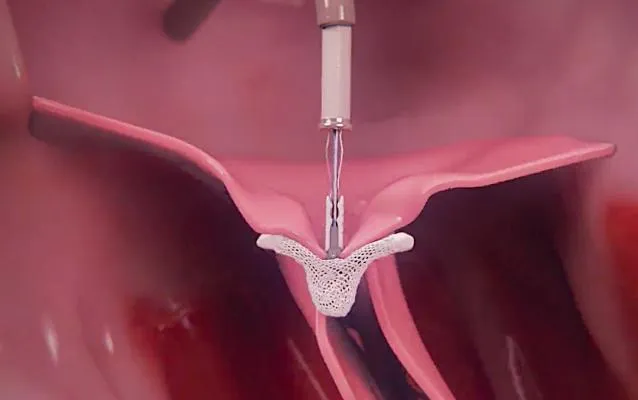
    Heart valve surgery is performed when one or more valves in your heart are not functioning correctly. The four heart valves (aortic, mitral, tricuspid, and pulmonary) control blood flow in and out of the heart chambers. If these valves become narrowed (stenosis), leaky (regurgitation), or damaged, they can disrupt the heart’s ability to pump blood efficiently, leading to heart failure, chest pain, or other serious conditions.

    Heart Valve Repair

    • Repair is the preferred option when feasible, as it preserves the patient’s natural valve. It involves reconstructing or reshaping the valve to improve its function.

    • Advantages: Shorter recovery time, no need for lifelong blood thinners, and fewer complications in the long run.

    • Best for: Mitral and tricuspid valves with issues like prolapse or regurgitation.

    Heart Valve Replacement

    • Replacement is necessary when the valve cannot be repaired. A prosthetic valve (mechanical or biological) is inserted to replace the damaged valve.

    • Mechanical valves are long-lasting but require lifelong use of blood thinners.

    • Biological valves are made from animal tissue and do not require long-term blood thinners, but they may need to be replaced after 10–15 years.

    • Best for: Severe aortic stenosis, advanced mitral regurgitation, or cases where repair isn’t feasible.

    At Lopmudra Meera Hospital, our team of experienced cardiac surgeons performs both valve repair and replacement surgeries using state-of-the-art technology and minimally invasive techniques when appropriate.


    When Do You Need Heart Valve Repair or Replacement?

     Heart Valve Repair or Replacement

    You may need heart valve surgery if you experience symptoms such as:

    • Shortness of breath or difficulty breathing

    • Fatigue or tiredness

    • Swelling in the feet, ankles, or abdomen

    • Chest pain or discomfort

    • Fainting or lightheadedness

    • Rapid or irregular heartbeat

    Common conditions that may require heart valve surgery include:

    1. Aortic stenosis – a narrowing of the aortic valve that restricts blood flow to the body

    2. Mitral regurgitation – when the mitral valve leaks, causing blood to flow backward into the heart

    3. Mitral valve prolapse – when the mitral valve doesn’t close properly, leading to regurgitation

    4. Endocarditis – infection of the heart valves

    5. Rheumatic heart disease – damage to the valves from a previous infection

    If left untreated, these conditions can lead to severe complications, including heart failure, stroke, or even death.


    Cost of Heart Valve Repair and Replacement in Pune

    One of the most common questions patients ask is:
    “How much does heart valve replacement surgery cost in Pune?”

    The cost of heart valve surgery can vary depending on the complexity of the procedure, the type of valve used (mechanical or biological), and the hospital you choose. Factors that influence the cost include:

    • Type of surgery (open heart surgery vs. minimally invasive)

    • Type of valve replacement (biological vs. mechanical)

    • Length of hospital stay and post-operative care

    • Pre-operative tests and diagnostic evaluations

    • Surgeon’s fees and medical team charges

    At Lopmudra Meera Hospital, we strive to provide transparent pricing and affordable heart valve surgery options. Our dedicated team will discuss all financial aspects with you, including insurance coverage and payment plans, to ensure you receive the care you need without unnecessary financial burden.


    What to Expect During Heart Valve Surgery at Lopmudra Meera Hospital

    1. Pre-Surgery Preparation

    Before the surgery, you will undergo a series of tests, including:

    • Echocardiogram – To assess valve function

    • CT scan or MRI – To check the heart’s size, blood flow, and surrounding structures

    • Blood tests – To check for any underlying issues

    2. The Surgery

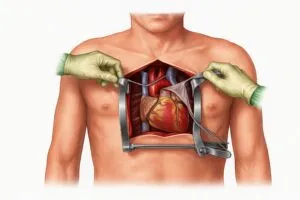
    Depending on the type of surgery (open heart vs. minimally invasive), your surgeon will either make a large incision in your chest or use smaller incisions. The heart will be stopped temporarily while a heart-lung machine takes over the blood circulation. The surgeon will then repair or replace the damaged valve.

    3. Post-Surgery Care

    After surgery, you’ll be moved to the ICU for monitoring. You can expect:

    • Pain management

    • Regular monitoring of vital signs (heart rate, blood pressure, oxygen levels)

    • Gradual return to normal activities, with a rehabilitation program tailored to your needs


    Success Rates and Outcomes

    Heart valve surgery, when performed at experienced cardiac centers like Lopmudra Meera Hospital, has high success rates. Some factors that influence the outcomes include:

    • Age and overall health

    • Type of valve used

    • Pre-existing medical conditions (e.g., diabetes, high blood pressure, or kidney disease)

    • The surgeon’s experience and the hospital’s infrastructure

    In general, survival rates for valve replacement surgery are excellent, and most patients experience significant improvement in symptoms and quality of life post-surgery.


    Frequently Asked Questions

    1. How much does it cost to have a heart valve replaced?

    The cost of heart valve replacement surgery can vary widely depending on the hospital, type of surgery, and whether you’re getting a mechanical or biological valve. At Lopmudra Meera Hospital, we offer competitive pricing and will provide a detailed breakdown of costs based on your individual needs. Please contact us directly for a personalized estimate.

    2. What is the best hospital for valve replacement in Pune?

    When choosing a hospital for heart valve replacement, it’s important to consider factors like:

    • Surgeon expertise and experience

    • Technology and infrastructure

    • Post-operative care and rehabilitation

    Lopmudra Meera Hospital offers top-tier cardiac care, with experienced surgeons and a comprehensive approach to heart valve surgery. Our patients benefit from the latest surgical techniques and compassionate care.

    3. Can you live 20 years after mitral valve repair?

    Yes, many patients who undergo mitral valve repair live 20+ years or longer after surgery, especially if they maintain a heart-healthy lifestyle and follow their cardiologist’s recommendations for medication, diet, and exercise.

    4. Which is better, heart valve replacement or repair?

    Repair is usually preferred when feasible, as it preserves your natural valve, avoiding the need for lifelong blood thinners (if using a mechanical valve). However, in cases where repair is not possible due to severe damage, replacement becomes the best option for improving symptoms and quality of life.

    5. Best hospital for bypass surgery in Pune

    If you’re also considering bypass surgery, Lopmudra Meera Hospital offers comprehensive cardiac care, including both heart valve replacement and bypass surgeries. We are known for our high success rates, advanced surgical techniques, and patient-centered care.


    Why Choose Lopmudra Meera Hospital for Heart Valve Surgery?

    At Lopmudra Meera Hospital, we are committed to providing:

    • Comprehensive heart care from experienced cardiologists and cardiac surgeons

    • State-of-the-art equipment and modern surgical techniques

    • Personalized treatment plans for each patient

    • Compassionate care throughout the entire treatment and recovery process

    Whether you need valve repair, replacement, or other heart surgeries, our dedicated team is here to guide you through every step of the process.


    How to Book a Consultation

    Ready to take the next step toward a healthy heart? Contact us today to schedule a consultation:

    Our team will help you understand your options and provide the care you deserve.

    chat with us
  • Open Heart Surgery Risks vs Benefits: A Clear, Honest Guide for Patients in Swargate, Pune

    Open Heart Surgery Risks vs Benefits: A Clear, Honest Guide for Patients in Swargate, Pune

    Open Heart Surgery: An Honest, Calm Conversation

    Hearing the words “you may need open heart surgery” can be scary. Many patients and families in Swargate, Camp, and across Pune immediately worry about risk, survival, and what life will look like after the operation.

    At Lopmudra Meera Hospital, Camp–Swargate, Pune, our goal is to give you clear, honest, evidence-based information so you can make an informed decision with your heart specialist. This article explains:

    • Who benefits most from open heart surgery

    • Key risks and how doctors work to reduce them

    • Success rates and outcomes – what really influences results

    • Essential questions to ask your heart surgeon before saying yes

    Comprehensive heart surgery in Swargate: Expert Pediatricians at Lopmudra Meera Hospital COPD

    What Is Open Heart Surgery?

    Open heart surgery” usually means an operation where:

    • The chest bone (sternum) is opened

    • The heart is accessed directly

    • In many procedures, a heart–lung machine temporarily takes over pumping so surgeons can work safely on the heart

    Common open-heart procedures include:

    • Coronary Artery Bypass Grafting (CABG) – “bypass surgery” for blocked heart arteries

    • Heart valve repair or replacement – for leaking or narrowed valves (aortic, mitral, etc.)

    • Surgery for congenital (birth) heart defects

    • Surgery for aneurysms or aortic disease

    • Some procedures for advanced heart failure

    Today, less-invasive options like angioplasty, stents, TAVI and keyhole/minimally invasive surgery are available for selected patients, but for many conditions, open surgery is still the safest, most durable option.


    Who Benefits Most from Open Heart Surgery?

    Your cardiologist may discuss open heart surgery if one or more of the following apply.

    1. Severe Artery Blockages (Coronary Artery Disease)

    You may benefit from bypass surgery (CABG) if:

    • You have multiple or critical blockages in the heart arteries

    • Symptoms like chest pain or breathlessness persist despite medicines and stents

    • The left main artery or multiple major vessels are involved

    • You’ve had repeated angioplasty and blockages keep coming back

    Possible benefits include fewer angina episodes, better exercise capacity, and lower risk of heart attack in selected groups.

    2. Significant Heart Valve Disease

    You may need valve repair or replacement if you have:

    • Severe aortic stenosis (narrowed valve)

    • Severe mitral regurgitation (leaking valve) or stenosis

    • Valve damage from rheumatic heart disease

    • Symptoms such as breathlessness, swelling, fainting, or chest pain

    Correcting valve disease can improve pumping efficiency, reduce heart failure symptoms, and improve long-term survival.

    3. Selected Heart Failure Cases

    Open heart surgery (bypass or valve surgery) may be recommended if:

    • Heart failure is due to severe blockages or valve disease that can be corrected

    • Medicines and devices alone are not enough

    In carefully chosen patients, surgery can lead to better symptoms, fewer hospital admissions, and improved survival.

    4. Congenital Heart Defects & Structural Problems

    For some birth defects or structural issues (holes in the heart, abnormal blood vessel connections, etc.), open heart surgery may be the only definitive treatment to prevent long-term damage.


    Benefits of Open Heart Surgery – What You Can Reasonably Expect

    While every case is different, open heart surgery can offer major benefits:

    • Relief from symptoms
      – Less chest pain, breathlessness, fatigue

    • Better heart function
      – Improved pumping ability and circulation

    • Lower risk of heart attack and cardiac events (in selected coronary artery disease patients)

    • Improved quality of life
      – More energy for work, family, and daily activities

    • Longer survival
      – Especially in people with high-risk coronary artery disease or advanced valve disease

    These benefits depend heavily on your overall health, the type of surgery, and how well you follow medications and rehabilitation afterwards.


    Key Risks of Open Heart Surgery – And How Doctors Reduce Them

    No major surgery is risk-free. The aim is not to hide risk, but to understand it and reduce it as much as possible.

    1. Infection

    Possible issues:

    • Wound infection at the chest or leg (bypass graft site)

    • Rarely, deeper infections involving bone or heart structures

    What doctors do to reduce it:

    • Strict sterile operation theatre protocols

    • Antibiotics before and after surgery

    • Blood sugar control in diabetics

    • Regular wound checks and proper dressing care

    2. Bleeding & Need for Transfusion

    Possible issues:

    • Bleeding during or after surgery

    • Sometimes need for blood transfusion or a second operation

    What doctors do to reduce it:

    • Meticulous surgical technique

    • Stopping or adjusting blood thinners in advance when safe

    • Blood-conserving strategies during surgery

    • Close monitoring in ICU and early treatment if bleeding occurs

    3. Stroke & Blood Clots

    Possible issues:

    • Clots can travel to the brain or lungs, causing stroke or breathlessness

    What doctors do to reduce it:

    • Careful handling of major blood vessels

    • Blood thinners when appropriate

    • Control of blood pressure and heart rhythm

    • Early mobilisation after surgery

    4. Irregular Heart Rhythms (Arrhythmias)

    Possible issues:

    • Common after surgery, especially atrial fibrillation

    • Can cause palpitations, fatigue or increased stroke risk

    What doctors do to reduce it:

    • Continuous heart monitoring in ICU

    • Medicines to control rate or rhythm

    • Blood thinners where indicated

    • Most arrhythmias are temporary and settle with treatment

    5. Lung, Kidney or Other Organ Problems

    Possible issues:

    • Temporary breathing issues or pneumonia

    • Worsening of kidney function, especially in those with prior kidney disease

    • Rarely, problems with other organs

    What doctors do to reduce it:

    • Pre-operative assessment of lungs and kidneys

    • Optimising blood pressure, diabetes and other conditions before surgery

    • Gentle fluid and medicine management in ICU

    • Breathing exercises, chest physiotherapy and early walking

    6. Risk of Death

    This is the most worrying but most openly discussed risk.

    • For many planned (elective) CABG or valve surgeries in otherwise stable patients, short-term mortality is often in the low single digits (around a few percent or less, depending on risk profile).

    • Risk is higher in emergencies, re-do surgeries, very elderly patients, or those with multiple serious illnesses.

    Your team will usually calculate an individual risk score and discuss it with you in simple language so you understand your personal risk, not just averages.


    Success Rates & Outcomes: What Really Affects Results?

    “What are my chances of a good outcome, given my health and type of surgery?”

    Key factors include:

    1. Age

    • Younger patients usually recover faster and have lower risk

    • Well-selected older patients (even over 70) can do very well, but risk is slightly higher and recovery may be slower

    2. Other Health Conditions

    • Diabetes, high blood pressure, high cholesterol

    • Kidney disease or lung disease (COPD, asthma)

    • Previous stroke or peripheral artery disease

    These don’t automatically rule out surgery but do increase risk and require careful optimisation before the operation.

    3. Lifestyle Factors

    • Smoking increases the risk of lung infection, slow healing and complications

    • Obesity, poor diet and lack of exercise affect both recovery and long-term heart health

    Quitting smoking, improving diet and regular walking before and after surgery can significantly improve outcomes.

    4. Emergency vs Planned Surgery

    • Planned (elective) surgery has better outcomes because doctors have time to optimise your condition

    • Emergency surgery (during or soon after a heart attack, or for a life-threatening complication) carries a higher risk but may be life-saving

    5. Quality of Post-Operative Care & Rehabilitation

    • Early mobilisation, chest physiotherapy, infection prevention and cardiac rehab strongly influence recovery

    • Patients who take medicines regularly, attend follow-ups and adopt heart-healthy habits generally live longer and feel better after surgery.


    How to Book an Appointment at Lopmudra Meera Hospital

    Booking a heart consultation is simple:


    Open Heart Surgery Risks vs Benefits – FAQs

    1. Is open heart surgery always the “last resort”?

    Not always. For some conditions (like severe left-main coronary disease or advanced valve narrowing), surgery is actually the standard, most effective treatment, not just a last resort. For other patients, doctors may try medicines and less-invasive options first, where safe.


    2. What is the usual success rate of open heart surgery?

    Success rates are generally high in well-equipped centres, especially for planned CABG and valve surgeries in otherwise stable patients. Many patients experience:

    • Low operative risk (often a few percent or less in elective cases, depending on individual risk)

    • Significant relief of symptoms

    • Good long-term survival when combined with lifestyle changes and proper follow-up

    Your individual risk, however, may be higher or lower and should always be discussed with your own doctor.


    3. Are there patients who should not have open heart surgery?

    Yes. Surgery may be considered too risky if:

    • Heart function is extremely poor and unlikely to improve

    • There are multiple severe illnesses (advanced lung, kidney, brain disease, or cancer)

    • Frailty is very high

    In such cases, doctors may recommend medical therapy, palliative care, or minimally invasive options, depending on the situation.


    4. How long does it take to recover from open heart surgery?

    Typical timelines (which vary per person):

    • ICU stay: about 1–2 days (longer if complex)

    • Total hospital stay: usually 5–10 days

    • Back to light activity: around 4–6 weeks

    • More complete recovery: around 3 months

    Your surgeon and rehab team will give you a personalised recovery plan.


    5. Can I live a normal life after open heart surgery?

    Many patients return to a full, active life, including work, travel and exercise, after recovering from open heart surgery. The key is to:

    • Quit smoking

    • Control diabetes, blood pressure and cholesterol

    • Follow a heart-healthy diet

    • Exercise regularly as advised by your doctor

    chat with us
  • Comprehensive Pediatric Care in Swargate: Expert Pediatricians at Lopmudra Meera Hospital

    Comprehensive Pediatric Care in Swargate: Expert Pediatricians at Lopmudra Meera Hospital

    Comprehensive Pediatric Care in Swargate: Expert Pediatricians at Lopmudra Meera Hospital COPD

    Ensuring the health and well-being of your child is one of the most important responsibilities for any parent. Pediatric care plays a crucial role in guiding the development of your child and addressing any medical concerns that may arise during their growth. If you’re looking for comprehensive pediatric care in Swargate, Lopmudra Meera Hospital is here to provide expert pediatric services for children of all ages.

    Located in Swargate, Pune, Lopmudra Meera Hospital’s pediatric department offers exceptional care from highly experienced pediatricians. Our team is dedicated to ensuring the physical, emotional, and developmental well-being of infants, toddlers, children, and teens.

    Comprehensive Pediatric Care in Swargate: Expert Pediatricians at Lopmudra Meera Hospital COPD


    When Should You Consult a Pediatrician?

    As a parent, it can sometimes be challenging to know when to seek expert advice for your child. Regular check-ups are essential for monitoring your child’s growth, vaccination status, and development milestones. However, you should also consult a pediatrician if you notice any of the following:

    • Unusual behavior or changes in your child’s activity level

    • Developmental delays in motor skills, speech, or social development

    • Persistent high fever that doesn’t respond to medication

    • Frequent vomiting or trouble keeping food down

    • Unexplained rashes, itching, or skin conditions

    • Chronic cough, breathing difficulties, or wheezing

    • Changes in eating or sleeping patterns, indicating discomfort or illness

    At Lopmudra Meera Hospital, we understand that early intervention is key. If your child exhibits any of these symptoms, our expert pediatricians are here to provide thorough evaluations, accurate diagnoses, and effective treatments to ensure your child remains healthy.


    Comprehensive Pediatric Services at Lopmudra Meera Hospital

    At Lopmudra Meera Hospital, we offer a wide range of pediatric services designed to address the diverse healthcare needs of children:
     

     paediatric clinic in pune

    1. Newborn & Infant Care

    • Regular check-ups for newborns

    • Monitoring of growth and development

    • Vaccinations according to national immunization schedules

    • Counseling on infant nutrition and breastfeeding

    2. Childhood Illnesses & Infections

    • Diagnosis and treatment for common childhood infections (fever, cough, cold, etc.)

    • Management of chronic conditions such as asthma, eczema, and allergies

    • Specialized care for viral, bacterial, and fungal infections

    3. Growth & Developmental Monitoring

    • Regular assessments of developmental milestones

    • Nutritional counseling to support healthy growth

    • Addressing speech, motor, or behavioral delays early on

    • Screening for autism, ADHD, and other neurodevelopmental disorders

    4. Vaccinations & Immunizations

    • Comprehensive vaccination plans to ensure immunity against common and serious diseases

    • Timely immunizations based on the latest guidelines

    • Travel vaccines and guidance for parents traveling abroad

    5. Nutritional Support & Weight Management

    • Expert advice on healthy eating habits for children

    • Management of obesity and undernutrition

    • Counseling for special dietary needs (allergies, lactose intolerance, etc.)

    6. Pediatric Emergencies & Critical Care

    • Emergency care for trauma, injuries, and accidents

    • Pediatric intensive care unit (PICU) for critical conditions

    • Management of medical emergencies like dehydration, severe infections, or breathing difficulties

    7. Adolescent Health Care

    • Addressing puberty and growth changes

    • Guidance on mental health, body image, and emotional well-being

    • Sexual health and reproductive health counseling

    Our team of experienced pediatricians and healthcare professionals at Lopmudra Meera Hospital, Swargate, is fully equipped to handle a broad spectrum of pediatric conditions. Whether it’s an emergency, a routine check-up, or developmental concerns, we provide compassionate, high-quality care every step of the way.


    The Importance of Regular Pediatric Check-ups

    Pediatric care isn’t just about treating illness—regular check-ups are crucial for maintaining long-term health. These visits allow pediatricians to monitor growth patterns, ensure vaccinations are up to date, and track developmental milestones. Early detection of potential health issues can prevent more serious conditions from developing later.

    At Lopmudra Meera Hospital, we emphasize the importance of routine pediatric check-ups to ensure your child is on the right track for a healthy future. Regular visits can:

    • Help identify growth or developmental issues early on

    • Monitor the effectiveness of any ongoing treatments

    • Provide updates on vaccinations

    • Offer advice on parenting, nutrition, and child safety


    Pediatric Care for All Ages at Lopmudra Meera Hospital

    Our pediatric care services cater to children of all ages:

    • Infants: We provide personalized care for newborns, including regular growth monitoring, feeding advice, and early intervention for common health issues.

    • Toddlers: At this stage, we focus on ensuring your toddler is meeting key developmental milestones and keeping track of vaccinations.

    • School-Age Children: We monitor physical, emotional, and cognitive development, while also addressing any common childhood illnesses and injuries.

    • Adolescents: As children approach their teenage years, we offer care tailored to their unique needs, including mental health counseling, vaccinations, and support during puberty.

    By providing pediatric care across all stages of a child’s life, we ensure your child’s health is consistently monitored and supported.


    Why Choose Lopmudra Meera Hospital for Pediatric Care?

    Choosing the right pediatrician is one of the most important decisions you’ll make as a parent. Here’s why Lopmudra Meera Hospital, Swargate, is the trusted choice for families in Pune:

    1. Experienced Pediatricians

    • Our pediatricians are highly qualified and experienced in managing a wide range of childhood health conditions.

    • They are passionate about providing compassionate, child-friendly care that prioritizes the well-being of your child.

    2. Comprehensive Services

    • We offer holistic care that encompasses everything from routine check-ups to specialized treatments for chronic conditions.

    • Our hospital is equipped with modern medical technology to diagnose and treat pediatric conditions efficiently.

    3. Child-Friendly Environment

    • Our pediatric care area is designed to make children feel comfortable and safe during visits.

    • We understand that hospital visits can be stressful for kids, and we take every step to ensure a calm, child-friendly experience.

    4. Convenient Location in Swargate

    • Lopmudra Meera Hospital is centrally located on Shankarseth Road, Swargate, making it easily accessible to families in the area.

    • Our facility offers easy appointment scheduling, emergency care, and follow-up support for pediatric patients.

    5. Comprehensive Support for Parents

    • We provide parents with guidance on nutrition, vaccinations, developmental milestones, and common childhood health concerns.

    • We take a proactive approach to pediatric care, ensuring parents have the resources and support they need for their child’s health.


    How to Book a Pediatric Consultation at Lopmudra Meera Hospital?

    Booking an appointment with our expert pediatricians is easy. Here’s how you can get in touch:

    • Call: +91 83780 22022 | +91 83790 33033

    • WhatsApp: Reach out via the same numbers for appointment queries and instant updates

    • Email: contact@lopmudrahospitals.com

    • Online Consultation: Visit our website to fill out an appointment request form

    Our team is ready to assist you in scheduling a consultation, answering any questions, and providing you with the best care for your child.


    FAQs About Pediatric Care in Swargate, Pune

    1. What age range does pediatric care cover?

    Pediatric care generally covers children from birth to 18 years. At Lopmudra Meera Hospital, we provide tailored services for newborns, infants, toddlers, school-age children, and adolescents.

    2. How often should I take my child for a pediatric check-up?

    For infants and young children, check-ups are recommended every 6 months to 1 year. As children grow older, annual visits are usually sufficient, but additional visits may be needed based on health concerns.

    3. Do I need to schedule a pediatric consultation for minor issues?

    If your child has minor symptoms that persist for more than a few days, it’s advisable to consult a pediatrician. It’s always better to get a professional opinion to rule out any underlying issues.

    4. What should I bring to my child’s first pediatric appointment?

    Bring your child’s medical history, any immunization records, and recent health reports if available. This helps the pediatrician understand your child’s health background.


    Conclusion

    When it comes to your child’s health, there’s no room for compromise. Choosing Lopmudra Meera Hospital in Swargate, Pune, for comprehensive pediatric care ensures that your child receives the best care possible. Our experienced pediatricians and child-friendly facilities are here to support your child’s health from infancy to adolescence.

    To schedule an appointment or get more information, feel free to call us at +91 83780 22022 | +91 83790 33033, or email us at contact@lopmudrahospitals.com.
    chat with us

    Your child’s health is our priority, and we’re here to ensure they grow up happy, healthy, and thriving.

  • Best Hospital for Asthma & COPD Treatment in Swargate, Pune – Complete Guide to Lopmudra Meera Hospital

    Best Hospital for Asthma & COPD Treatment in Swargate, Pune – Complete Guide to Lopmudra Meera Hospital

    Best Hospital for Asthma & COPD in Swargate, Pune

    If you or a family member is struggling with breathlessness, chronic cough or wheezing and you live around Camp–Swargate, Pune, you need quick access to a trusted lung specialist.

    Lopmudra Meera Hospital, located on Shankarseth Road, Camp–Swargate, Pune, offers dedicated Pulmonology (Chest & Lung) services for patients with asthma, COPD and other respiratory diseases. The department is staffed with experienced pulmonologists and supported by modern facilities to deliver advanced, personalised lung care.
    Lopmudra Meera Hospital –Best Hospital for Asthma & COPD in Swargate, Pune–Swargat

    Why patients in Swargate choose Lopmudra Meera Hospital for asthma & COPD:

    • Experienced pulmonology specialists focused on asthma, COPD and allergy-related problems

    • Comprehensive lung evaluation with appropriate tests and imaging (as advised by the specialist)

    • Evidence-based treatment plans using inhalers, medicines and pulmonary rehabilitation

    • Support for smoking cessation, vaccination advice and lifestyle counselling

    • 24×7 hospital setup for acute breathing emergencies

    • Convenient location for patients coming from Swargate, Camp, Mukund Nagar, Bibwewadi, Dhankawadi and nearby areas.


    Asthma & COPD – Understanding the Basics

    What is Asthma?

    Asthma is a chronic condition where the airways in your lungs become inflamed and narrow, making breathing difficult. Symptoms often come and go and may be triggered by dust, smoke, pollution, infections, exercise or weather changes.

    Common symptoms:

    • Wheezing (whistling sound from chest)

    • Shortness of breath

    • Chest tightness

    • Cough, especially at night or early morning

    Long-term control usually involves inhaled corticosteroids and other controller medicines, which reduce airway inflammation and lower the risk of severe attacks.

    What is COPD?

    Chronic Obstructive Pulmonary Disease (COPD) is a long-term lung disease, usually caused by smoking, biomass fuel exposure or long-term pollution, where airways and air sacs are damaged and blocked. It includes conditions like chronic bronchitis and emphysema.

    Typical symptoms:

    • Long-standing cough with phlegm

    • Progressive shortness of breath, especially while walking or climbing stairs

    • Frequent chest infections or “flare-ups”

    • Feeling tired or breathless even with small tasks

    COPD cannot be fully cured, but quitting smoking, using prescribed inhalers (bronchodilators ± inhaled steroids), pulmonary rehabilitation, vaccines and oxygen therapy (in select patients) can significantly improve quality of life.

    When Should You See a Pulmonologist in Swargate?

    Book an appointment with a lung specialist at Lopmudra Meera Hospital if you notice:

    • Breathlessness that is new, worsening or limiting daily activities

    • Recurrent coughing, especially more than 3 months a year

    • Wheezing or noisy breathing

    • Chest tightness or heaviness

    • Frequent chest infections or repeated antibiotics

    • Dependence on cough syrups without relief

    • History of smoking with increasing breathlessness

    Emergency care is needed immediately if:

    • You are struggling to speak in full sentences due to breathlessness

    • Lips or fingertips appear bluish

    • You feel confused, extremely drowsy or dizzy

    • You have sudden, severe chest pain with breathlessness

    In such cases, rush to the nearest emergency, ideally a facility like Lopmudra Meera Hospital, Camp–Swargate, which has a multi-speciality setup and pulmonology support.

    Asthma & COPD Services at Lopmudra Meera Hospital, Swargate

    While exact services are personalised to each patient, the Pulmonology Department at Lopmudra Meera generally offers:

    1. Specialist Pulmonology OPD

      • Detailed consultation for asthma, COPD, allergies, chronic cough, bronchitis and sleep-related breathing issues

      • Review of previous reports and medications

      • Treatment optimisation and inhaler technique counselling

    2. Respiratory Diagnostics & Monitoring
      Your pulmonologist may advise appropriate investigations such as:

      • Pulmonary function tests (spirometry) – to measure lung capacity and airflow

      • Chest X-ray / CT chest – to assess lung structure and rule out other conditions

      • Oxygen saturation monitoring and arterial blood gases in select cases

      • Allergy testing or blood tests where relevant

      These help confirm diagnosis, stage disease severity and track response to treatment.

    3. Personalised Asthma Management
      For asthma patients, treatment plans may include:

      • Reliever inhalers (short-acting bronchodilators) for quick relief of acute symptoms

      • Controller inhalers (inhaled corticosteroids ± long-acting bronchodilators) for long-term control

      • Written asthma action plans – what to do when symptoms worsen

      • Trigger management: dust, smoke, pets, sudden weather changes, viral infections

      • Guidance on safe exercise, use of spacers, nebulisers and peak flow meters

    4. Comprehensive COPD Care
      For COPD patients, the focus is on slowing disease progression and improving daily function, with:

      • Strong support for smoking cessation, the most effective way to slow COPD progression

      • Inhaled bronchodilators and inhaled corticosteroids where appropriate

      • Vaccination advice (flu, pneumonia etc.) to prevent severe infections

      • Pulmonary rehabilitation referral – supervised exercise, breathing exercises and education programmes to improve stamina

      • Oxygen therapy assessment in advanced cases

    5. Inpatient & ICU Care
      For serious exacerbations of asthma or COPD, pneumonia or respiratory failure, the hospital’s multi-speciality setup allows:

      • Admission under pulmonology / medicine

      • Oxygen support and non-invasive ventilation (BiPAP/CPAP), as indicated

      • Monitoring for heart and other organ functions

      • Step-down care and discharge planning

    What Makes Lopmudra Meera Hospital the Best Choice for Asthma & COPD in Swargate?

    1. Lung-Focused Expertise in a Family Hospital Setting
      You get access to trained pulmonologists with special interest in asthma, COPD and complex chest diseases, within a hospital that also houses other key specialities – ideal for patients with diabetes, heart disease or other comorbidities.

    2. Advanced Pulmonology Care in Swargate
      Lopmudra Hospitals emphasise advanced pulmonology care to help you breathe more easily, combining modern diagnostic tools with updated treatment protocols.

    3. Individualised Treatment, Not “One-Size-Fits-All”
      Asthma and COPD are different in every patient. Plans are tailored to:

      • Age (children, adults, seniors)

      • Lifestyle and occupation

      • Severity of disease

      • Existing illnesses and medications

    4. Strong Focus on Education & Self-Management
      Patients and families are educated on:

      • Correct inhaler and nebuliser technique

      • Recognising early warning signs

      • What to do during sudden attacks

      • Avoiding common triggers at home and workplace

    5. Easy Access for Swargate & Central Pune
      Located on Shankarseth Road, Camp–Swargate, the hospital is easily accessible from:

      • Swargate bus stand & upcoming metro station

      • Camp, Mukund Nagar, Bibwewadi, Dhankawadi, Parvati and surrounding areas

    Living Better With Asthma & COPD – Lifestyle Guidance

    Medical treatment is essential, but your daily habits also strongly influence control:

    • Quit smoking completely – this is the single most important step for COPD and significantly helps asthma too.

    • Reduce exposure to dust, strong perfumes, incense, mosquito coils and indoor smoke.

    • Keep your home well-ventilated; use exhaust fans while cooking.

    • Maintain a healthy weight and follow an activity plan approved by your doctor.

    • Take your medicines regularly, even when you feel better – especially controller inhalers.

    • Get timely flu and pneumonia vaccines if recommended.

    • Keep regular follow-up appointments with your pulmonologist to adjust doses and monitor lung function.

    How to Book an Appointment at Lopmudra Meera Hospital, Swargate

    Booking a consultation with a pulmonologist in Swargate is simple:

    • Call: +91 83780 22022 / +91 83790 33033

    • WhatsApp: Use the same numbers for quick queries & slots

    • Email: contact@lopmudrahospitals.com

    • Website: Visit lopmudrahospitals.com and fill in the enquiry / contact form

    You can ask for:

    • New patient asthma / COPD consultation

    • Second opinion for persistent or uncontrolled symptoms

    • Follow-up review and inhaler optimisation

    • Guidance for senior citizens or high-risk patients

    FAQs – Asthma & COPD Treatment in Swargate, Pune

    1. Is asthma curable?

      Asthma is usually not completely curable, but it is highly controllable. With the right combination of inhalers, trigger control and regular follow-up, most patients can live active, normal lives with minimal symptoms.

    2. Can COPD be reversed?

      COPD causes permanent damage to the lungs, so it cannot be fully reversed. However, quitting smoking, using prescribed inhalers regularly, exercising and attending pulmonary rehabilitation can slow progression and improve quality of life.

    3. Are inhalers addictive?

      No. Inhalers are not addictive. They deliver medicine directly to the lungs, often at lower doses than tablets, and are considered safe when used as prescribed. Long-term controller inhalers are essential for preventing attacks in many asthma and COPD patients.

    4. Do I need to be admitted for every asthma or COPD flare-up?

      Not always. Many mild to moderate flare-ups can be managed with increased inhaler use and short courses of additional medicines, under your pulmonologist’s guidance. Severe flare-ups with marked breathlessness or low oxygen may need emergency care and hospital admission – which Lopmudra Meera Hospital can provide.

    5. Can children with asthma be treated at Lopmudra Meera Hospital?

      Yes. Children with recurrent cough, wheeze or suspected asthma can be evaluated by the pulmonology team in coordination with paediatric care (where required). Treatment focuses on safe long-term control, growth monitoring and parent education, in line with paediatric asthma guidelines.

    6. Does the hospital help with quitting smoking?

      Your pulmonologist and the medical team can provide counselling, medications and practical strategies to help you stop smoking – one of the most powerful steps to protect your lungs, especially in COPD.

    Final Word

    If you are searching for the best hospital for asthma and COPD treatment in Swargate, Pune, you need a centre that combines expert pulmonologists, modern facilities and compassionate, honest care.

    Lopmudra Meera Hospital, Camp–Swargate is well-positioned to support you through every stage of your lung health journey – from early diagnosis and inhaler training to long-term follow-up and emergency support.
    chat with us

    For any concerns about breathing, chronic cough or chest discomfort, you can reach us at:
    +91 83780 22022 / +91 83790 33033 | contact@lopmudrahospitals.com