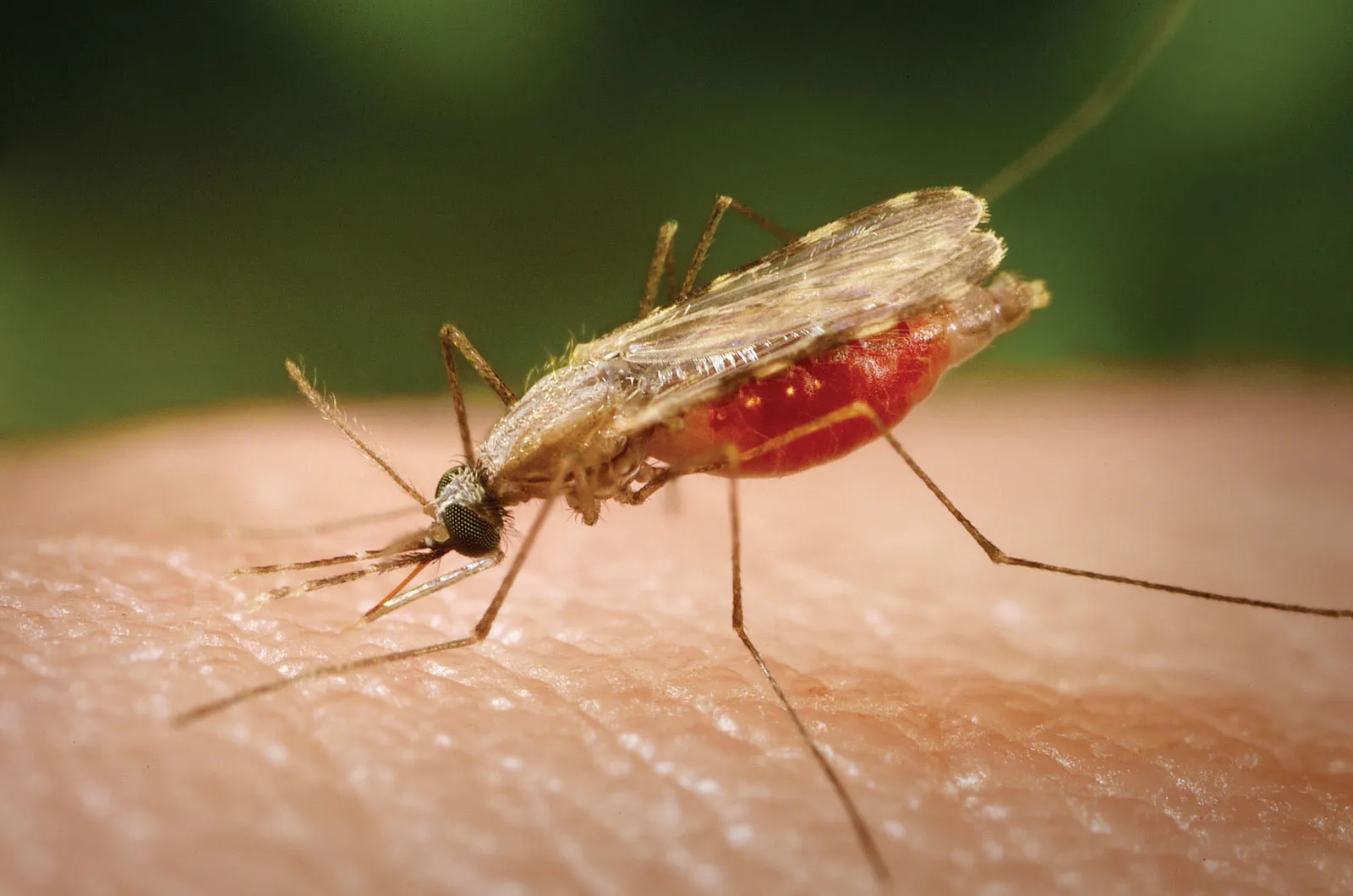
Fighting malaria: prevention, awareness, and treatment
Malaria is a life-threatening disease caused by parasites transmitted to humans through the bites of infected mosquitoes. According to the World Health Organization, malaria caused approximately 229 million cases and 409,000 deaths globally in 2019. While the disease is preventable and treatable, it remains a significant public health concern in many tropical and subtropical regions, including some parts of India. This blog aims to enhance understanding and awareness about malaria, focusing on key prevention strategies and discussing effective treatment options. We also highlight the supportive structures in place at Lopmudra Hospital Pashan, Pune, for managing malaria cases.

ı Understanding malaria: causes and transmission
Malaria is primarily caused by five types of Plasmodium parasites, with P. falciparum and P. vivax being the most prevalent in India. The disease spreads when a person is bitten by a female Anopheles mosquito carrying the parasite. Upon entering the human bloodstream, the parasites travel to the liver, mature, and re-enter the bloodstream to infect red blood cells. The cycle of infection and reinfection causes the characteristic symptoms of malaria.
Malaria transmission is influenced by several factors, including climatic conditions that favor the breeding of mosquitoes, such as temperature, humidity, and rainfall. Socio-economic factors, such as poverty and access to health care, also significantly impact the incidence of the disease. Here in Pune, the monsoon season is a critical time to be vigilant, given the increase in mosquito populations.
ı Recognizing malaria symptoms and identifying cases
Early detection of malaria is paramount to effective treatment and management. Common symptoms include:
- Fever and chills: These typically occur in cycles, lasting for several hours and are often associated with sweating.
- Headache and muscle pain: These can often be severe and persistent.
- Nausea and vomiting: These symptoms can lead to dehydration if not managed properly.
- Fatigue and malaise: General feelings of weakness and tiredness that accompany the other symptoms.
In severe cases, malaria can cause complications such as cerebral malaria, anemia, respiratory distress, or organ failure. It is crucial to seek medical attention if you suspect malaria, particularly during and after the monsoon season in Pune. At Lopmudra Hospital Pashan, our expert medical team can perform a malaria blood test in Pune to confirm the diagnosis and start appropriate treatment promptly.
.webp)
ı Preventing malaria: strategies and tools
Prevention is the cornerstone of fighting malaria. Effective strategies include:
- Using mosquito nets: Sleeping under insecticide-treated nets can significantly reduce malaria transmission.
- Indoor residual spraying: This involves spraying insecticides on walls and other surfaces to kill mosquitoes.
- Environmental management: Efforts to reduce mosquito breeding sites, such as proper waste disposal and drainage of stagnant water, are essential.
- Antimalarial drugs: Prophylactic medications are available for people traveling to high-risk areas and those living in endemic regions.
In Pune, we encourage our community to participate actively in malaria prevention activities. At Lopmudra Hospital Pashan, we offer guidance on preventive measures and distribute informative materials to enhance community awareness.
ı Treating malaria: options and guidelines
The treatment of malaria depends on several factors, including the severity of the disease, the species of the parasite, and the patient’s age and health. Common treatment methods include:
| Type of Malaria | Treatment | Recovery Time |
|---|---|---|
| P. falciparum (uncomplicated) | Artemisinin-based combination therapies (ACTs) | Typically 3 days |
| P. vivax (uncomplicated) | Chloroquine followed by primaquine* | Approximately 14 days |
| Severe Malaria | Intravenous artesunate, followed by ACTs | Variable, dependent on severity |
*Primaquine is used to reduce the relapse by targeting dormant liver stages.
Consulting with the best general physician in Pune is crucial for effective treatment. Our team at Lopmudra Hospital Pashan offers specialized malaria treatment in Pune to manage both uncomplicated and severe cases skillfully.
ı The role of Lopmudra Hospital Pashan in fighting malaria
As a leading healthcare institution, Lopmudra Hospital plays a crucial role in battling malaria in Pune. Our facility is equipped with modern diagnostic tools, including rapid diagnostic tests and advanced blood tests to confirm malaria efficiently. Our commitment to providing high-quality care ensures that patients receive accurate diagnoses and effective treatments.
We recognize the importance of community education and regularly conduct awareness programs to educate residents about mosquito control and malaria prevention techniques. Our experienced team collaborates with local health authorities and community leaders to extend our reach and impact.
ı Our expert team of general physicians at Lopmudra Hospital, Pune
At the heart of our fight against malaria is our dedicated team of medical professionals. Our best general physicians in Pune possess extensive clinical experience and specialized training in infectious diseases, including malaria. Their expertise allows them to design personalized treatment plans that cater to the unique needs of each patient.
Lopmudra Hospital Pashan upholds the highest standards of healthcare, continually integrating the latest research findings and treatment protocols. Our general medicine department remains an integral part of our success in combating diseases like malaria, emphasizing diligent care and patient education.
ı Contact us
If you suspect malaria symptoms or wish to learn more about our services, do not hesitate to reach out. Located at Vishwakarma Nagar, near NIV Pashan, our hospital is easily accessible to residents in nearby areas of Sus Rd and Pune. For appointments, please call us at +918087122022 or use our website for booking. For inquiries, you can also contact us via WhatsApp at 918379033033.
We are committed to serving our community with excellence and compassion, ensuring the best outcomes for health and well-being. Join us at Lopmudra Hospital as we continue our efforts in the fight against malaria and other infectious diseases.

Leave a Reply