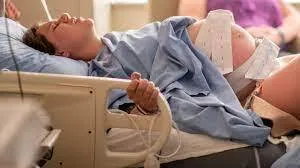
Cesarean Delivery: Overview, Preparation, Technique
Cesarean delivery, commonly known as C-section, is a surgical procedure used to deliver a baby through an incision made in the mother’s abdomen and uterus. It serves as an alternative to vaginal birth, particularly in situations where vaginal delivery would pose risks to either the mother or the baby. This comprehensive guide aims to provide a detailed overview of cesarean delivery, its preparation, the technique involved, and what mothers can expect post-operation. At Lopmudra Hospital Chain, we strive to ensure that every mother receives the highest quality of care during this critical time in their lives.
What is Cesarean Delivery?
Cesarean delivery is indicated in various scenarios, such as when the baby’s position is breech, in cases of multiple pregnancies, or when there’s a previous cesarean scar that might complicate a vaginal delivery. It’s also performed if there is fetal distress, maternal health issues, or other complications that render vaginal birth unsafe.
With an estimated global rate of about 21% of all births occurring via cesarean delivery, it is crucial to understand that this method is not only safe but also increasingly common in modern obstetric practice. However, the decision to go forward with a C-section is made by a healthcare provider on a case-by-case basis. Here at Lopmudra Hospital Chain, we employ a team of specialists who ensure that informed decisions are made for safe childbirth practices.
When is a Cesarean Delivery Necessary?
There are several reasons why a cesarean delivery may be the preferred option:
-
Breech Presentation: If the baby is positioned feet-first or in a sideways position, a cesarean may be necessary to avoid complications.
-
Fetal Distress: If the baby shows signs of distress during labor, a quick cesarean can minimize risks.
-
Health Conditions: Conditions such as high blood pressure or infections can lead to a recommendation for a C-section.
-
Multiple Pregnancies: Women expecting twins or multiples typically find cesarean delivery to be safer.
-
Previous Cesarean: Women who have had previous C-sections might be at risk during a vaginal delivery, requiring surgical intervention.
Understanding these factors is key to making informed decisions regarding childbirth options. At our hospital located in Pune, we believe it is important for expectant mothers to thoroughly discuss their birthing plans and delivery options with their healthcare provider to ensure the best outcomes for both mother and child.
Preparing for a Cesarean Delivery
Preparation for a cesarean delivery involves several steps that are crucial to ensure the safety of both the mother and the baby. At Lopmudra Hospital Chain, we advise mothers to take the following preparatory steps:
-
Medical Evaluation: Prior to surgery, expectant mothers will undergo a thorough medical evaluation, including routine blood tests and fetal monitoring.
-
Discussing Goals and Concerns: Women are encouraged to discuss their birth preferences and any concerns with their obstetrician to align on outcomes and expectations.
-
Plan for Support: Arranging for support after surgery is integral as recovery usually requires assistance at home.
-
Nutrition and Hydration: Following any dietary instructions established by the medical team, such as fasting before surgery, is crucial for a successful operation.
These preparatory steps help to guide mothers through what can be a daunting experience, empowering them to feel informed and ready for the journey ahead.
The Technique of Cesarean Delivery
The actual procedure of a cesarean delivery typically involves the following steps:
-
Anesthesia: Most cesarean deliveries are performed with regional anesthesia, such as a spinal or epidural block, that numbs the lower half of the body, allowing the mother to remain awake during the surgery.
-
Incision: The surgeon makes an incision in the abdomen and uterus. The most common incision is a horizontal (bikini line) cut, which is less visible post-surgery.
-
Delivery: The baby is then delivered through this incision, and the healthcare provider may need to assist the baby’s transition to breathing.
-
Placenta Removal: Once the baby is delivered, the placenta is removed and the uterus is examined for any complications.
-
Closure: After ensuring all is well, the surgeon will close the incisions with sutures, typically using absorbable stitches.
Each cesarean procedure is tailored to the individual patient’s needs and circumstances. At Lopmudra Hospital Chain, our expert team ensures that every part of the procedure is executed with care and precision, demonstrating respect for both the mother’s and the baby’s well-being.
Recovery After Cesarean Delivery
Recovery from a cesarean delivery usually takes longer than recovery from a vaginal birth. Here’s what to expect:
-
Hospital Stay: Mothers typically stay in the hospital for about 3 to 4 days after surgery, depending on their health status and recovery progress.
-
Pain Management: Post-operative pain management is crucial. The healthcare team prescribes medications to manage discomfort.
-
Activity Level: It’s normal to feel tired and to have restricted activities for several weeks. Gentle movement is encouraged to aid in recovery.
-
Follow-Up Appointments: A follow-up visit will be scheduled to monitor the healing process and to address any concerns that may arise.
Emotional aspects should not be overlooked. Many new mothers may experience a wide range of feelings after delivery, so support from family, friends, and healthcare providers is important. At Lopmudra Hospital Chain, we recognize the complexities surrounding emotional well-being during recovery, and are committed to providing compassionate support during this time.
Potential Risks and Complications
Like any surgical procedure, cesarean delivery carries some risks and potential complications. These may include:
-
Infection: The surgical site can become infected, necessitating further medical intervention.
-
Hemorrhage: There is a risk of heavy bleeding, which may require blood transfusions or additional surgery.
-
Blood Clots: The risk of developing blood clots in the legs or pelvic area is increased post-surgery.
-
Subsequent Pregnancies: Women who’ve had a C-section are at higher risk for complications in future pregnancies and deliveries.
Discussing these risks with healthcare providers is essential for establishing realistic expectations and creating a safety net for the individual journey of motherhood.
Emotional Well-Being: A Key Component
The emotional aftermath of cesarean delivery should never be underestimated. It’s important for new mothers to be aware of potential feelings of sadness, anxiety, or overwhelm. Here are some ways to support emotional well-being during recovery:
-
Open Communication: Sharing feelings and concerns with loved ones can alleviate stress and foster emotional support.
-
Professional Help: If feelings of postpartum depression emerge, seeking assistance from mental health professionals is crucial.
-
Self-Care: Taking time for oneself, whether through restful activities or practice of mindfulness, can enhance recovery.
At Lopmudra Hospital Chain, we are dedicated to supporting mothers not just in physical recovery but in nurturing their emotional health, recognizing that motherhood is an incredible transformation filled with unique challenges.
Conclusion: Making Informed Decisions
In conclusion, understanding cesarean delivery—from its overview and preparation to the technique itself—is essential for expectant mothers. Being informed empowers women to make decisions that align with their health needs and birth plans. At the Lopmudra Hospital Chain, we prioritize patient education and encourage discussions about all available options.
For those seeking the best gynecologist in Pune or a top maternity hospital, our compassionate team is here to guide and support you every step of the way. Remember, whether you opt for cesarean delivery or vaginal birth, the ultimate goal is the safe arrival of your little one.
This article was written by Dr. Archana Salve, sharing insights based on professional experience in the field.
Leave a Reply