Category: Uncategorized

  • C-Section Recovery: When Is It Safe to Start Exercising After 6 Months? Lopmudra Hospital Insights

    C-Section Recovery: When Is It Safe to Start Exercising After 6 Months? Lopmudra Hospital Insights

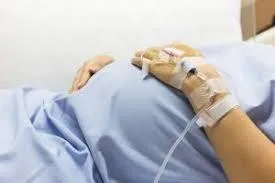
    I Had A C-Section 6 Months Ago: Should I Exercise Now?


    Having a C-section, or cesarean delivery, is a significant surgical procedure that involves delivering a baby through incisions made in the abdomen and uterus. Postpartum recovery is a crucial phase, especially for new mothers who may be eager to return to their pre-pregnancy fitness level. If you had a C-section six months ago and are considering exercising, this blog will provide a comprehensive overview of when, how, and why you should approach postpartum exercise post-surgery. Our goal at Lopmudra Hospital Chain is to help women maximize their postpartum recovery safely and effectively.


    Understanding C-Section Recovery

    Recovery from a C-section can take longer compared to a vaginal delivery due to the surgical nature of the procedure. Generally, full recovery can take anywhere from six weeks to several months depending on individual health factors and the complexity of the surgery. The following are some critical aspects to consider regarding your recovery:

    • Physical Healing: Typically, the first few weeks post-surgery are focused on listening to your body. It’s normal to experience pain around the incision site, and adequate rest is essential. Many women progress gradually from light activities to more intense workouts.
    • Hormonal Changes: Postpartum hormone fluctuations can affect your endurance and affect your mood. Understanding that these changes are normal can help ease some anxiety about exercise.
    • Consult Your Doctor: Before commencing any exercise regime, it’s crucial to consult with your healthcare provider. They can provide valuable insights based on your unique case to ensure safety.

    At Lopmudra Hospital, we specialize in postpartum recovery plans tailored to individual needs, offering guidance and support through this critical phase.


    When Is It Safe to Start Exercising?

    Many experts recommend that new mothers can generally start light exercises around six to eight weeks post-surgery. However, this timeframe can vary based on your unique recovery. Here are some signs that indicate it may be safe for you to exercise:

    • Clearance from Your Doctor: Always wait for your healthcare provider’s approval before starting any exercise program. They will confirm whether your incision is healing properly and if your body is ready.
    • Absence of Pain: If you’re no longer experiencing significant pain in your incision or pelvic region, it can be a good indicator that your body is ready to engage in light exercises.
    • Improved Mobility: If you can move around your home comfortably without assistance, it might be a sign that you’re ready to start gently exercising.

    Always remember that the key is to start slow and gradually build up the intensity and duration of your workouts. Your body has undergone significant changes, and it requires time to adapt.


    Types of Exercises to Consider

    Begin your postpartum fitness journey with low-impact activities suitable for healing mothers. Here are some effective exercise types to integrate into your routine:

    • Walking: This is one of the easiest ways to ease back into fitness. Start with short distances and gradually increase as your stamina improves.
    • Pelvic Floor Exercises: These exercises can help strengthen your pelvic muscles, improving overall core strength. Kegel exercises are particularly beneficial.
    • Gentle Yoga or Pilates: Focus on postpartum classes that emphasize core strength and flexibility without overwhelming your body.
    • Bodyweight Exercises: Simple exercises like squats, lunges, and modified push-ups can be effective once you feel physically capable.

    Remember to listen to your body. If an exercise doesn’t feel right, don’t push through the pain. At Lopmudra Hospital, we encourage a balanced approach toward postpartum fitness, ensuring that you stay motivated without compromising your healing process.


    Avoiding Common Exercise Pitfalls

    Many new mothers may succumb to common pitfalls that can hinder their recovery or lead to injury. Avoid these mistakes to enhance your postpartum fitness journey:

    • Skipping Warm-Up: Always start with a warm-up to prepare your body for exercise. Skipping this step can lead to injuries.
    • Trying Too Much, Too Soon: It can be tempting to push yourself, especially if you see others returning to their fitness quickly. Remember, you need time to regain your strength.
    • Ignoring Pain Signals: Distinguishing between normal post-exercise soreness and sharp pain is crucial. Never ignore persistent pain; consult your doctor if this occurs.
    • Neglecting Nutrition: Adequate nutrition plays a vital role in recovery. Maintain a balanced diet to support your energy levels and overall health.

    Paying attention to these pitfalls will not only help you maintain your health but also improve your experience with postpartum fitness. Our team at Lopmudra Hospital provides structured postpartum fitness programs that guide mothers through healthy practices.


    Benefits of Exercising After C-Section

    Engaging in regular exercise after a C-section can offer a wide range of physical and mental health benefits. Here are some of the most notable advantages:

    • Improved Mood: Regular physical activity can help alleviate symptoms of postpartum depression and anxiety by releasing endorphins.
    • Enhanced Strength and Stamina: Tailored exercises can gradually strengthen your core, pelvic floor, and overall body, making everyday tasks easier.
    • Better Sleep: Many mothers find that regular exercise positively impacts their sleep patterns, contributing to overall well-being.
    • Weight Management: A steady return to exercise helps manage postpartum weight gain effectively, encouraging a healthy lifestyle.

    At Lopmudra Hospital, we focus on incorporating these benefits into our postpartum fitness guidance to help you transition smoothly into a healthier lifestyle.


    Consulting with Experts

    Each woman’s recovery experience is unique, which is why personalized guidance is vital. Consulting with experts, such as gynecologists who specialize in postpartum recovery, can provide tailored advice based on your individual needs. Here’s how to go about it:

    • Find a Specialist: Look for qualified gynecologists experienced in postpartum care in your area. At Lopmudra Hospital, we boast a dedicated team ready to help you navigate through recovery, including specialized maternity fitness programs.
    • Ask Questions: Make a list of questions you may have about C-section recovery, diet, and exercise. Don’t hesitate to voice your concerns during visits.
    • Follow-Up Appointments: Keep regular appointments with your gynecologist to monitor your recovery and adjust your exercise plan as needed.

    Your health and well-being are priority at Lopmudra Hospital, and we are here to support you every step of the way.


    Building A Sustainable Fitness Routine

    After establishing a safe baseline for exercise, it’s essential to create a sustainable fitness routine that you can maintain. Here’s how to build an effective regimen:

    • Set Realistic Goals: Setting achievable goals will keep you motivated. Start small, like walking for 15-20 minutes, and gradually increase as you build strength.
    • Incorporate Variety: Include a mix of activities in your routine to prevent boredom. This can include walking, strength training, yoga, or social activities like joining a postpartum fitness class.
    • Schedule Workouts: Treat your workouts like appointments in your calendar. Scheduling your exercise can help make it a non-negotiable part of your day.
    • Join Support Groups: Interacting with other mothers can be beneficial. Sharing experiences and challenges creates a supportive community.

    Sustainability is vital for any fitness regime, and it can be achieved through dedication and community support. At Lopmudra Hospital, we recommend joining our community-based fitness classes to help you stay on track.


    Conclusion

    Deciding to exercise six months after a C-section is a significant step toward regaining your physical health and mental well-being. Ensure you allow your body the necessary time to recover while gradually introducing exercise into your routine. Additionally, consulting with healthcare professionals at Lopmudra Hospital can offer the guidance needed for a successful postpartum fitness journey. Our commitment is to ensure that every new mother receives the best care possible, promoting a healthy recovery through every stage.

    This article was written by Dr. Archana Salve, sharing insights based on professional experience in the field.

  • Is Normal Delivery Safe for Diabetic Pregnant Women? Insights from Lopmudra Hospital Speciality Care

    Is Normal Delivery Safe for Diabetic Pregnant Women? Insights from Lopmudra Hospital Speciality Care

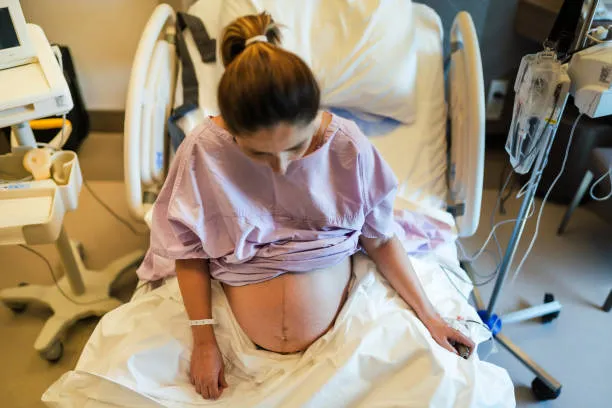
    Is Normal Delivery Safe for a Diabetic Patient?


    Pregnancy is a joyous milestone for many women, but when faced with conditions such as diabetes, it can raise concerns about the safety of normal delivery. At Lopmudra Hospital Chain, we understand the implications of managing diabetes throughout pregnancy and the desire to ensure the safest delivery option. In this article, we will explore the considerations, risks, benefits, and management strategies associated with normal delivery in diabetic patients.


    Understanding Diabetes in Pregnancy

    Diabetes during pregnancy can either be pre-existing, known as pregestational diabetes, or can develop during the pregnancy itself, termed gestational diabetes. According to the World Health Organization, it’s estimated that around 18% of deliveries worldwide are affected by some form of diabetes.

    Women with diabetes often have specific considerations to keep in mind during their pregnancies, including monitoring blood sugar levels closely, maintaining a healthy diet, and attending regular prenatal check-ups. The type of diabetes can also influence the approach to delivery.

    • Pregestational Diabetes: Women with pre-existing diabetes prior to conception must manage their blood sugar levels effectively throughout pregnancy to minimize complications.
    • Gestational Diabetes: This form of diabetes typically develops in the second or third trimester and often resolves after childbirth, but it necessitates careful monitoring to ensure the health of both the mother and baby.

    With proper management, normal delivery can be a safe option for women with diabetes. Skilled obstetric teams at Lopmudra Hospital assist in tailoring care plans for pregnant women with diabetes, ensuring safety remains the top priority.


    Risks Associated with Diabetes in Pregnancy

    Women with diabetes face higher risks during pregnancy compared to those without. While many women can have healthy pregnancies and deliveries, it is essential to be aware of the potential risks, including:

    • Macrosomia: Elevated blood sugar levels can lead to larger-than-normal babies, potentially complicating delivery.
    • Preterm Birth: Diabetes can increase the likelihood of preterm labor, necessitating earlier than expected deliveries.
    • Preeclampsia: Diabetic women have a higher risk for developing this serious condition characterized by high blood pressure and potential organ failure.
    • Cesarean Delivery: Due to complications such as macrosomia, women with diabetes are often at an elevated risk of requiring cesarean deliveries.

    Continuous monitoring and proper healthcare support greatly reduce these risks. Our team at Lopmudra Hospital in Pune focuses on personalized care to address these specific needs effectively.


    Assessing the Safety of Normal Delivery

    Normal delivery is often considered a safe option for many diabetic women when their pregnancy is well managed. Here are critical factors that influence its safety:

    • Control of Blood Sugar Levels: Maintaining blood glucose levels within the target range is crucial. Uncontrolled diabetes can lead to complications for both the mother and child.
    • Monitoring Fetal Growth: Regular ultrasounds to monitor the baby’s growth can help assess the risk of macrosomia.
    • Medical History: Previous pregnancy complications may influence delivery planning.
    • Timely Interventions: If complications arise, the healthcare team needs to be ready to implement timely interventions to ensure safety.

    Each case should be evaluated individually, and women are encouraged to discuss their specific circumstances with their healthcare provider to determine the best delivery method. At Lopmudra Hospital, our experts help assess the parameters for a safe normal delivery.


    Benefits of Normal Delivery for Diabetic Patients

    While managing diabetes presents challenges, opting for a normal delivery can provide various benefits, including:

    • Faster Recovery: Women who deliver vaginally often experience a quicker recovery period than those who undergo surgical cesarean sections.
    • Shorter Hospital Stay: Normal deliveries generally require shorter hospital stays, promoting a swifter return to everyday life.
    • Lower Risk of Surgical Complications: Avoiding surgery mitigates the risks associated with anesthesia and surgical recovery.
    • Better Psychological Outcomes: Many women feel empowered by the experience of delivering vaginally, which can have positive mental health implications.

    At Lopmudra Hospital in Pune, we prioritize the health and well-being of both mother and child, ensuring a supportive environment for normal deliveries even in the presence of diabetes.


    Preparing for Normal Delivery: Steps for Diabetic Patients

    Preparing for a successful normal delivery as a diabetic patient involves several important steps. Key preparations include:

    • Comprehensive Prenatal Care: Regular appointments with a healthcare provider will continuously monitor both maternal and fetal health, modify care plans as needed, and provide regular glucose monitoring.
    • Diet and Nutrition: A balanced diet, tailored by a registered dietitian, can help manage blood sugar levels effectively.
    • Physical Activity: Engaging in appropriate exercise can keep blood glucose levels in check and promote a healthier pregnancy.
    • Birth Plan Development: Discussing the birth plan and preferences with the healthcare team helps prepare for delivery.

    Each diabetic patient’s preparation for normal delivery is unique and should be guided by medical professionals. At Lopmudra Hospital, our maternity services are designed to support diabetic patients with comprehensive guidelines and resources.


    Monitoring and Safety Measures in Maternity Hospitals

    Ensuring the safety of diabetic patients during labor and delivery is a top priority. Various monitoring and safety measures take place at maternity hospitals, including:

    • Continuous Glucose Monitoring: Medical teams ensure glucose levels are monitored continuously during labor to prevent spikes or drops in blood sugar.
    • Fetal Heart Rate Monitoring: Monitoring fetal heart rate patterns helps identify potential distress or problems during labor.
    • Emergency Preparedness: Maternity hospitals, such as Lopmudra Hospital in Pune, are equipped to respond promptly to complications, offering specialists on-site as needed.

    The safety and comfort of both mother and baby are paramount, and we employ various protocols to provide the highest level of care.


    Conclusion: The Path Forward for Diabetic Patients

    Normal delivery can be a safe and effective option for diabetic patients when properly managed and monitored. With medical advancements and proactive care at facilities like Lopmudra Hospital, we help ensure that pregnant women with diabetes can experience natural childbirth whenever possible. Individualized care plans, nutritional guidance, and continuous monitoring are essential to a successful delivery experience.

    If you’re considering normal delivery while managing diabetes, we encourage you to contact our experienced team at +918087122022. Our specialists are dedicated to providing comprehensive, patient-centered maternity services in Pune. Your safety and that of your baby is our utmost concern.

    This article was written by Dr. Archana Salve, sharing insights based on professional experience in the field.

  • Understanding Caesarean Sections: Debunking Myths and Presenting Facts at Lopmudra Hospital

    Understanding Caesarean Sections: Debunking Myths and Presenting Facts at Lopmudra Hospital

    Caesarean Section: Myths and Facts


    When it comes to childbirth, many expectant mothers and families often have a myriad of questions surrounding delivery methods, particularly regarding cesarean sections (C-sections). At Lopmudra Hospital Chain, we aim to provide clarity on this key aspect of maternity care. This blog will explore common myths and facts surrounding C-sections, empowering you with accurate information to ease your concerns and help you make informed decisions about your maternity care.


    What is a Caesarean Section?

    A caesarean section, commonly referred to as a C-section, is a surgical procedure used to deliver a baby through incisions made in the mother’s abdomen and uterus. This method is typically performed when a vaginal delivery would pose a risk to the mother or the baby due to certain complications or conditions, such as:

    • The baby is in a breech position.
    • The mother has health complications like high blood pressure or heart issues.
    • Your baby exhibits signs of distress during labor.
    • The labor isn’t progressing despite adequate contractions.
    • Multiple births (twins or more).

    The procedure generally takes about 45 minutes to an hour and is performed under regional anesthesia, allowing the mother to be awake during childbirth while minimizing discomfort. Understanding this process is vital, especially for patients seeking the best maternity hospital in Pune, where they can rely on the expertise of qualified obstetricians like those at Lopmudra Hospitals.


    Common Myths About Caesarean Sections

    It is essential to debunk the myths surrounding C-sections, as misinformation can lead to anxiety and misconceptions. Let’s address some prevalent myths associated with Caesarean sections:

    • Myth 1: C-sections are always scheduled.

      Fact: While some C-sections are planned, many are emergency procedures dictated by unforeseen complications during labor.

    • Myth 2: C-sections are easier and safer than vaginal deliveries.

      Fact: While C-sections are necessary in certain situations, they are major surgeries and come with risks such as bleeding, infection, and longer recovery compared to vaginal births.

    • Myth 3: Future pregnancies will always require a C-section.

      Fact: Many women who have had a prior C-section may still opt for vaginal birth in subsequent pregnancies, depending on individual circumstances. This is known as vaginal birth after cesarean (VBAC).

    • Myth 4: C-sections are without pain.

      Fact: After the procedure, mothers typically experience pain and discomfort at the incision site, requiring adequate pain management.

    Recognizing the truth helps in making informed choices regarding your birth plan. The professionals at Lopmudra Hospitals strive to ensure that mothers are educated and prepared for childbirth, whether by C-section or vaginal delivery.


    Facts About Caesarean Sections

    Evidence and research highlight important facts about C-sections that reinforce the role they play in maternal and neonatal health. Here are several critical points to consider:

    • Higher safety for certain conditions: In cases such as placental abruption or fetal distress, a C-section can potentially save lives, making it a necessary action rather than a preference.

    • Prevalence: According to the World Health Organization (WHO), the ideal C-section rate for a population is between 10-15%. In India, the rates are reportedly around 17-20% in urban settings, such as in Pune.

    • Recovery time: Although C-sections require more time for physical recovery than vaginal births, advances in surgical techniques have improved recovery speeds for mothers. Typically, hospital stays last 3-4 days, compared to a day or two for vaginal births.

    • Breastfeeding support: Women who are guided adequately can still establish successful breastfeeding, even after a C-section. Support and education from healthcare teams can aid in this transition.

    It is imperative to understand the science behind C-sections. At Lopmudra Hospitals, our experienced gynecologists ensure mothers receive personalized care reflective of their specific needs and conditions.


    Caesarean Sections: When Are They Necessary?

    There are specific circumstances where a Caesarean section is warranted. Some common scenarios include:

    • Breech Position: When the baby is positioned feet-first, a C-section is often recommended to avoid complications during delivery.

    • Multiple Births: In cases of twins or triplets, a C-section may minimize the just-in-case risks involved with multiple births.

    • Obstructions: If the mother has health conditions like fibroids blocking the birth canal or if the placenta is covering the cervical opening (placenta previa), a C-section becomes necessary.

    • Labor Complications: Failure to progress in labor, signs of fetal distress, or emergencies can lead to the need for a quick C-section.

    Health professionals at Lopmudra Hospitals are dedicated to evaluating each case meticulously, ensuring that decisions are made in the best interest of both mother and child.


    Preparing for a Caesarean Section

    If you’ve been advised to undergo a C-section, preparation is key to ensuring a smooth procedure. Here are some essential steps to consider:

    • Preoperative Consultation: Meeting with your obstetrician is vital for discussing concerns, understanding the procedure’s details, and addressing any queries that arise.

    • Preoperative Instructions: You may be given instructions regarding diet restrictions before the surgery. It’s crucial to follow these as they prepare your body for anesthesia and surgery.

    • Support System: Ensure that a support system is in place, whether family or friends, to assist you during and after your recovery.

    • Understanding Recovery: Familiarize yourself with care instructions to ensure a healthy recovery post-surgery and set expectations on mobility and complications.

    Education and preparation can alleviate anxiety surrounding the C-section. The staff at Lopmudra Hospitals offers robust prenatal education to help you feel equipped for every aspect of your childbirth experience.


    Recovery After a Caesarean Section

    Recovery after a C-section is an essential aspect of the overall birthing experience. While it may take longer than recovery from a vaginal birth, understanding what to expect can help:

    • Physical Recovery: Initial recovery usually spans 6 to 8 weeks, where limits on lifting, driving, and other activities may be necessary.

    • Pain Management: Expect to manage pain with prescribed medications. Communicate with your doctor regarding any discomfort, so adjustments can be made in your pain management plan.

    • Emotional Support: Postpartum emotional changes can occur. Support from loved ones and mental health resources should be actively sought if feelings of anxiety or depression arise.

    • Follow-Up Appointments: Regular follow-up visits ensure your recovery is on track. Keep your doctor informed of any complications, such as unusual pain or infection signs.

    Recovery is a unique journey for each woman. Through a supportive environment and continuous care at Lopmudra Hospitals, the focus remains on each patient’s individual needs.


    Conclusion: Making Informed Decisions About Delivery

    Making informed decisions about childbirth is crucial for expecting mothers and their families. Understanding the facts and dispelling the myths surrounding Caesarean sections empowers you to prepare adequately for this experience. C-sections can be a lifesaving intervention in specific situations, and discussing your options with trustworthy healthcare professionals is essential.

    If you are an expecting mother searching for an empathetic and experienced healthcare team, Lopmudra Hospital Chain is dedicated to providing top-notch maternity care where informed decisions and family-centered care are at the forefront. Our team of expert obstetricians aims to provide the highest level of support and medical attention to ensure the safest outcomes for both you and your baby.

    Should you have any queries or wish to discuss your specific situation with one of our top professionals, do not hesitate to reach out at +918087122022 or through WhatsApp at 918379033033. You can also visit our website for more information and to schedule an appointment.

    This article was written by Dr. Archana Salve, sharing insights based on professional experience in the field.

  • Cesarean Section at Lopmudra Hospital: Everything You Need to Know and Expect

    Cesarean Section at Lopmudra Hospital: Everything You Need to Know and Expect

    Cesarean Section: An Overview


    A cesarean section, commonly referred to as a C-section, is a surgical procedure used to deliver a baby through incisions made in the abdomen and uterus. This method is often utilized when a vaginal delivery poses risks to the mother or baby. Understanding what to expect during the cesarean process helps expectant mothers prepare both mentally and physically. Here at Lopmudra Hospital, we pride ourselves on offering comprehensive maternity services, ensuring mothers and their newborns receive the best possible care.


    Reasons for Cesarean Section

    Cesarean sections can be planned or emergency procedures. Some common reasons for a cesarean section include:

    • Previous C-section: For mothers who have previously undergone a cesarean delivery, another C-section may be recommended based on specific circumstances.
    • Complications during labor: If labor stalls or fails to progress, particularly if there is fetal distress, a cesarean may be necessary.
    • Abnormal positioning: In cases where the baby is breech (buttocks or feet first), a cesarean might be the safest delivery method.
    • Multiple pregnancies: Delivering twins or multiples often necessitates a C-section to ensure the safety of both the mother and the babies.
    • Placenta previa: When the placenta is positioned low in the uterus covering the cervix, vaginal delivery could lead to severe bleeding, thus requiring a cesarean.

    Each case is unique, and the medical team at Lopmudra Hospital takes this into account when advising women on the best approach to childbirth.


    Preparing for a Cesarean Section

    Preparation for a cesarean section encompasses a range of steps necessary to ensure both maternal and infant safety. Anticipating the process can significantly lessen anxiety. Here is what you can expect in the lead-up to the procedure:

    • Preoperative consultation: You will meet with your healthcare provider to discuss the reasons for the cesarean and address any questions you may have.
    • Medical evaluation: An assessment of your medical history and a physical examination may be conducted along with necessary blood tests.
    • Fasting requirements: Typically, you may need to fast for a certain period before the surgery to minimize complications during anesthesia.
    • Understanding anesthesia: Most cesarean sections are performed with regional anesthesia (epidural or spinal blocks) which allows you to remain awake with feeling in your lower body.
    • Emotional preparation: Discuss your feelings with loved ones and your healthcare team to ensure you have the support needed during this experience.

    At Lopmudra Hospital, we emphasize supporting mothers before, during, and after delivery. Our team aids in every aspect including addressing your psychological and emotional needs.


    What to Expect During a Cesarean Section

    Understanding the immediate experiences during a cesarean section can lead to a more relaxed mindset. Here is a breakdown of various steps during the procedure:

    • Arrival at the operating room: Once in the operating room, you will be seated or laid down on an operating table. The surgical team, which includes your obstetrician and anesthetist, will begin prepping for the surgery.
    • Administration of anesthesia: An anesthetist will explain the type of anesthesia being used and administer it. You may feel a prick followed by tingling sensations as anesthesia works.
    • Monitoring: Your vital signs will be monitored continuously throughout the procedure for safety.
    • Incision: The surgeon will make an incision just above the pubic hairline, using either the bikini or vertical incision method, depending on various medical factors.
    • Delivery of the baby: After the uterus is accessed, the healthcare team will carefully retrieve your baby, ensuring that all safety measures are followed.
    • Closing the incision: Once the baby is delivered, the surgical team will remove the placenta, and the uterus and abdominal wall will be closed using sutures.

    Patients often express relief and joy upon hearing their baby’s first cry while still in the operating room. Our expert obstetricians and staff emphasize creating a welcoming and supportive environment during this life-changing moment.


    Postoperative Care After Cesarean Section

    Following a cesarean section, appropriate postoperative care is essential for recovery. After the procedure, you will be moved to a recovery area where medical staff will monitor you for any potential complications. Here is what you can expect:

    • Pain management: Your healthcare team will ensure you are comfortable and will provide pain relief through medications as needed.
    • Mobility: You will be encouraged to start moving as soon as it is safe, which helps with recovery and reduces the risk of blood clots.
    • Incision care: Instructions will be provided on how to care for your surgical incision; keeping it clean and dry is critical for prevention of infection.
    • Breastfeeding support: Nurses and lactation consultants will assist you with breastfeeding right after delivery, provided you are up for it.
    • Emotional support: Mental health is vital. Expect to be offered resources, both from the nursing staff and hospital support services, to address any postpartum feelings or concerns.

    Recovery from a cesarean section typically takes longer than a vaginal birth, though our committed maternity care team at Lopmudra Hospital provides comprehensive support throughout your recovery journey.


    Risks and Considerations

    Like any surgical procedure, cesarean sections come with potential risks. Knowing about these risks beforehand can aid in informed decision-making. Some possible complications include:

    • Infection: There is a risk of developing an infection at the incision site or internal organs.
    • Blood clots: Reduced mobility after surgery can lead to higher risk of blood clots forming in the legs or pelvis.
    • Increased blood loss: Cesarean deliveries can result in more blood loss than vaginal deliveries, which may require a blood transfusion in certain cases.
    • Recovery time: Many women experience longer recovery periods compared to vaginal births, affecting their capacity to care for their newborn.
    • Future pregnancies: Subsequent pregnancies may be affected by the cesarean delivery in terms of delivery options or complications.

    At Lopmudra Hospital, we are transparent about risks involved, so you can make well-informed choices for yourself and your baby during your birthing process.


    Recovery and Follow-Up Care

    Following the delivery of your precious baby via cesarean section, follow-up care is instrumental in ensuring a smooth recovery. Here’s what to keep in mind during your recovery timeline:

    • Follow-up appointment: Schedule a visit with your healthcare provider about 4-6 weeks postpartum to evaluate your healing progress and discuss any concerns.
    • Resuming activities: While it’s important to stay active during recovery, heavy lifting, vigorous exercise, and sexual intercourse should be avoided until approved by your doctor.
    • Mind your mental health: Postpartum emotional changes are common. Seek professional help if feelings of sadness or anxiety persist.
    • Diet and hydration: Eating nutritious foods and staying hydrated can expedite your recovery process.
    • Recognizing complications: Be vigilant about recognizing signs of complications such as excessive bleeding, fever, or incision issues, and seek medical attention if they arise.

    Our compassionate healthcare team at Lopmudra Hospital is dedicated to guiding you through recovery and ensuring you and your baby are thriving together.


    Emotional and Psychological Support

    Transitioning to motherhood, especially post-cesarean, can be emotional. Many women experience a mix of joy and apprehension. Here are ways to ensure emotional well-being during this significant time:

    • Support group: Joining new mother groups or prenatal resources can provide a sense of community and shared experiences.
    • Professional counseling: If feelings of sorrow or anxiety escalate, consider speaking with a mental health professional specializing in postpartum care.
    • Partner engagement: Involving your partner in the early stages of parenthood can create a supportive environment, allowing you to share the parenting journey.
    • Mindfulness practices: Embracing practices such as deep breathing, yoga, and meditation can enhance emotional resilience.
    • Physical activity: After Doctor’s approval, engaging in light exercise can improve mood and aid in post-surgery recovery.

    The emotional journey of becoming a mother can be complex. At Lopmudra Hospital, we encourage a holistic approach involving both physical and mental wellness, making us one of the best maternity hospitals in Pune.


    Conclusion

    Having a baby is a significant milestone, and for some mothers, a cesarean section is the safest way to bring new life into the world. By understanding the procedure, preparation, and recovery, expectant mothers can empower themselves in their birthing journey. With a commitment to providing top-notch maternity care, Lopmudra Hospital stands as a beacon of support for families in Pune. 

    Contact us at +918087122022 or Lopmudra Hospital for Maternity Services to learn more about our cesarean section preparations and expert consultations.

    This article was written by Dr. Archana Salve, sharing insights based on professional experience in the field.