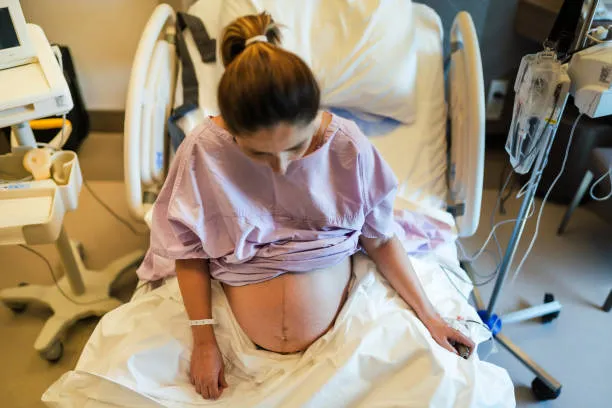
Caesarean Section: Myths and Facts
When it comes to childbirth, many expectant mothers and families often have a myriad of questions surrounding delivery methods, particularly regarding cesarean sections (C-sections). At Lopmudra Hospital Chain, we aim to provide clarity on this key aspect of maternity care. This blog will explore common myths and facts surrounding C-sections, empowering you with accurate information to ease your concerns and help you make informed decisions about your maternity care.
What is a Caesarean Section?
A caesarean section, commonly referred to as a C-section, is a surgical procedure used to deliver a baby through incisions made in the mother’s abdomen and uterus. This method is typically performed when a vaginal delivery would pose a risk to the mother or the baby due to certain complications or conditions, such as:
- The baby is in a breech position.
- The mother has health complications like high blood pressure or heart issues.
- Your baby exhibits signs of distress during labor.
- The labor isn’t progressing despite adequate contractions.
- Multiple births (twins or more).
The procedure generally takes about 45 minutes to an hour and is performed under regional anesthesia, allowing the mother to be awake during childbirth while minimizing discomfort. Understanding this process is vital, especially for patients seeking the best maternity hospital in Pune, where they can rely on the expertise of qualified obstetricians like those at Lopmudra Hospitals.
Common Myths About Caesarean Sections
It is essential to debunk the myths surrounding C-sections, as misinformation can lead to anxiety and misconceptions. Let’s address some prevalent myths associated with Caesarean sections:
-
Myth 1: C-sections are always scheduled.
Fact: While some C-sections are planned, many are emergency procedures dictated by unforeseen complications during labor.
-
Myth 2: C-sections are easier and safer than vaginal deliveries.
Fact: While C-sections are necessary in certain situations, they are major surgeries and come with risks such as bleeding, infection, and longer recovery compared to vaginal births.
-
Myth 3: Future pregnancies will always require a C-section.
Fact: Many women who have had a prior C-section may still opt for vaginal birth in subsequent pregnancies, depending on individual circumstances. This is known as vaginal birth after cesarean (VBAC).
-
Myth 4: C-sections are without pain.
Fact: After the procedure, mothers typically experience pain and discomfort at the incision site, requiring adequate pain management.
Recognizing the truth helps in making informed choices regarding your birth plan. The professionals at Lopmudra Hospitals strive to ensure that mothers are educated and prepared for childbirth, whether by C-section or vaginal delivery.
Facts About Caesarean Sections
Evidence and research highlight important facts about C-sections that reinforce the role they play in maternal and neonatal health. Here are several critical points to consider:
-
Higher safety for certain conditions: In cases such as placental abruption or fetal distress, a C-section can potentially save lives, making it a necessary action rather than a preference.
-
Prevalence: According to the World Health Organization (WHO), the ideal C-section rate for a population is between 10-15%. In India, the rates are reportedly around 17-20% in urban settings, such as in Pune.
-
Recovery time: Although C-sections require more time for physical recovery than vaginal births, advances in surgical techniques have improved recovery speeds for mothers. Typically, hospital stays last 3-4 days, compared to a day or two for vaginal births.
-
Breastfeeding support: Women who are guided adequately can still establish successful breastfeeding, even after a C-section. Support and education from healthcare teams can aid in this transition.
It is imperative to understand the science behind C-sections. At Lopmudra Hospitals, our experienced gynecologists ensure mothers receive personalized care reflective of their specific needs and conditions.
Caesarean Sections: When Are They Necessary?
There are specific circumstances where a Caesarean section is warranted. Some common scenarios include:
-
Breech Position: When the baby is positioned feet-first, a C-section is often recommended to avoid complications during delivery.
-
Multiple Births: In cases of twins or triplets, a C-section may minimize the just-in-case risks involved with multiple births.
-
Obstructions: If the mother has health conditions like fibroids blocking the birth canal or if the placenta is covering the cervical opening (placenta previa), a C-section becomes necessary.
-
Labor Complications: Failure to progress in labor, signs of fetal distress, or emergencies can lead to the need for a quick C-section.
Health professionals at Lopmudra Hospitals are dedicated to evaluating each case meticulously, ensuring that decisions are made in the best interest of both mother and child.
Preparing for a Caesarean Section
If you’ve been advised to undergo a C-section, preparation is key to ensuring a smooth procedure. Here are some essential steps to consider:
-
Preoperative Consultation: Meeting with your obstetrician is vital for discussing concerns, understanding the procedure’s details, and addressing any queries that arise.
-
Preoperative Instructions: You may be given instructions regarding diet restrictions before the surgery. It’s crucial to follow these as they prepare your body for anesthesia and surgery.
-
Support System: Ensure that a support system is in place, whether family or friends, to assist you during and after your recovery.
-
Understanding Recovery: Familiarize yourself with care instructions to ensure a healthy recovery post-surgery and set expectations on mobility and complications.
Education and preparation can alleviate anxiety surrounding the C-section. The staff at Lopmudra Hospitals offers robust prenatal education to help you feel equipped for every aspect of your childbirth experience.
Recovery After a Caesarean Section
Recovery after a C-section is an essential aspect of the overall birthing experience. While it may take longer than recovery from a vaginal birth, understanding what to expect can help:
-
Physical Recovery: Initial recovery usually spans 6 to 8 weeks, where limits on lifting, driving, and other activities may be necessary.
-
Pain Management: Expect to manage pain with prescribed medications. Communicate with your doctor regarding any discomfort, so adjustments can be made in your pain management plan.
-
Emotional Support: Postpartum emotional changes can occur. Support from loved ones and mental health resources should be actively sought if feelings of anxiety or depression arise.
-
Follow-Up Appointments: Regular follow-up visits ensure your recovery is on track. Keep your doctor informed of any complications, such as unusual pain or infection signs.
Recovery is a unique journey for each woman. Through a supportive environment and continuous care at Lopmudra Hospitals, the focus remains on each patient’s individual needs.
Conclusion: Making Informed Decisions About Delivery
Making informed decisions about childbirth is crucial for expecting mothers and their families. Understanding the facts and dispelling the myths surrounding Caesarean sections empowers you to prepare adequately for this experience. C-sections can be a lifesaving intervention in specific situations, and discussing your options with trustworthy healthcare professionals is essential.
If you are an expecting mother searching for an empathetic and experienced healthcare team, Lopmudra Hospital Chain is dedicated to providing top-notch maternity care where informed decisions and family-centered care are at the forefront. Our team of expert obstetricians aims to provide the highest level of support and medical attention to ensure the safest outcomes for both you and your baby.
Should you have any queries or wish to discuss your specific situation with one of our top professionals, do not hesitate to reach out at +918087122022 or through WhatsApp at 918379033033. You can also visit our website for more information and to schedule an appointment.
This article was written by Dr. Archana Salve, sharing insights based on professional experience in the field.
Leave a Reply