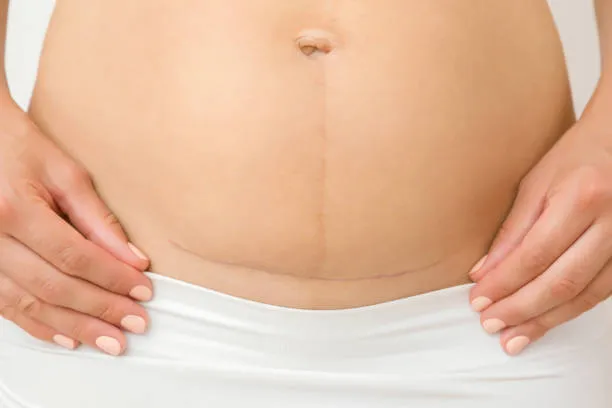
Is a C-Section as Painful as a Natural Delivery?
The journey of childbirth is a remarkable and intimate experience, often filled with a mix of emotions ranging from excitement to anxiety. Expectant mothers frequently find themselves pondering about different delivery methods, wondering about the pain and recovery associated with each. This article aims to provide a comprehensive comparison between two primary delivery methods: C-sections and natural deliveries. At Lopmudra Hospital Chain, the best maternity hospital in Pune, we understand the importance of making informed decisions regarding your delivery options, and we are here to guide you through every step of the process.
Understanding the Delivery Methods
Childbirth can be accomplished through various methods, but the most common ones include natural (vaginal) delivery and cesarean section (C-section). Both methods have their unique benefits and challenges.
Natural delivery refers to the process of giving birth vaginally without major surgical intervention. It typically involves contractions that help propel the baby through the birth canal. On the other hand, a C-section is a surgical procedure in which the baby is delivered through an incision made in the mother’s abdomen and uterus. This method may be planned ahead of time or performed as an emergency procedure depending on the circumstances surrounding the pregnancy.
Pain During Delivery: A Comparative Insight
One of the most significant concerns for expectant mothers is the level of pain associated with childbirth. While both natural deliveries and C-sections are associated with discomfort and pain, the experiences can differ markedly between the two.
Natural Delivery Pain: Many women report that the pain from contractions can be intense, often described as cramping, pressure, or a strong pulling sensation in the lower abdomen and back. Pain management options during natural deliveries can include:
- **Epidural analgesia** – a regional anesthesia that numbs the lower body while allowing mothers to remain alert.
- **Nitrous oxide** – inhaled gas that helps reduce anxiety and pain perception.
- **Medication** such as ibuprofen and acetaminophen.
While the pain of contractions may feel overwhelming, many women describe a sense of relief immediately after the baby is delivered.
C-Section Pain: Though a C-section is often considered a less traumatic delivery method in some aspects, it is a major surgical procedure. Consequently, pain from a C-section can be prolonged and may vary due to the surgical healing process. Pain management options after a C-section can include:
- **Intravenous pain medications** during recovery.
- **Oral pain medications** like ibuprofen or acetaminophen upon discharge.
Patients may also experience discomfort from the incision site for several weeks post-delivery, as the body heals from surgery. It’s important to note that while the initial pain might be managed, recovery from a C-section generally takes longer than recovery from a natural delivery.
Recovery Timeline: C-Section vs. Natural Delivery
| Delivery Method | Recovery Time | Considerations |
|---|---|---|
| Natural Delivery | Typically 1-2 weeks | Quicker healing, less interruption in daily activities |
| C-Section | Typically 4-6 weeks | Requires more extensive post-surgical care, risk of infection |
Long-Term Effects of Delivery Methods
When evaluating whether a C-section is as painful as natural delivery, it’s crucial to consider not just immediate pain, but potential long-term effects. Each method can influence postpartum experiences differently, affecting factors such as healing, breastfeeding, and emotional well-being.
Natural Delivery Long-Term Effects: While most women who have vaginal births can generally resume their routines relatively quickly, they may face challenges related to pelvic floor health, including incontinence or pelvic pain later in life. Engaging in physical therapy and following postpartum care recommendations can mitigate these effects.
C-Section Long-Term Effects: Recovering from a C-section often involves a longer period of limited physical activity, which could influence bonding with the baby and the ability to engage in typical daily tasks. Additionally, C-sections may be associated with risks such as adhesions, which can lead to chronic pain or complications in future pregnancies.
When Is a C-Section Recommended?
While many women prefer natural delivery, there are circumstances where a C-section may be medically necessary. Conditions include:
- **Breech baby position** – when the baby is positioned feet-first or sideways.
- **Multiple births** – such as twins or triplets.
- **Fetal distress** – if the baby’s heart rate shows signs of distress during labor.
- **Previous C-sections** – in many cases, once a C-section is performed, physicians may recommend subsequent deliveries be via C-section as well.
Consulting with experienced professionals, like the best gynecologists in Pune at Lopmudra Hospital Chain, can help expectant mothers understand the safest delivery options for their unique situations.
Making an Informed Choice: Which is Right for You?
Ultimately, the decision between a C-section and natural delivery needs to be driven by the health and safety of both mother and child. Forever prioritize prenatal care consultations to discuss your preferences, Medical History, and any specific concerns you may have, particularly for high-risk pregnancies, to form a detailed and personalized birth plan. It is essential to have an open dialogue with your healthcare provider, allowing for a shared decision-making process.
At Lopmudra Hospital Chain, our dedicated team of maternity care professionals will work to ensure you receive a supportive, thorough, and empathetic approach to your childbirth experience.
Postpartum Care: Navigating Through Recovery
After childbirth, regardless of the delivery method, postpartum care is essential for recovery and emotional well-being. Both approaches require focused care to ensure mothers heal efficiently and feel supported during this transformative stage. Some important aspects of postpartum care include:
- **Follow-up appointments** – Regular check-ups to monitor recovery.
- **Physical recovery support** – Exercises and proper diet to restore physical health.
- **Mental health resources** – Being aware of potential postpartum depression and accessing counselling services if needed.
Maternity care in Pune is comprehensive, provided by experienced gynecology specialists who prioritize your recovery and assistance.
In Conclusion
Whether you choose a C-section or a natural delivery, it is vital to understand the respective pain levels, recovery timelines, and overall experiences associated with each method. Armed with accurate knowledge and supportive healthcare, expectant mothers can navigate their options with confidence and clarity. Always embrace open conversations with your healthcare providers to make well-informed decisions tailored to your specific needs.
This article was written by Dr. Archana Salve, sharing insights based on professional experience in the field. For further information and consultation, feel free to contact us at +918087122022 or visit our website for appointment booking at Lopmudra Hospital Chain.
Leave a Reply