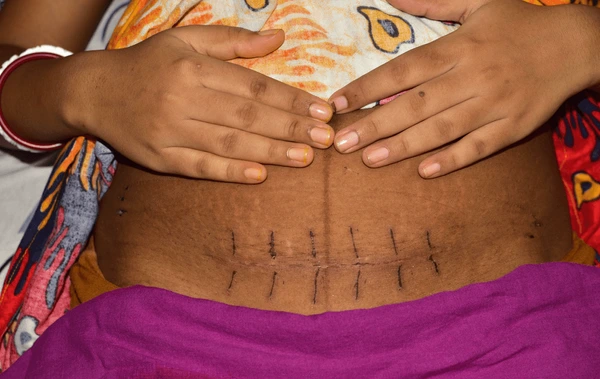
How Many Stitches Are Required for a C-Section?
A Cesarean section (C-section) is a surgical procedure used to deliver a baby through incisions in the mother’s abdomen and uterus. It is a commonly performed surgery that may be necessary for various reasons, such as a breech position, previous C-sections, or complications during labor. At Lopmudra Hospital Chain, we understand that one of the concerns expectant mothers have is about the surgical details, including how many stitches are needed for a C-section. In this blog, we will delve into this aspect and more, providing you with comprehensive and patient-friendly information to guide you in this critical time.
Understanding the C-Section Procedure
A C-section involves making a surgical incision in the abdominal wall and uterus. This procedure is typically performed under regional anesthesia, such as spinal anesthesia, allowing the mother to remain awake while the surgery is carried out. The key steps in a C-section include:
- Preparation: This includes monitoring vital signs, placing an IV line, and administering anesthesia.
- Incision: Two types of incisions may be made; a horizontal incision just above the pubic area (Pfannenstiel incision) or a vertical incision (classical incision).
- Delivering the baby: After the uterus is accessed, the baby is delivered. Once the delivery occurs, any additional steps, like suctioning fluids from the baby’s airways, are performed.
- Closure: Once the baby is delivered, the doctor will remove the placenta and close the uterus and abdominal wall.
The procedure typically lasts about 45 minutes to an hour, assuming no complications arise. Understanding this surgery’s steps demystifies the process and helps ease anxiety for expectant mothers and their families.
Types of Stitches Used in C-Sections
The number of stitches required for a C-section will depend on several factors, including the type of incision made, how quickly the doctor can close the incision, and the individual’s healing process. Typically, stitches can vary in types such as:
- Absorbable stitches: These are commonly used for internal sutures and dissolve naturally as the tissue heals.
- Non-absorbable stitches: These stitches are used for external closure and must be removed after a certain period, usually within 5 to 10 days post-surgery.
Generally, a C-section may require anywhere from 10 to 20 stitches, depending on the complexity of the surgery and the surgeon’s technique. The healthcare provider at Lopmudra Hospital will explain the specific stitches used and provide guidance on post-operative care.
Factors Influencing the Number of Stitches
Various factors may influence the number of stitches needed during a C-section:
- Type of incision: A Pfannenstiel incision may require fewer stitches than a vertical incision due to its design.
- Surgeon’s preference: Different surgeons have different techniques and preferences, which may affect stitch count.
- Incidental findings: If complications arise during the procedure, such as excessive bleeding or additional repairs being needed, this may also require more sutures.
- Patient’s anatomy: Individual anatomical variations may necessitate more secure closure methods.
Each of these factors contributes to the personalized approach to every C-section, ensuring that the health and safety of both mother and baby are prioritized.
Post-operative Care and Stitch Management
After the C-section, proper post-operative care is vital for healing. Here are some essential post-operative instructions:
- Pain management: Medications will be prescribed to control any discomfort following the surgery.
- Wound care: Keep the surgical site clean and dry. It’s essential to follow the specific instructions given by your healthcare provider to minimize the risk of infection.
- Monitoring stitches: Any signs of infection, such as excessive redness, or discharge should be reported to your healthcare provider immediately.
- Activity level: It’s recommended to avoid heavy lifting and strenuous activities for several weeks post-operation.
By following proper care guidelines, you can promote better healing and ensure that your recovery process is as smooth as possible.
Typical Recovery Time after a C-Section
Recovery after a C-section varies from woman to woman, but here are some general timelines:
- Hospital stay: A typical hospital stay lasts 3 to 4 days post-surgery.
- Healing of internal stitches: It takes about 6 to 8 weeks for internal stitches to dissolve and heal.
- External stitch removal: If non-absorbable stitches are used for the external incision, they will be removed within 5 to 10 days.
- Full recovery: Complete recovery can take from 6 to 12 weeks, depending on the individual’s health and how closely post-operative care instructions are followed.
Regular follow-up appointments with your healthcare provider can help monitor your recovery, ensuring the healing process proceeds as expected.
Risks and Complications Associated with C-Sections
While C-sections are generally safe, they do carry some risks, and potential complications may include:
- Infection: As with any surgery, there is a risk of infection at the incision site.
- Blood loss: C-sections are associated with a higher rate of blood loss than vaginal delivery.
- Delayed recovery: Some women may take longer to recover compared to those who have had vaginal births.
- Future pregnancy risks: Subsequent pregnancies may carry increased risks of complications, such as uterine rupture.
At Lopmudra Hospital Chain, our experienced team is committed to educating and supporting mothers throughout the delivery process, ensuring informed decisions are made concerning C-section deliveries.
Final Thoughts on C-Section Stitches
The decision to undergo a C-section, including the management of stitches, is tailored to each individual’s unique situation. Understanding the number of stitches, the types used, and proper post-operative care can significantly enhance your overall care experience. If you have any concerns about a C-section or wish to discuss the options available to you, don’t hesitate to reach out to the dedicated professionals at Lopmudra Hospital Chain.
This article was written by Dr. Archana Salve, sharing insights based on professional experience in the field. For appointments or more information, contact us at +918087122022 or visit our website at lopmudrahospitals.com.
Leave a Reply