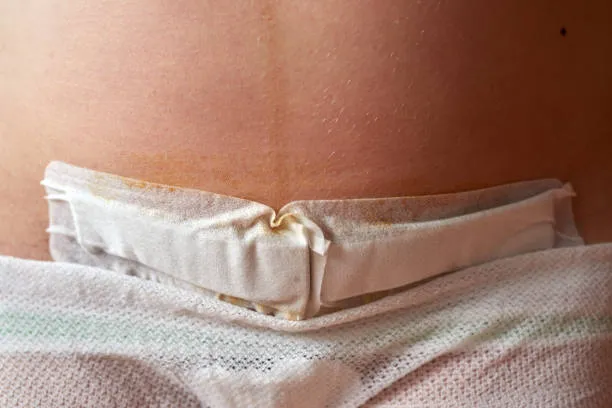
Why is a C-Section So Painful and Hard to Recover From?
A Cesarean section (C-section) is a surgical procedure used to deliver a baby through incisions in the abdomen and uterus. For many women, C-sections become a necessary route to childbirth due to various factors, including medical complications or the positioning of the baby. While C-sections can be life-saving and help prevent complications during childbirth, they can also be significantly painful and lead to a challenging recovery process. At Lopmudra Hospital Chain, we strive to ensure the safest possible delivery for mothers in Pune, and understanding the challenges and pain associated with C-sections is essential.
Understanding C-Section Pain: The Surgical Process
The pain associated with a C-section is primarily due to the surgical nature of the procedure. During a C-section, the following steps occur:
-
Administration of Anesthesia: Most C-section procedures use spinal or epidural anesthesia, providing pain relief during the operation.
-
Surgical Incision: The physician makes an incision through the skin, muscle, and abdominal wall to access the uterus. This process is invasive and causes tissue trauma.
-
Delivery of the Baby: Once the uterus is opened, the obstetrician safely pulls the baby out, which can further stretch and potentially harm surrounding tissues.
-
Closure: The doctor carefully stitches the uterus and the abdominal wall layers back together, which involves repairing multiple layers of muscle and skin.
The surgical trauma incurred during this operation can lead to considerable pain and a longer recovery time compared to vaginal births. In some cases, complications such as infections at the incision site or damage to surrounding organs can occur, exacerbating pain and delaying healing.
Postoperative Pain Management Strategies
Managing pain after a C-section requires a multifaceted approach tailored to the individual. Here are some common strategies:
-
Medications: Pain relief may start with opioid medications prescribed by your doctor, which might be phased out with non-opioid analgesics as your pain decreases.
-
Ice Therapy: Applying ice packs can help minimize swelling and numb the area around your incision, providing additional relief from pain.
-
Physical Therapy: Engaging in gentle stretches and guided movements can help relieve tension in the surrounding areas and promote healing.
-
Supportive Garments: Utilizing abdominal binders can provide postoperative support and reduce discomfort during the recovery process.
Proper management is crucial to ensure that pain doesn’t interfere with mobility, which is essential for healing. At Lopmudra Hospital Chain, our team will monitor your pain levels closely and adjust your treatment plan accordingly to ensure a comfortable recovery for new mothers.
Factors Affecting Recovery from a C-Section
Recovery from a C-section can be complex and varies from person to person due to several influencing factors, including:
-
Individual Health Factors: Preexisting conditions or complications arising during pregnancy can impact healing. Factors such as obesity, diabetes, or hypertension may delay recovery time.
-
Age: Younger women often recover faster than older women, as age can impact tissue healing and overall resilience.
-
Support System: Having adequate support from family or friends can significantly ease the recovery process, allowing mothers to rest properly.
-
Medical Complications: Conditions like infection, excessive bleeding, or a condition known as adhesions can impede recovery and lead to additional discomfort and complications.
Understanding these factors is essential to set realistic expectations and prepare for a smoother recovery journey following a C-section delivery.
Normal Recovery Timeline After a C-Section
While every woman’s experience is different, the general timeline for a C-section recovery is as follows:
-
Hospital Stay: Most women will stay in the hospital for two to four days post-surgery. During this time, healthcare providers focus on pain management and monitoring for any complications.
-
Initial Recovery (Days 1-7): During the first week, women may experience significant pain, fatigue, and limited mobility. Many new mothers will need help with daily tasks, including childcare.
-
Ongoing Recovery (Weeks 2-6): By the second week, some discomfort may start subsiding, although complete healing of the internal stitches takes longer. Many women can begin to resume light activities, though caution is advised.
-
Full Recovery (Weeks 6-8): Depending on the individual, healing can take anywhere from six to twelve weeks, with most women feeling predominantly comfortable and ready to resume regular activities by six to eight weeks.
Despite the outlined timeline, recovery experiences can be highly subjective. As a result, personalized support is important for each woman during her recovery journey.
Signs of Complications to Watch For
While some pain and discomfort are expected after a C-section, certain signs may indicate complications. New mothers should remain vigilant for the following warning signs:
-
Increased Pain: If pain worsens rather than improves, it may be indicative of an underlying issue.
-
Signs of Infection: Symptoms such as fever, redness around the incision site, or unusual discharge should never be overlooked, as they may signal an infection.
-
Trapped Gas or Bowel Issues: Chronic pain or the inability to pass gas can reflect complications inside the abdomen, and medical advice should be sought immediately.
-
Signs of Blood Clots: Swelling or pain in the legs, chest pain, or sudden shortness of breath can indicate a blood clot and should be treated as an emergency.
Immediate medical attention is crucial in addressing these complications and ensuring the health and safety of new mothers.
Tips for a Smooth C-Section Recovery
Some practical suggestions can enhance recovery after a C-section:
-
Rest and Take It Easy: Allow your body the time it requires to heal. Avoid strenuous activities and listen to your body’s signals.
-
Stay Hydrated and Eat Well: Proper nutrition and hydration support recovery and energy levels. Focus on consuming a balanced diet rich in protein, vitamins, and minerals.
-
Engage in Gentle Movements: Gradually incorporate light walking into your daily routine to enhance blood circulation without straining your healing body.
-
Seek Medical Advice for Concerns: If any worries arise regarding pain, incision site issues, or other health concerns, communicate them to your healthcare provider promptly.
By focusing on self-care and acknowledging the need for support, new mothers can navigate their recovery journey more smoothly.
Final Thoughts on C-Section Recovery
Understandably, C-sections are viewed as a major surgical procedure that can lead to significant pain during the recovery process. However, with the proper knowledge, care, and support from medical professionals and loved ones, most women can successfully navigate the challenges associated with this birth method.
At Lopmudra Hospital Chain, we specialize in providing comprehensive maternity care, catering specifically to the needs of mothers undergoing C-sections. Our team of experienced obstetricians and nurses are dedicated to ensuring your safety, comfort, and successful recovery.
If you have questions or concerns about C-section deliveries, pain management, or recovery, feel free to reach out to us at +918087122022 or schedule an appointment online. Remember, you are not alone on this journey.
This article was written by Dr. Archana Salve, sharing insights based on professional experience in the field.
Leave a Reply