Understanding Asthma: A Comprehensive Guide
Asthma is a chronic respiratory condition that affects millions of people around the world, including a significant number of individuals in India. It is characterized by inflammation of the airways, leading to narrow passages that make breathing difficult. At Lopmudra Hospital Chain, we are committed to helping our patients understand and manage their asthma effectively. This blog will explore the signs and symptoms of asthma, offering insights on diagnosis, treatment options, and preventative measures.
What Causes Asthma?
Asthma can result from a combination of genetic and environmental factors. While the exact cause varies from person to person, several common triggers have been identified that can worsen asthma symptoms or provoke an asthma attack. Understanding these causes can be essential for effective management.
-
Genetics: A family history of asthma or other allergic conditions can increase the likelihood of developing asthma.
-
Environmental Factors: Exposure to tobacco smoke, pollution, dust mites, mold, and pet dander can aggravate asthma.
-
Physical Activity: Exercise, especially in cold air, can trigger an asthma episode in some people.
-
Weather Conditions: Changes in weather, especially cold air or humidity, can also play a role.
-
Respiratory Infections: Colds and respiratory infections can lead to worsening asthma symptoms.
Recognizing these potential triggers can help individuals minimize exposure, manage their symptoms more effectively, and lead healthier lives free from severe asthma attacks.
Common Signs and Symptoms of Asthma
Identifying the signs and symptoms of asthma early can lead to better outcomes and improved quality of life. Symptoms can vary from mild to severe and may manifest occasionally or more frequently depending on the individual and their environment.
-
Wheezing: A high-pitched whistling sound when exhaling is often a sign of narrowed airways.
-
Shortness of Breath: Individuals may experience breathlessness or a tight feeling in the chest, particularly during physical activity or at night.
-
Coughing: Persistent coughing, especially at night or early in the morning, can indicate asthma. This may worsen when exposed to cold air or exercise.
-
Chest Tightness: A sensation of pressure or tightness in the chest can occur frequently.
Symptoms of asthma can be unpredictable and may flare up due to specific triggers. Keeping a symptom diary can help both patients and healthcare providers track patterns and respond effectively.
How is Asthma Diagnosed?
An accurate diagnosis of asthma typically involves a combination of medical history, physical examinations, and specific tests. Here’s an overview of the diagnostic process:
-
Medical History: Your doctor will inquire about your symptoms, their frequency, and any family history of asthma or allergies.
-
Physical Examination: A thorough examination, including listening to your breathing, will help determine the current state of your lungs.
-
Pulmonary Function Test: These tests measure how much air you can blow out, helping assess your lung function.
-
Allergy Testing: Identifying allergies that may worsen asthma can be essential in tailoring treatment plans.
If you suspect that you or a loved one may have asthma, please consult our skilled healthcare team at Lopmudra Hospital Chain for a comprehensive evaluation and personalized approach to managing this condition.
Effective Asthma Management and Treatment Options
Asthma management focuses on preventing symptoms, reducing flare-ups, and maintaining normal lung function. Treatment typically involves a combination of medication strategies tailored to each individual’s needs.
-
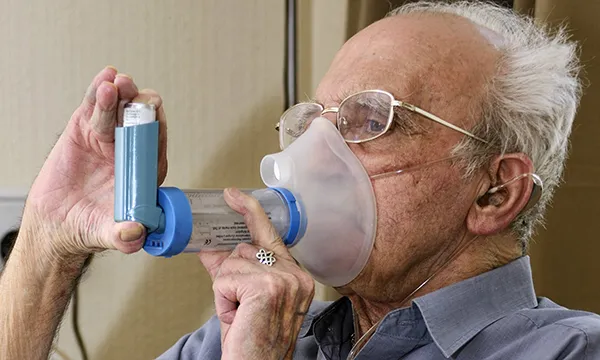
Inhalers: The most common medications are bronchodilators and anti-inflammatory medications! Lopmudra Hospital Chain provides a variety of inhalers suited to the severity of the condition:
- **Relievers** (short-acting bronchodilators): These provide rapid relief of asthma symptoms.
- **Controllers** (long-acting bronchodilators and inhaled corticosteroids): These require regular use to manage chronic symptoms effectively.
-
Oral Medications: In some cases, oral medications such as corticosteroids may be prescribed for more severe asthma to reduce inflammation.
-
Biologics: For patients with uncontrolled asthma despite standard treatments, biologic therapies targeting specific pathways may be an option.
-
Allergy Treatments: Allergy medications or immunotherapy may be recommended for patients with asthma and allergies that exacerbate their condition.
It’s vital to maintain open communication with your healthcare provider about the effectiveness of the prescribed treatment plan and any emerging symptoms or side effects.
Lifestyle Changes to Manage Asthma
Managing asthma isn’t solely about medication; lifestyle changes also play a critical role. Adopting certain behaviors can help mitigate symptoms and improve overall health.
-
Avoiding Triggers: Identify and limit exposure to known asthma triggers, whether environmental, dietary, or lifestyle-based.
-
Regular Exercise: While exercise can be a trigger, a tailored exercise program improves lung function and overall fitness. Always consult with your physician before starting new activities.
-
Healthy Diet: A balanced diet rich in fruits, vegetables, whole grains, and omega-3 fatty acids can help improve lung function and overall health.
-
Stress Management: Stress can trigger asthma symptoms; thus, techniques such as yoga, meditation, or breathing exercises may be beneficial.
At Lopmudra Hospital Chain, we believe in equipping patients with holistic strategies that go hand in hand with medical treatment to flourish in daily life.
The Importance of Regular Monitoring
Regular monitoring of asthma symptoms and lung function can play a crucial role in managing this chronic condition effectively. Patient engagement in their care plan is essential as it can help prevent unwanted emergency situations.
-
Peak Flow Meter: Using a peak flow meter regularly can help gauge lung function and whether your asthma is under control.
-
Symptom Diary: Keeping a written record of symptoms, medication usage, triggers, and overall health can aid discussions with the healthcare provider.
-
Regular Checkups: Schedule regular checkups with your healthcare provider to evaluate your asthma control and determine if any changes are needed in your treatment plan.
For more information on how you can monitor and manage your asthma, reach out to our experienced team at Lopmudra Hospital Chain.
Conclusion: Living Well with Asthma
Living with asthma doesn’t mean a life restricted by the condition. With a thorough understanding of the signs and symptoms, effective management strategies, and a supportive healthcare team, individuals with asthma can lead fulfilling lives. Whether you’re a patient seeking guidance or a caregiver looking for resources, Lopmudra Hospital Chain is equipped to provide exceptional care through our specialized services and patient-focused philosophy in Delhi.
If you or a loved one is struggling with asthma, don’t hesitate to get in touch with our dedicated team by calling us at +918087122022. You can also reach out via WhatsApp at 918379033033 to discuss appointment options or browse our website at lopmudrahospitals.com for more information on our respiratory care services.
This article was written by Dr. Sneha Tirpude, sharing insights based on professional experience in the field.
Leave a Reply