Category: Uncategorized

  • COPD and Leg Weakness: Understanding the Connection – Insights from Lopmudra Hospital Experts

    COPD and Leg Weakness: Understanding the Connection – Insights from Lopmudra Hospital Experts

    Can COPD Make Your Legs Weak?


    Chronic Obstructive Pulmonary Disease (COPD) is a progressive lung condition characterized by limited airflow and difficulty breathing. It affects millions of people globally, leading to various complications beyond just respiratory issues. Many patients often wonder about the less obvious effects of COPD, including whether it can result in weakness in the legs. This blog aims to explore the connection between COPD and muscle weakness, particularly in the lower limbs, while also offering insights into management and treatment options available at Lopmudra Hospital.


    Understanding COPD and Its Symptoms

    COPD is primarily caused by long-term exposure to irritants that damage the lungs, typically from smoking, air pollution, or occupational hazards. Symptoms include:

    • Chronic Cough: A persistent cough that produces mucus.
    • Dyspnea: Shortness of breath, especially during physical activities.
    • Wheezing: A whistling or squeaky sound when breathing.
    • Frequent Respiratory Infections: Increased susceptibility to colds and flu.
    • Fatigue: Chronic tiredness due to the effort required for breathing.

    Understanding these symptoms is essential for early diagnosis and effective management of COPD. At Lopmudra Hospital, our respiratory specialists can provide tailored consultations for anyone experiencing ongoing respiratory issues.


    The Physiological Impact of COPD on Muscle Strength

    Individuals with COPD often experience systemic inflammation, muscle wasting, and decreased physical activity, all contributing to a decline in muscle strength. Here’s how each factor impacts the strength of the legs:

    • Reduced Oxygen Supply: COPD reduces the amount of oxygen available for muscles. With insufficient oxygen, endurance and strength diminish, making activities like walking or climbing stairs progressively harder.
    • Inactivity: Individuals with COPD may limit their physical activity due to breathlessness or fear of exacerbating symptoms. Inactivity leads to muscle atrophy, especially in minor muscle groups in the legs.
    • Systemic Inflammation: The chronic inflammation associated with COPD affects multiple body systems, including the muscles. This can result in muscle fatigue and weakness.

    Recognizing these effects can assist patients in understanding that muscle strength varies greatly among individuals with COPD. If you are in need of comprehensive care, reach out to the leading healthcare providers at Lopmudra Hospital for further support.


    Symptoms of Weakness in the Legs Related to COPD

    If you or a loved one has COPD, being aware of the symptoms indicating weakness in the legs can be crucial for timely intervention. Common signs might include:

    • Fatigue: Experiencing increased fatigue even with minimal exertion, such as standing up or walking.
    • Muscle Cramps: Cramping or tightening in the leg muscles during physical activity.
    • Difficulty Climbing Stairs: Finding it harder than usual to navigate stairs or inclines.
    • Unsteady Gait: Noticeable changes in balance leading to falls or trips.

    These symptoms can often lead to further complications and a reduced quality of life. Seeking support from specialized clinics can help in managing both your COPD and leg weakness symptoms effectively.


    Assessment of Muscle Strength in COPD Patients

    Assessing the strength and function of your legs is an important step in determining how COPD may be affecting your overall physical health. Common assessments may include:

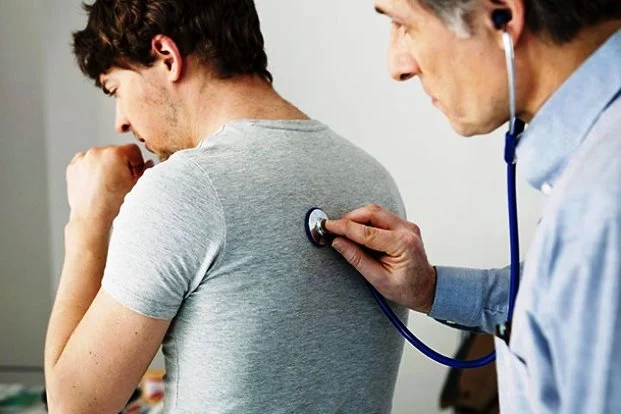
    • Physical Examination: A healthcare provider will assess muscle strength, coordination, and balance through various tests.
    • Walk Tests: Short-distance walk tests can help gauge functional capacity and endurance.
    • Imaging Studies: MRI or CT scans may be employed to assess muscle mass and fat content as indicators of muscle health.

    A thorough evaluation can help tailor a personalized treatment plan addressing both lung function and muscle strength, available through skilled teams at Lopmudra Hospital.


    Treatment Options to Enhance Muscle Strength

    For COPD patients experiencing leg weakness, various treatments can improve muscle strength and overall health. Optionally, these may include:

    • Physical Therapy: Tailored strength training and rehabilitation exercises designed by a physical therapist can help improve endurance and muscle mass.
    • Nutritional Support: A balanced diet rich in proteins and essential nutrients can combat muscle wasting. Consulting a dietitian can help establish a suitable nutrition plan for COPD patients.
    • Medications: Bronchodilators and corticosteroids can improve lung function, indirectly contributing to better energy levels and muscle strength.
    • Supplementation: Vitamin D and certain amino acids may be recommended to support muscle health.

    Addressing muscle weakness can aid in achieving better physical stability and reducing the risk of falls. Reach out to the top COPD specialists near you at Lopmudra Hospital for guidance on this journey toward improved muscle strength.


    Lifestyle Changes for Better Management of COPD and Leg Weakness

    Making informed lifestyle choices can make a significant difference in the management of both COPD and any associated muscle weakness. Consider adopting the following:

    • Regular Exercise: Engage in low-impact exercises that do not exacerbate breathlessness. Activities like walking, swimming, or cycling can be beneficial.
    • Smoking Cessation: If you’re a smoker, quitting can significantly improve lung function and general well-being. Seek support through quitlines or local cessation programs.
    • Maintaining a Healthy Weight: Strive for a healthy body weight to reduce the strain on your lungs and legs.

    These lifestyle modifications can significantly improve quality of life and slow disease progression. The experienced healthcare providers at Lopmudra Hospital in Delhi can offer additional resources and support.


    Seeking Help: When to Consult a Doctor

    If you are experiencing persistent weakness in your legs or any exacerbation in your COPD symptoms, it’s crucial to seek professional help. Early intervention can mitigate further complications and significantly improve life quality.

    At Lopmudra Hospital, our dedicated teams specialize in COPD management and related complications through personalized care. Contact us at +918087122022 or via WhatsApp at 918379033033 for appointments and inquiries. Our experts are here to guide you every step of the way toward a healthier life.


    Conclusion: Empowering Patients with Knowledge

    The relationship between COPD and leg weakness is complex but essential to understand for anyone affected by this challenging disease. By recognizing the signs and symptoms, undergoing proper assessments, and implementing appropriate treatments and lifestyle changes, patients can enhance both lung and muscular health.

    Knowledge is power—empower yourself with the right information and support. Reach out to the top COPD experts in Delhi at Lopmudra Hospital and take the first step in regaining your strength and well-being.


    This article was written by Dr. Sneha Tirpude, sharing insights based on professional experience in the field.

  • Asthma vs COPD: Understanding the Key Differences at Lopmudra Hospital

    Asthma vs COPD: Understanding the Key Differences at Lopmudra Hospital

    Understanding the Differences Between Asthma and COPD


    Asthma and Chronic Obstructive Pulmonary Disease (COPD) are two chronic respiratory conditions that affect millions of individuals around the globe. Despite sharing some similarities, they are distinct disorders that require different management strategies. In this blog post, we will delve into the essential differences between asthma and COPD, highlighting their causes, symptoms, treatment options, and how our team at Lopmudra Hospital Chain in [City] can help you manage these conditions effectively.

    Book appointment banner for Lopmudra Hospitals

    ı What is Asthma?

    Asthma is a chronic inflammatory disease of the airways that leads to difficulty breathing, coughing, and wheezing. It can develop at any age but often begins during childhood. The inflammation in the airways causes them to swell, making it difficult for air to flow in and out of the lungs. Common triggers for asthma attacks include allergens, respiratory infections, exercise, cold air, and tobacco smoke.

    According to the World Health Organization (WHO), an estimated 262 million people globally were affected by asthma in 2019, with approximately 461,000 deaths attributed to the condition. In [City], rising pollution levels and increasing allergens have contributed to an uptick in asthma cases, highlighting the importance of understanding and managing the disease.

    What is Asthma

    ı What is COPD?

    Chronic Obstructive Pulmonary Disease (COPD) encompasses a group of progressive lung diseases, including emphysema and chronic bronchitis, characterized by persistent respiratory symptoms and airflow limitation. COPD is primarily caused by long-term exposure to irritating gases or particulate matter, most commonly tobacco smoke. Unlike asthma, which can be reversible, COPD’s progression typically worsens over time.

    According to the Global Initiative for Chronic Obstructive Lung Disease (GOLD), over 300 million people worldwide suffer from COPD. In [City], the prevalence of COPD is on the rise due to smoking habits and environmental factors, emphasizing the need for early diagnosis and effective treatment plans tailored by healthcare specialists.

    What is COPD?

    ı Causes and Risk Factors

    Asthma: The causes of asthma can vary, but common risk factors include:

    • Genetic predisposition: Family history of asthma or allergies can increase the likelihood of developing asthma.
    • Environmental factors: Allergens such as pollen, pet dander, and mold can trigger asthma symptoms.
    • Occupational exposure: Certain jobs that expose individuals to dust, fumes, or chemicals may increase asthma risk.
    • Respiratory infections: Viral infections in childhood can predispose to asthma development.

    COPD: The primary risk factor for COPD is long-term smoking. Other significant factors include:

    • Exposure to secondhand smoke: Individuals exposed to smoke from others are at increased risk for developing COPD.
    • Occupational hazards: Long-term exposure to dust, chemicals, and fumes can lead to respiratory problems.
    • Air pollution: High levels of air pollution and poor indoor air quality can contribute to COPD.
    • Age: COPD is more common in people over the age of 40.


    ı Symptoms Comparison

    Symptom Asthma COPD
    Coughing Often frequent at night or early morning, can be dry or produce mucus. Chronic cough that lasts most days and produces mucus.
    Wheezing Common, especially during asthma attacks. Wheezing may occur but is less common than in asthma.
    Shortness of Breath May vary; can occur during an asthma attack or when exercising. Progressive shortness of breath, especially during physical activities.
    Tightness in Chest Common during asthma attacks. May occur, especially during physical exertion.

    ı Diagnosis: How Are Asthma and COPD Diagnosed?

    Accurate diagnosis is crucial for both asthma and COPD, as treatments and management plans differ significantly. At Lopmudra Hospital Chain, our healthcare specialists in [City] use various diagnostic tools and methods to determine the correct condition.

    • Medical History: A thorough evaluation of your medical history and symptom review is the first step.
    • Pulmonary Function Tests (PFTs): These tests measure lung function and include spirometry to determine airflow limitation.
    • Chest X-ray or CT Scan: Imaging studies can help visualize lung structures and rule out other conditions.
    • Allergy Testing: Identifying triggers for asthma may involve allergy tests to determine allergen sensitivity.

    The combination of these diagnostic evaluations allows our specialists to differentiate between asthma and COPD and tailor a personalized treatment plan to meet your specific needs.


    ı Treatment Options

    Treating asthma and COPD involves various strategies aimed at managing symptoms and improving the quality of life. Here’s a breakdown of common treatment options for each condition:

    Treatment Type Asthma COPD
    Medications Inhalers (both relievers and controllers), oral corticosteroids. Bronchodilators, corticosteroids, and combination inhalers.
    Long-Term Management Regular monitoring, asthma action plan. Regular follow-ups, pulmonary rehabilitation.
    Allergen Management Avoidance of known triggers, allergy medications. Quit smoking and avoid irritants; home air quality improvements.

    Both conditions require commitment to treatment; however, with appropriate management, patients can experience improved lung function and a better quality of life.


    ı Living with Asthma or COPD

    Living with asthma or COPD can present challenges, but with effective education and support, it is possible to manage symptoms successfully. Here are some strategies that can help:

    • Medication Adherence: Always follow your healthcare provider’s instructions regarding medications and treatment plans.
    • Avoiding Triggers: Stay vigilant in avoiding known allergens or irritants that may exacerbate your condition.
    • Regular Exercise: Engage in physical activities as recommended by your healthcare provider to strengthen lung function.
    • Education and Awareness: Learn about your condition, proper inhaler technique, and how to manage acute episodes effectively.
    • Regular Check-ups: Schedule routine appointments with your healthcare provider to monitor your lung health and medication effectiveness.

    At Lopmudra Hospital Chain, we offer specialized programs that provide essential educational resources and support for patients living with asthma and COPD in [City].


    ı Conclusion

    In summary, while asthma and COPD share some symptoms and characteristics, they are significantly different conditions that require distinct treatment approaches. Understanding these differences is crucial for effective management and improved quality of life for individuals affected by either disorder. If you or a loved one is struggling with asthma or COPD, don’t hesitate to consult with our expert healthcare specialists at Lopmudra Hospital Chain in [City]. We are committed to offering specialized healthcare services and support tailored to your unique needs.


    chat with us cover
  • Pulmonary Function Test: Essential Guide by Lopmudra Hospital Specialists

    Pulmonary Function Test: Essential Guide by Lopmudra Hospital Specialists

    What is a Pulmonary Function Test?


    A Pulmonary Function Test (PFT) is a group of tests that measure how well your lungs work. It assesses various aspects of your lung function, including the amount of air you breathe in and out, how quickly you can exhale, and how efficiently oxygen gets to your bloodstream. These tests are vital for diagnosing certain lung diseases, evaluating the severity of lung problems, and tracking the effectiveness of treatments. At Lopmudra Hospital, we offer advanced pulmonary function testing as part of our comprehensive healthcare services aimed at improving respiratory health for the community in [City].

    Book appointment banner for Lopmudra Hospitals

    ı Why Are Pulmonary Function Tests Necessary?

    Pulmonary function tests are essential for several reasons:

    • Diagnosis of Lung Diseases: Conditions such as asthma, chronic obstructive pulmonary disease (COPD), and pulmonary fibrosis can be diagnosed through these tests. Early diagnosis is crucial for effective management and treatment.
    • Monitoring Disease Progression: If you already have a chronic lung condition, PFT provides essential insights into how well your treatment is working and whether your condition is worsening.
    • Preoperative Assessment: For individuals undergoing surgery, especially those who have a history of lung problems, PFT can help evaluate whether your lungs are strong enough to tolerate anesthesia and surgery.

    At Lopmudra Hospital, we utilize these tests to inform our personalized treatment plans and ensure the highest quality of care for our patients.


    ı Types of Pulmonary Function Tests

    Pulmonary function tests consist of several specific tests, each designed to measure different aspects of lung performance. The most common types include:

    • Spirometry: This is the most common PFT. It measures how much air you can inhale and exhale and how quickly you can exhale. It is vital for diagnosing asthma and COPD.
    • Lung Volume Measurement: This test determines the total volume of your lungs, including what remains after exhalation. It provides insight into the lung’s capacity and efficiency.
    • Diffusion Capacity Test: This aspect of the PFT evaluates how effectively oxygen passes from your lungs into your bloodstream. It’s particularly helpful in identifying conditions like pulmonary fibrosis.
    • Exercise Testing: Sometimes patients require assessment during exercise to determine how well the lungs perform under exertion. This type of test may involve walking on a treadmill or riding a stationary bike.

    Each of these tests helps healthcare professionals at Lopmudra Hospital understand your lung health comprehensively and tailor treatments according to specific needs.


    ı Preparation for a Pulmonary Function Test

    To ensure accurate results, certain preparations are necessary prior to taking a pulmonary function test. The specific requirements may vary based on the type of test conducted, but here are general guidelines:

    • Avoid Certain Medications: Bronchodilators and other respiratory medications might need to be withheld prior to testing. Always consult with your physician at Lopmudra Hospital for personalized advice.
    • Avoid Heavy Meals: Eating a large meal before the test can alter the results. It’s best to have a light meal a few hours before.
    • Wear Comfortable Clothing: It’s advised to wear comfortable clothes that allow for easy breathing. Avoid tight-fitting apparel.
    • Arrive Well-Hydrated: Hydration is important for accurate measurements, so drink water leading up to your appointment.

    If you have concerns about preparing for the test, reach out to us at Lopmudra Hospital to ensure seamless scheduling and pre-test guidance.


    ı What to Expect During the Test

    Understanding what happens during a pulmonary function test can alleviate any anxiety associated with the procedure. Here’s a typical outline of the process:

    • Instruction: A healthcare professional will explain the test and what to anticipate. This ensures you understand the procedure and its importance.
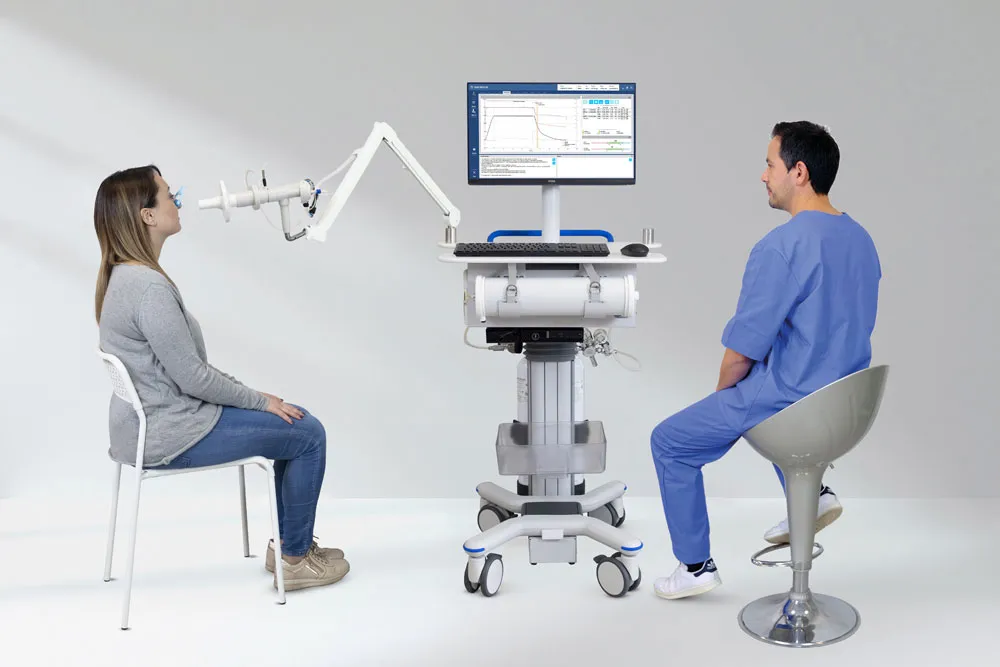
    • Spirometry: You will be asked to breathe into a device called a spirometer. This instrument measures the speed and volume of your breath. It might require some forceful breaths to ensure accurate readings.
    • Lung Volume Measurements: You may be required to sit in a sealed room while breathing into a mouthpiece connected to a machine. This assesses lung volume using a technique called plethysmography.
    • Diffusion Capacity Testing: This test generally involves inhaling a harmless gas for a few seconds to measure how well it transitions from your lungs into your blood.

    After completing the tests, our healthcare team will calm any possible questions to ensure that you feel informed and secure about the results, which will be discussed in a follow-up appointment.


    ı Interpreting Pulmonary Function Test Results

    The results obtained from the pulmonary function tests can provide insightful data regarding your respiratory health. Outcomes will typically be expressed in several categories:

    • Normal Results: Indicating healthy lung function, suggesting no significant obstruction or restriction.
    • Obstructive Lung Disease: Results indicating an obstruction in airflow, which may suggest conditions such as asthma or COPD. This is characterized by a reduced FEV1 (Forced Expiratory Volume in one second) in relation to FVC (Forced Vital Capacity).
    • Restrictive Lung Disease: Results indicating a restriction in lung volume, suggesting conditions such as pulmonary fibrosis. In this scenario, both FEV1 and FVC may be decreased, but their ratio typically remains normal.

    At Lopmudra Hospital, our skilled pulmonary specialists will work with you to interpret your results and recommend the necessary next steps—be it treatment or further investigation.


    ı Treatment Options After PFT Analysis

    Depending on the outcomes of your pulmonary function tests, various treatment options may be recommended. Here are common approaches that patients may consider based on their unique situation:

    Treatment Type Indications Expected Benefits
    Inhaled Medications Asthma, COPD Relief from symptoms, improved lung function
    Pulmonary Rehabilitation Chronic lung disorders Enhanced physical endurance, educational support
    Lifestyle Changes All lung conditions Improved respiratory health through diet and exercise
    Surgery Severe cases, lung tumors Direct treatment of lung issues, improved quality of life

    All these treatments are monitored and adjusted as necessary at Lopmudra Hospital, where each patient’s journey to better health is our utmost priority.


    ı Conclusion

    Pulmonary function tests are a vital component of diagnosing and managing respiratory diseases. They offer indispensable insights into lung function and guide necessary treatment decisions. At Lopmudra Hospital, our expert team in [City] is dedicated to providing comprehensive pulmonary care, ensuring that our patients receive the highest quality treatment tailored to their individual needs. If you are experiencing symptoms related to lung function or require further information on pulmonary function tests, we encourage you to reach out to us at Lopmudra Hospital or call us at +918087122022 for more information and to schedule your appointment. Your lung health is our priority.

    chat with us cover
  • Is Your Lung Capacity Decreasing? Signs, Symptoms & When to Consult a Specialist

    Is Your Lung Capacity Decreasing? Signs, Symptoms & When to Consult a Specialist

    How to tell if my lung capacity is decreasing?


    Lung capacity is critical for overall health and well-being, as it allows our bodies to absorb sufficient oxygen and maintain metabolic functions. However, factors such as age, smoking, pollutants, and respiratory diseases can lead to decreased lung capacity. If you are concerned about your respiratory health, specifically regarding lung capacity, this article by Lopmudra Hospital aims to elucidate the signs, symptoms, and course of action you can take. We are dedicated to providing exceptional healthcare services in [City], including comprehensive evaluations and treatments for respiratory conditions.

    Book appointment banner for Lopmudra Hospitals

    ı Understanding Lung Capacity and Its Importance

    Lung capacity refers to the total amount of air your lungs can hold. This measurement is vital as it indicates how well your lungs can function and supply the body with oxygen. The normal range varies significantly based on age, gender, height, and fitness level, but an average adult male has a total lung capacity of about 6 liters, while an average adult female has approximately 4.5 liters.

    Adequate lung capacity is crucial for respiratory efficiency, as it impacts physical performance, stamina, and overall health. Conditions such as asthma, chronic obstructive pulmonary disease (COPD), and pulmonary fibrosis often lead to reduced lung capacity, which can significantly affect your quality of life.

    At Lopmudra Hospital, we provide individualized assessments for your lung health. Our respiratory specialists are equipped with state-of-the-art tools to evaluate your condition meticulously and propose tailored treatment plans to enhance your lung functionality.

    Understanding Lung Capacity


    ı Causes of Decreased Lung Capacity

    Decreased lung capacity can arise from various factors, including but not limited to the following:

    • Smoking: Cigarette smoke contains harmful toxins that can damage lung tissues, leading to reduced elasticity and respiratory issues.
    • Age: Aging naturally leads to progressive decline in lung function, with the alveoli (tiny air sacs) losing their elasticity.
    • Environmental Pollutants: Exposure to air pollution, dust, or chemicals can lead to chronic inflammation and lung damage.
    • Respiratory Diseases: Conditions such as asthma, COPD, and pulmonary fibrosis can limit airflow and impact lung capacity.
    • Obesity: Excess weight can restrict lung expansion, resulting in diminished breathing efficiency.

    Each of these factors can converge to impede optimal lung function, underscoring the necessity of early intervention. If you’re experiencing any changes in your breathing, it is advisable to consult healthcare providers specializing in respiratory health, such as those at Lopmudra Hospital in [City].


    ı Recognizing Symptoms of Decreased Lung Capacity

    Understanding the symptoms associated with decreased lung capacity is essential for early identification and treatment. Some key indicators may include:

    • Shortness of Breath: Difficulty in catching your breath during daily activities or experiencing breathlessness with minimal exertion can be alarming signs.
    • Chronic Cough: A persistent cough that persists for weeks can indicate underlying lung issues.
    • Chest Tightness: Feeling a sensation of tightness in your chest may be a symptom of underlying respiratory problems.
    • Fatigue: Experiences of unusual tiredness could be directly linked to your body’s reduced oxygen intake.
    • Frequent Respiratory Infections: A rising number of respiratory infections like bronchitis or pneumonia may also point to compromised lung function.

    If you notice any of these symptoms, it is crucial to seek professional evaluation at a trusted facility like Lopmudra Hospital. Early detection often leads to better management and improved outcomes.


    ı How is Lung Capacity Measured?

    Healthcare providers utilize a variety of methods to assess lung capacity effectively. The most common method is called spirometry, which measures how much air you inhale, how much air you exhale, and how quickly you exhale.

    During a spirometry test, you’ll perform a series of breathing maneuvers while a technician records the results. The key metrics evaluated include:

    • Forced Vital Capacity (FVC): The total amount of air you can forcefully exhale after taking a deep breath.
    • Forced Expiratory Volume in 1 Second (FEV1): The volume of air you can forcefully exhale in one second.
    • FEV1/FVC Ratio: This ratio helps assess the presence of obstructive or restrictive lung disease.

    In some cases, additional tests such as diffusion capacity testing (DLCO) may also be performed to assess how well oxygen crosses from the lungs into the bloodstream.

    At Lopmudra Hospital, our respiratory specialists use advanced spirometry equipment and other diagnostic tools to give an accurate assessment of your lung health.


    ı Treatment Options for Decreasing Lung Capacity

    Treatment for decreased lung capacity largely depends on the underlying cause. Here are some standard approaches:

    Treatment Type Description Potential Benefits
    Medications Bronchodilators, corticosteroids, and other medicines can help relax airway muscles and reduce inflammation. Reduced symptoms, improved airflow, enhanced exercise tolerance.
    Pulmonary Rehabilitation A structured program combining exercise, nutritional advice, and education to improve overall lung function. Enhanced lung capacity, better quality of life, and increased physical stamina.
    Oxygen Therapy Providing supplemental oxygen during activities to ensure your body receives adequate oxygen. Improved oxygen saturation levels, reduced fatigue, and increased exercise capacity.
    Surgery In some cases, surgical interventions such as lung volume reduction surgery may be considered. Potentially better lung function in severe cases of COPD or emphysema.

    It is imperative to consult a qualified professional at Lopmudra Hospital to ascertain the most appropriate treatment plan based on your individual needs.


    ı Lifestyle Modifications to Improve Lung Health

    Beyond medical interventions, making certain lifestyle modifications can significantly enhance your lung health and overall quality of life:

    • Quit Smoking: If you smoke, seek assistance in quitting as it will dramatically improve lung function and overall health.
    • Stay Active: Regular physical activity helps strengthen the respiratory muscles and improve overall lung capacity. Include exercises like walking, swimming, or cycling.
    • Maintain a Healthy Diet: Eating a balanced diet rich in antioxidants, omega-3 fatty acids, and vitamins can support lung function. Include plenty of fruits, vegetables, and whole grains in your diet.
    • Minimize Environmental Exposure: Limit contact with pollutants, dust, or chemicals. If you need to be in a polluted environment, use protective masks.
    • Practice Good Hygiene: Regular hand-washing and vaccination against influenza and pneumonia can help prevent respiratory infections.

    At Lopmudra Hospital, we offer various programs aimed at providing support and guidance for making these lifestyle changes geared specifically toward enhancing lung health.


    ı When to Seek Medical Help

    Being attuned to your body can save lives. Recognizing when to seek medical assistance is of utmost importance, especially as lung capacity decreases. Here are some indicators:

    • Experiencing significant shortness of breath, especially if it worsens over time.
    • Noticing persistent or worsening coughing.
    • If you have frequent respiratory infections or a history of lung disease symptoms.
    • Finding that common activities, such as walking or climbing stairs, leave you feeling unusually fatigued or breathless.

    If you are concerned about your respiratory health, do not hesitate to contact Lopmudra Hospital at +918087122022 or visit our website to book an appointment. Our dedicated team is here to provide you with the best care in a welcoming environment.


    ı Conclusion

    Lung capacity plays an indispensable role in maintaining our overall health. Being cognizant of the signs and symptoms of decreasing lung capacity and understanding how to take action is essential for anyone concerned about their respiratory health. Whether through medical evaluation, lifestyle changes, or seeking specialized treatment, our team at Lopmudra Hospital is committed to helping you breathe easier and live a healthier life. Don’t delay in seeking care—your lungs will thank you!

    chat with us cover