Trusted Paediatric Care at Lopmudra Hospital, Pune
Real Patient Testimonials That Reflect Expertise, Care, and Trust
When it comes to a child’s health, parents don’t take chances. They look for experience, safety, compassion, and results. At Lopmudra Hospital, Pune, paediatric care is built on exactly these values. The real stories shared by parents in our patient testimonial video clearly show why families trust us with their most precious responsibility—their child’s health.
Real Experience: Parents Sharing Their Child’s Healing Journey
In the video testimonial, parents speak about moments of fear, uncertainty, and concern when their child was unwell. From recurring infections and developmental concerns to emergency paediatric care, families describe how the paediatric team at Lopmudra Hospital supported them at every step.
Parents highlight:
Clear explanations about diagnosis and treatment
Calm and reassuring communication during stressful situations
Gentle handling of infants and children
Continuous updates and involvement in decision-making
Medical Expertise You Can Rely On
Paediatric care at Lopmudra Hospital is led by experienced paediatricians and child health specialists trained to manage:
Common childhood illnesses
Newborn and infant care
Growth and developmental monitoring
Fever, infections, and respiratory issues
Preventive paediatric healthcare and vaccinations
Parents in the testimonial repeatedly mention the doctor’s ability to identify the root cause quickly, explain medical terms in simple language, and design treatments suited to the child’s age and condition.
This demonstrates strong clinical expertise, built through years of hands-on pediatric practice.
Authoritative Pediatric Care in Pune
Lopmudra Hospital has earned its reputation as a trusted healthcare provider in Pune by maintaining:
Evidence-based paediatric treatment protocols
Child-safe infrastructure and hygiene standards
Coordinated care between paediatricians, nurses, and support staff
The testimonial reflects confidence not just in one doctor, but in the entire paediatric system at the hospital. Parents felt assured that their child was in capable, responsible hands throughout the treatment journey.
Trust Built Through Transparency and Compassion
Trust is not claimed—it is earned. Parents in the video openly share how:
Doctors took time to answer every question
No unnecessary tests or treatments were advised
Follow-up guidance was provided even after discharge
Such transparency builds long-term trust and reassures families that medical decisions are made purely in the child’s best interest.
Why Parents Choose Lopmudra Hospital for Pediatric Care
Based on real patient testimonials, parents choose Lopmudra Hospital because of:
Child-first approach
Experienced and approachable paediatric doctors
Safe and supportive hospital environment
Honest communication and ethical care
These factors together form the foundation of trusted paediatric healthcare.
A Message to Parents
If you are searching for reliable paediatric care in Pune, the voices of real parents say it best. Lopmudra Hospital stands for experience, expertise, authority, and trust—qualities every parent looks for when it comes to their child’s health.
Because when parents say, “They trusted us with their child’s health,” it reflects a promise that is honored every day.
While most people are aware of the dangers of outdoor air pollution, few realize that the air inside their homes can be equally harmful. In fact, indoor air pollution—from dust, smoke, cooking fumes, and even cleaning products—can trigger asthma attacks and worsen respiratory health.
In a recent episode of Aarogya Samvad, Dr. Sneha Tirpude, a leading pulmonologist at Lopmudra Meera Multispeciality Hospital, Pune, discussed how both indoor and outdoor pollution impact lung health. As a specialist in asthma care, lung disorders, and respiratory diseases, Dr. Tirpude sheds light on the invisible pollutants around us and explains why timely care is crucial for maintaining healthy lungs.
Understanding Indoor vs. Outdoor Pollution: How Both Affect Your Lungs
Most people are aware of the dangers of outdoor smog and industrial air pollution, but many overlook the quality of the air they breathe indoors. Unfortunately, indoor pollution can be just as harmful, especially for individuals with respiratory conditions like asthma or chronic obstructive pulmonary disease (COPD).
Dust and Pet Dander – Accumulated dust, pet hair, and mold spores can trigger allergies and worsen asthma symptoms.
Cooking Fumes – Cooking with gas, grilling, or frying food releases harmful gases like carbon monoxide and nitrogen dioxide.
Cleaning Products – Many household cleaners release volatile organic compounds (VOCs) that can irritate the lungs.
Cigarette Smoke – Smoking inside the home can expose everyone to secondhand smoke, which significantly increases asthma risks.
How Indoor Pollution Affects Your Lungs
Pollutants inside your home can irritate the respiratory tract, causing symptoms like coughing, wheezing, shortness of breath, and chest tightness. Prolonged exposure to indoor pollution may even lead to chronic conditions such as asthma and chronic bronchitis.
Why Timely Asthma Care is Critical for Lung Health
Asthma is a chronic condition that affects millions of people worldwide. Inhaled allergens like dust, mold, smoke, and chemicals from cleaning products can trigger asthma attacks, which can be life-threatening if left untreated.
Dr. Sneha Tirpude emphasizes that timely asthma care is crucial to manage symptoms and prevent serious complications. Early intervention, proper medication, and lifestyle adjustments can significantly improve the quality of life for asthma sufferers.
At Lopmudra Meera Multispeciality Hospital, our Pulmonary Medicine Department, led by Dr. Sneha Tirpude, is committed to providing comprehensive asthma care, including diagnosis, management, and ongoing support. Our team works closely with patients to create personalized treatment plans that include both medical management and environmental control.
Expert Asthma and Lung Care at Lopmudra Hospital, Pune
Dr. Sneha Tirpude is an experienced pulmonologist with over 17 years of practice. She specializes in sleep medicine, allergy treatment, bronchoscopy, and drug allergy testing. With international training from King’s College London, Dr. Tirpude provides evidence-based care to her patients, focusing on lung disorders and respiratory health.
Dr. Tirpude is dedicated to raising awareness about the importance of lung health and asthma management. As part of our commitment to providing quality care, Lopmudra Meera Hospital offers advanced diagnostic tools and treatments, including bronchoscopy, sleep studies, and allergy testing.
For more information about asthma care, visit Dr. Tirpude’s profile at Lopmudra Meera Hospital: Dr. Sneha Tirpude’s Profile.
Tips to Improve Indoor Air Quality and Prevent Asthma Attacks
1. Keep Your Home Clean
Regular cleaning can significantly reduce dust, mold, and pet dander. Use a vacuum with a HEPA filter, and consider using air purifiers to remove allergens from the air.
2. Ventilate Your Home
Open windows when possible to allow fresh air to circulate. Use exhaust fans in the kitchen and bathroom to reduce cooking fumes and moisture buildup.
3. Choose Safer Cleaning Products
Opt for natural cleaning products or those labeled as low in VOCs. Avoid harsh chemicals that can irritate the lungs.
4. Quit Smoking Indoors
If you or someone in your household smokes, encourage them to quit and avoid smoking indoors to protect the lungs of others, especially children and pets.
Frequently Asked Questions
1) How does indoor air pollution affect asthma?
Indoor air pollution can trigger asthma symptoms like coughing, wheezing, and shortness of breath. Pollutants like dust, pet dander, and fumes from cooking or cleaning products are common triggers.
2) How can I reduce asthma attacks caused by indoor pollution?
You can reduce asthma attacks by regularly cleaning your home, using air purifiers, and removing allergens such as dust and pet dander. Avoid using harsh chemicals indoors, and ensure proper ventilation.
3) Can asthma be managed without medication?
While lifestyle changes and avoiding triggers can help, asthma usually requires medication for proper management. Your doctor will recommend a personalized treatment plan, which may include inhalers or other asthma medications.
4) Is air pollution the same indoors and outdoors?
No, the types of pollutants can differ. Outdoor air pollution includes vehicle emissions and industrial pollutants, while indoor pollution includes dust, cleaning chemicals, and cooking fumes. Both can affect lung health.
5) How can Dr. Sneha Tirpude help with asthma care?
Dr. Sneha Tirpude offers expert diagnosis, treatment, and management of asthma. She tailors treatment plans to each patient’s needs and focuses on both medical care and environmental control to improve lung health.
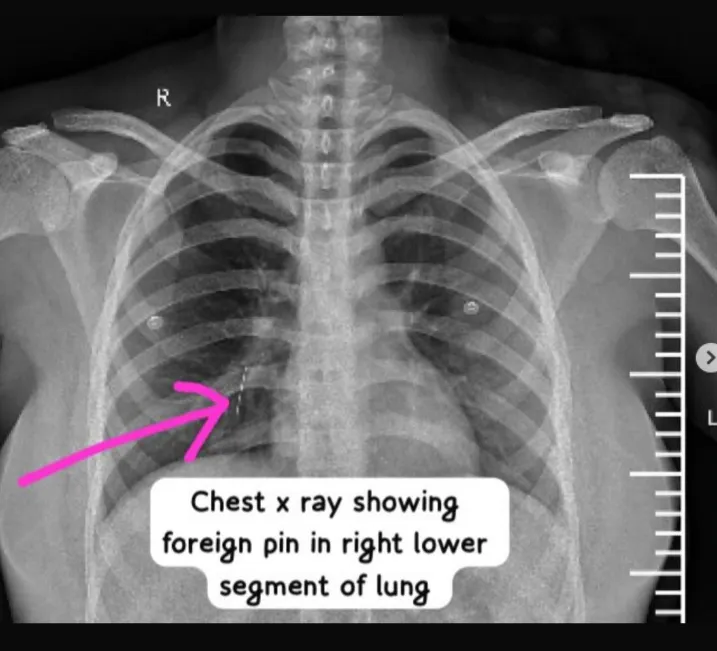
A simple sneeze can sometimes trigger an unexpected medical emergency. Recently, the Department of Pulmonary Medicine at Lopmudra Meera Multispeciality Hospital, Pune. managed a planned foreign body removal after a young woman accidentally inhaled a pin.
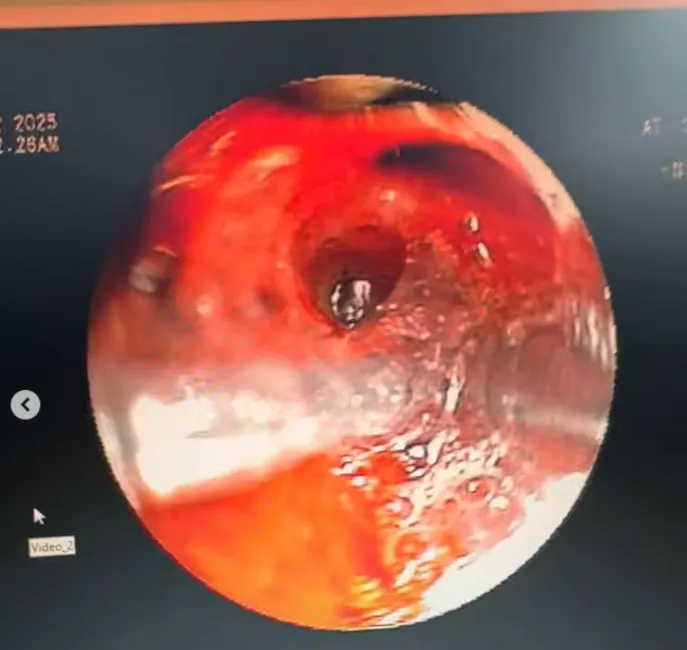
The pin was found lodged in the distal lower airway of the right lung, which required careful evaluation, coordination, and precision. After a detailed virtual bronchoscopy study along with a radiologist, the pin was identified and mapped. During bronchoscopy, with an anesthetist present for airway safety, the pin was successfully removed using forceps under fluoroscopy guidance.
This case highlights why timely medical attention and expert planning are essential in airway foreign body emergencies.
Clinical expertise: Dr. Sneha Tirpude
This procedure was managed under the care of Dr. Sneha Tirpude, Consultant Pulmonologist at Lopmudra Hospital.
DNB – Tuberculosis & Respiratory Diseases / Pulmonary Medicine
Experience: 17 Years She specializes in lung disorders, bronchoscopy, sleep medicine, allergy treatment, and drug allergy testing. She is internationally trained and has completed an allergy fellowship under renowned guidance at King’s College London, UK. She is also a former Assistant Professor and has extensive experience in evidence-based respiratory care.
Real Image Of Patient While The Treatment
Why pin inhalation is a medical emergency
A pin (or any sharp object) inside the airway is high-risk because it can:
Injure the airway lining and cause bleeding
Move further into smaller airways and become difficult to retrieve
Trigger infection, persistent cough, wheezing, or even collapse of a lung segment
Cause sudden breathing difficulty in rare cases
Even if the person feels “fine” after the event, a lodged foreign body can silently cause complications. That’s why early assessment matters.
Symptoms to watch for after suspected inhalation
If you suspect you inhaled a small object (pin, seed, nut, tiny plastic part), seek medical help—especially if you notice:
Sudden coughing that doesn’t settle
Wheezing, especially on one side
Chest discomfort or an unusual “pricking” sensation
Recurrent fever or chest infections after the incident
Breathlessness or reduced stamina
How we planned and performed safe removal
Because the pin was located in the distal lower airway, the team followed a stepwise, safety-first approach:
1) Virtual bronchoscopy + radiology planning
A virtual bronchoscopy study helps visualize the airway route and location before the bronchoscopy begins—especially useful when the foreign body is deep in the lung.
2) Bronchoscopy in a controlled setup (with anesthetist support)
Bronchoscopy allows direct visualization of the airways and is a standard minimally invasive method to remove inhaled foreign bodies. An anesthetist’s presence adds an extra layer of safety for airway control.
3) Fluoroscopy guidance for precision
Fluoroscopy (real-time imaging) helps confirm the pin’s position and supports accurate removal—particularly valuable for sharp or metallic objects lodged deep in the airway.
4) Forceps retrieval
Once the pin was visualized, it was carefully grasped with forceps and removed with controlled technique to minimize airway trauma.
Recovery and aftercare: what patients are usually advised
After foreign body removal, patients are typically monitored for:
Comfortable breathing and oxygen levels
Temporary cough or throat irritation
Any signs of bleeding or infection
Need for medicines and follow-up, as advised by the treating doctor
The exact recovery plan depends on the foreign body type, location, and airway condition after removal.
Prevention: avoid holding pins in your mouth
Pins are often held between lips during scarf/dupatta pinning or tailoring. Simple precautions can prevent accidents:
Use a pin cushion or magnetic pin holder
Avoid holding pins in the mouth—even “for a second”
Keep sharp objects away from children
If a pin slips into the mouth, avoid sudden talking/laughing—remove it calmly
Frequently Asked Questions
1) What should I do immediately if I think I inhaled a pin?
Seek emergency medical care. Avoid home remedies or forceful coughing attempts. Imaging and clinical evaluation guide safe removal.
2) Can a pin really reach the lung after a sneeze?
Yes. Sudden reflex inhalation during a sneeze or gasp can draw a small object into the airway, where it may lodge in a bronchus.
3) Is bronchoscopy painful?
Bronchoscopy is done with appropriate sedation/anesthesia. Mild throat irritation or cough afterward is common and usually temporary.
4) Why use fluoroscopy guidance during removal?
Fluoroscopy helps with real-time location confirmation and precision—especially when the object is metallic, sharp, or lodged deep.
5) When should I suspect a missed foreign body?
If cough, wheeze, fever, or repeated chest infections continue after a choking/inhalation episode, consult a pulmonologist for evaluation.
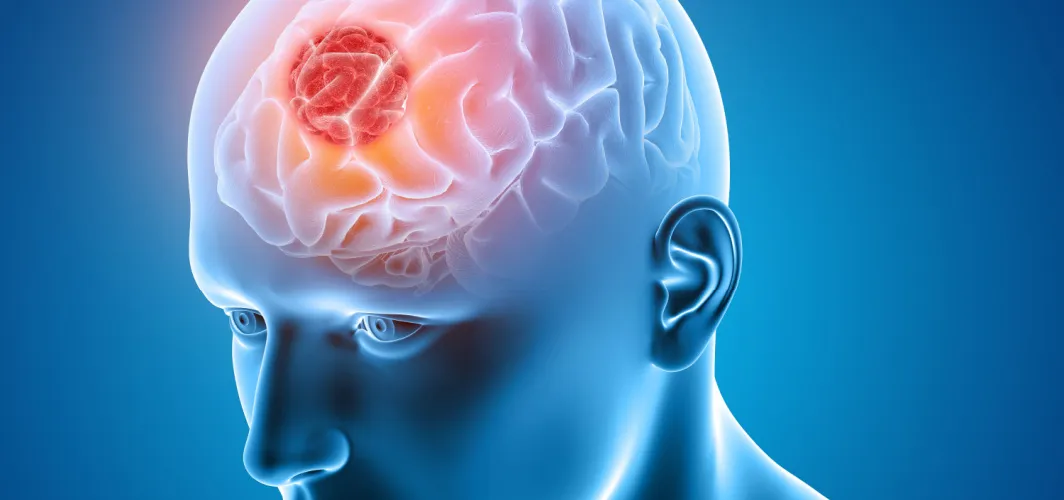
Your brain is never truly silent. When something is wrong, it often sends early warning signals – subtle, sometimes easy-to-dismiss changes in movement, speech, vision, hearing or sensation.
In a recent podcast short, Dr Vishal Bhasme, Consultant & Head – Neurosurgery & Spine atLopmudra Meera Hospital, Pune, explains why these early neurological symptoms should never be ignored, especially when a tumour is located near the brain’s eloquent cortex – the regions that control critical functions like movement, speech, vision, hearing and sensation.
When recognised early and evaluated promptly, brain tumours are often more treatable, with a better chance of preserving function and improving long-term outcomes.
Early Brain Tumour Signs You Should Never Ignore | Dr Vishal Bhasme
Why Early Brain Tumour Symptoms Matter
Not all brain tumours are cancerous. Some are benign but located in critical (eloquent) brain areas, where even a small mass can disrupt important functions.
When a tumour grows near these regions, it may cause early, localised symptoms such as:
Sudden weakness in a hand, arm, leg or one side of the body
Difficulty speaking or understanding speech
New or worsening vision problems
Hearing changes or ringing in one ear
Numbness, tingling or unusual “electric shock” sensations in a limb
These subtle changes are often the most life-saving clues – if you act on them quickly instead of waiting for them to go away on their own.
Ignoring early neurological symptoms can cost precious time. Early diagnosis typically means simpler surgery, better functional outcomes and a higher chance of cure or long-term control.
Early Brain Tumour Signs You Should Never Ignore
Only a doctor can diagnose a brain tumour, but you should seek urgent neurological evaluation if you or a loved one experiences any of the following, especially if new, progressive or unexplained:
1. Sudden Weakness or Loss of Coordination
Weakness in an arm, leg, or one side of the body
Dropping objects frequently from one hand
Difficulty walking straight, frequent tripping or imbalance
This may suggest a lesion affecting the motor cortex – the area controlling movement.
2. New or Worsening Vision Problems
Blurred or double vision
Loss of vision in one eye or in one side of the visual field
Bumping into objects on one side
Tumours near the visual pathways or occipital lobe can present with these early changes.
3. Difficulty Speaking or Understanding Speech
Struggling to find words
Slurred or unclear speech
Difficulty understanding simple sentences
These may indicate involvement of key speech areas in the brain.
4. New Seizures or Fits
First-time seizure in an adult
Episodes of staring, unresponsiveness or jerking of one limb
Unusual smells, tastes or sensations followed by confusion
New-onset seizures in adults always need prompt evaluation, as brain tumours are one of the important possible causes.
5. Persistent or Progressive Headache
Not every headache means a tumour, but warning features include:
Headache that is worse in the morning
Headache that progressively increases over days or weeks
Associated vomiting, vision changes or personality change
Persistent, treatment-resistant headaches with other neurological symptoms should be taken seriously and assessed by a specialist.
6. Changes in Behaviour, Personality or Memory
Increased irritability, apathy or sudden mood swings
Difficulty planning, organising or making decisions
Short-term memory problems
These may be signs of tumours affecting the frontal lobes, which control behaviour and executive functions.
Why Ignoring Early Symptoms Can Be Dangerous
Ignoring early neurological symptoms can lead to:
Larger tumour at the time of diagnosis
Increased pressure inside the skull
Permanent damage to critical brain areas
More complex surgery with higher risk
Reduced chances of complete removal or optimal control
On the other hand, early diagnosis allows:
Better planning of surgery or radiosurgery
Greater chance of preserving speech, movement, vision and cognitive function
Improved long-term survival and quality of life
The key message: don’t normalise or “wait out” new neurological symptoms. Get them checked.
How Brain Tumours Are Diagnosed
If a brain tumour is suspected, your neurosurgeon or neurologist may advise:
MRI brain (with contrast) – the gold standard to visualise brain tumours
CT scan – useful in emergencies or as an initial screening
Functional MRI / tractography – to map speech, movement and visual pathways before surgery in tumours located near eloquent areas
Biopsy or surgical removal – to determine the exact type and grade of tumour
At Lopmudra Meera Hospital, Pune, patients can receive initial evaluation, stabilisation, and coordinated referrals for advanced imaging and treatment planning with Dr Vishal Bhasme and associated centres when needed.
Brain Tumour Treatment at Lopmudra Meera Hospital, Pune
Treatment depends on:
Type (benign vs malignant)
Size and location
Grade (how aggressive the tumour is)
Patient’s age and overall health
Common treatment options:
Microsurgical removal of tumour (craniotomy)
Minimally invasive / endoscopic surgery for selected lesions
Radiotherapy or radiosurgery (e.g., Gamma Knife / CyberKnife at partnering centres)
1. Are sudden weakness and vision changes an emergency sign of a brain tumour?
Yes. Sudden weakness, difficulty speaking, vision loss or new seizures are red-flag neurological symptoms. While they can also occur in conditions like stroke or infections, a brain tumour near the eloquent cortex is one possibility. You should seek immediate emergency evaluation at a hospital with neurology and neurosurgery services, such as Lopmudra Meera Hospital, Camp–Swargate, Pune.
2. What is the best test to check if I have a brain tumour?
The most informative test is usually an MRI of the brain with contrast, which provides detailed images of brain structures and tumours. In acute emergencies, a CT scan may be done first. Your doctor will decide which test is appropriate based on your symptoms, age and overall condition.
3. Is brain tumour surgery safe if the tumour is near areas controlling speech or movement?
Surgery near eloquent brain areas is complex but often feasible in experienced hands. Modern neurosurgery uses tools like:
Neuronavigation (GPS-like guidance)
Operating microscopes
Intra-operative monitoring of nerves and pathways
Functional imaging to map critical areas
These techniques help surgeons remove as much tumour as possible while preserving speech, movement and other vital functions. Your neurosurgeon will discuss the specific risks and benefits in your case.
4. Which is the best hospital in Pune for brain tumour surgery?
The “best” hospital depends on your specific condition, but you should look for:
An experienced neurosurgeon with brain tumour expertise
Good neuro-ICU support and neurosurgical operation theatre
Access to MRI and advanced imaging
A multidisciplinary team including neurology, oncology and rehabilitation
Lopmudra Meera Hospital, in association with senior neurosurgeon Dr Vishal Bhasme, offers comprehensive evaluation and coordinated care pathways for brain tumour patients in and around Pune.
5. If my MRI is normal but symptoms persist, should I still follow up?
Yes. Not all neurological symptoms are caused by brain tumours, and some conditions may evolve over time. If your MRI is normal but symptoms persist, change or worsen, you should continue follow-up with your neurologist or neurosurgeon. They may repeat imaging after a suitable interval or investigate other possible causes like migraines, demyelinating diseases, metabolic or psychological conditions.
Take-Home Message: Listen to Your Brain’s Early Warnings
Early, localised neurological symptoms – weakness, speech problems, visual changes, seizures – can be the first and most important clues to a brain tumour.
Ignoring or self-medicating these signs can delay diagnosis and limit treatment options.
Early neurosurgical evaluation at a specialised centre greatly improves the chances of preserving brain function and achieving better outcomes.
If you or someone you care about is experiencing worrying neurological symptoms, don’t delay.
Early diagnosis, timely treatment and expert neurosurgical care can change the entire story.
Polycystic Ovarian Disease (PCOD) is a condition that affects many women worldwide, causing a range of symptoms such as irregular periods, hormonal imbalances, weight gain, and acne. One of the most significant concerns surrounding PCOD is how it can impact fertility. If left untreated, it can also lead to long-term health complications, including diabetes, heart disease, and weight-related issues.
In this blog, Dr. Archana Salve, Consultant & Head – OBGYN & IVF at Lopmudra Hospitals, Pune, explains how PCOD affects fertility, the long-term risks associated with this condition, and how timely treatment can make a big difference in managing your reproductive health.
Watch Dr. Archana Salve’s video on PCOD here
What is PCOD and How Does It Affect Fertility?
PCOD, also known as Polycystic Ovary Syndrome (PCOS), is a hormonal disorder that affects a woman’s ovaries, making it difficult for them to release eggs regularly. This is known as anovulation. When ovulation does not occur as expected, it leads to irregular or absent periods and difficulty conceiving.
Women with PCOD often have multiple small cysts on their ovaries, leading to hormonal imbalances such as higher levels of testosterone (male hormones) and insulin resistance, which can disrupt normal ovulation. As a result, it becomes challenging to get pregnant without medical intervention.
PCOD and Fertility: Can I Get Pregnant?
The short answer is yes, it is possible to get pregnant with PCOD. However, it often requires timely diagnosis and treatment to manage the condition effectively.
At Lopmudra Hospitals, we use medications and fertility treatments to help stimulate ovulation and regulate the menstrual cycle. Common treatments include:
Ovulation-inducing medications like Clomiphene citrate and Letrozole
In vitro fertilization (IVF) for women who do not respond to oral medications
Lifestyle changes, including diet and exercise, to improve insulin sensitivity
In many cases, women with PCOD can successfully conceive with proper medical guidance and care.
What Are the Long-Term Effects of PCOD?
If left untreated, PCOD can lead to several long-term health complications. Some of the most common risks include:
1. Increased Risk of Diabetes
Women with PCOD are more likely to develop insulin resistance, a condition where the body becomes less responsive to insulin. This can lead to type 2 diabetes later in life.
2. Heart Disease
Studies have shown that women with PCOD may be at higher risk of high blood pressure and high cholesterol, which can increase the risk of heart disease.
3. Weight-Related Issues
PCOD often leads to weight gain, especially around the abdomen. This is due to hormonal imbalances and insulin resistance. If left unmanaged, this can further contribute to diabetes and heart disease.
4. Endometrial Cancer
Due to irregular periods, women with PCOD may have infrequent shedding of the uterine lining. This can increase the risk of endometrial cancer in the long term if the condition is not treated.
5. Sleep Apnea
PCOD can contribute to sleep apnea, especially in women who are overweight. This condition can cause disrupted sleep, leading to fatigue, headaches, and other health issues.
How Does PCOD Affect Fertility?
PCOD affects fertility in the following ways:
1. Irregular Ovulation
The lack of regular ovulation due to hormonal imbalances in PCOD is the main factor behind infertility in affected women.
2. Hormonal Imbalances
Higher levels of testosterone can prevent the ovaries from producing eggs regularly, which disrupts the menstrual cycle and fertility.
3. Ovarian Cysts
Small cysts may form on the ovaries, preventing the normal release of eggs. These cysts are non-cancerous but contribute to irregular cycles.
4. Endometrial Lining
Irregular periods can also cause the endometrial lining to thicken abnormally, making it harder for an embryo to implant in the uterus.
Can PCOD Be Cured Permanently?
Currently, PCOD cannot be cured permanently. However, the condition can be managed effectively with lifestyle changes, medications, and fertility treatments. Early intervention plays a significant role in preventing the long-term complications associated with PCOD.
With the right treatment plan, many women with PCOD are able to manage symptoms and lead healthy, fulfilling lives.
How to Cure PCOD Problem Permanently?
While PCOD cannot be cured completely, its symptoms can be controlled and managed with the following:
Medications:
Oral contraceptives to regulate periods
Metformin to address insulin resistance
Clomiphene citrate for ovulation induction
Lifestyle Modifications:
Maintaining a healthy weight through diet and exercise
Reducing stress and maintaining a balanced lifestyle
Regular monitoring of blood sugar and cholesterol levels
IVF Treatments: For women with severe PCOD and infertility, IVF may be an option to achieve pregnancy. Dr. Archana Salve at Lopmudra Hospitals provides comprehensive IVF services for women struggling with PCOD.
PCOS Infertility Rate: Can You Get Pregnant?
The infertility rate in women with PCOS varies, but with proper medical care, many women can conceive successfully. According to studies, approximately 70-80% of women with PCOD respond well to fertility treatments like Clomiphene or Letrozole.
Frequently Asked Questions
1. What are the long-term effects of PCOD?
If left untreated, PCOD can increase the risk of diabetes, heart disease, weight issues, endometrial cancer, and sleep apnea.
2. How does PCOD affect fertility?
PCOD affects fertility by causing irregular ovulation, hormonal imbalances, and the formation of ovarian cysts, which make it harder to conceive.
3. Can I get pregnant if I had PCOD?
Yes, many women with PCOD can conceive with medications, lifestyle changes, and sometimes IVF treatments, depending on the severity of the condition.
4. Can PCOD be cured permanently?
PCOD cannot be cured permanently, but its symptoms can be managed through medications, lifestyle changes, and fertility treatments.
5. How to cure PCOD problem permanently?
While there is no permanent cure, PCOD can be managed with medications, dietary changes, and regular physical activity. In some cases, IVF is also an option for those struggling with infertility.
6. What is the PCOS infertility rate?
The infertility rate in women with PCOS is high, but with proper treatment, about 70-80% of women can conceive with medications like Clomiphene and Letrozole.
Why Choose Lopmudra Hospitals for PCOD Treatment?
At Lopmudra Hospitals, our dedicated OBGYN & IVF Centre provides comprehensive care for women dealing with PCOD. Dr. Archana Salve, a leading consultant in OBGYN and IVF, brings years of expertise in managing fertility issues related to PCOD and other reproductive health concerns.
We offer:
Personalized treatment plans for PCOD and infertility
IVF services for women struggling with conception
Comprehensive fertility evaluations and consultations
Compassionate care for women at every stage of life
Book a Consultation with Dr. Archana Salve
If you are concerned about PCOD or fertility issues, don’t wait to get help. Early treatment can prevent complications and improve your chances of pregnancy.
To book an appointment with Dr. Archana Salve at Lopmudra Hospitals, Pune, please contact us:
📞 Phone / WhatsApp: +91 83780 22022 | +91 83790 33033 📧 Email: contact@lopmudrahospitals.com 🌐 Website: Visit lopmudrahospitals.com for more information