Author: Lopmudra_hospital

  • Understanding Common Causes of COPD: Insights from Lopmudra Hospital’s Specialists

    Understanding Common Causes of COPD: Insights from Lopmudra Hospital’s Specialists

    Common Causes of COPD: Understanding This Chronic Condition


    Chronic Obstructive Pulmonary Disease (COPD) is a progressive respiratory condition that affects millions of people worldwide. It primarily leads to difficulty in breathing due to airflow obstruction, causing significant challenges in daily living. Understanding the common causes of COPD is crucial for prevention and management. This blog provides insights into the various factors contributing to this debilitating disease, aiming to educate and empower patients and their families.


    What is COPD?

    COPD encompasses several lung conditions, primarily chronic bronchitis and emphysema, that cause breathing problems. According to the World Health Organization (WHO), COPD is projected to be the third leading cause of death globally by 2030. The condition is often characterized by symptoms such as chronic cough, sputum production, and shortness of breath. It typically develops over years and is often underdiagnosed, especially in the early stages.


    Primary Causes of COPD

    Several risk factors can lead to the development of COPD. Below are the primary causes of this respiratory disease:

    • Smoking: The most significant cause of COPD is cigarette smoking, accounting for approximately 85-90% of cases. The harmful chemicals in tobacco smoke damage lung tissues, leading to chronic inflammation and obstruction.

    • Environmental Pollution: Continuous exposure to outdoor pollutants, such as vehicle exhaust, industrial emissions, and dust can contribute to the development of COPD. Indoor air pollution due to burning fossil fuels for cooking or heating is also a risk factor.

    • Occupational Hazards: Long-term exposure to workplace irritants, including chemical fumes, dust, and vapors, can significantly increase the risk of COPD among certain professions, such as construction workers, miners, and factory employees.

    • Genetic Factors: Alpha-1 Antitrypsin Deficiency is a rare genetic disorder that can cause early onset of COPD. Individuals with this deficiency are at a higher risk of lung damage, primarily when exposed to other harmful factors.


    The Impact of Smoking on COPD

    Smoking is unequivocally the leading cause of COPD, and its effects are cumulative. The inhalation of smoke introduces various toxic substances into the lungs, which leads to chronic inflammation and the destruction of lung tissue over time. Statistics indicate that nearly 50% of long-term smokers develop COPD in their lifetime. This chronic exposure leads to various pathological changes within the lungs, which result in symptoms that initially may be mild but progressively worsen. Quitting smoking can dramatically slow the disease’s progression and improve quality of life, emphasizing the critical role of smoking cessation programs.


    Environmental Factors and COPD Risk

    Environmental factors play a crucial role in the etiology of COPD. In densely populated urban areas like Delhi, the levels of air pollution can be significantly high, exacerbating respiratory conditions. A study showed that individuals living in high pollution zones develop COPD at a higher rate than those in cleaner areas. The particulate matter, ozone, and sulfur dioxide are significant pollutants that contribute to respiratory issues and overall lung decline. Reducing exposure to these environmental triggers entails not just individual efforts but also community initiatives aimed at improving air quality.


    Occupational Risks: A Hidden Danger

    Many individuals might not realize that their workplace can often expose them to harmful substances that contribute to the development of COPD. Occupations that involve exposure to airborne irritants, such as coal mining, metal production, and construction work, put workers at a higher risk. The National Institute for Occupational Safety and Health (NIOSH) highlights the importance of using personal protective equipment (PPE) and improving ventilation in workplaces to mitigate these risks. Employers have a responsibility to ensure a safe working environment, which includes monitoring air quality and minimizing exposure to harmful substances.


    Genetics: Understanding Alpha-1 Antitrypsin Deficiency

    Individuals with a genetic predisposition to COPD often have alterations in the alpha-1 antitrypsin (AAT) protein. This protein acts as a protective mechanism for the lungs and is crucial for limiting damage from inflammation. If someone inherits this deficiency, even minimal exposure to environmental toxins can lead to an increased likelihood of developing COPD. As a result, understanding one’s family medical history can provide essential insights for early diagnosis and preventive measures. Genetic screening for AAT deficiency may be recommended if there is a strong family history of COPD or emphysema.


    Symptoms of COPD: Recognizing the Signs

    Recognizing the symptoms of COPD can be vital for early intervention and management. Commonly reported symptoms include:

    • Chronic Cough: A persistent cough that produces mucus is often the first indicator of COPD.

    • Shortness of Breath: It may occur during physical activities or even at rest as the disease progresses.

    • Wheezing: A whistling or squeaky sound when you breathe can indicate airflow limitations in the lungs.

    • Frequent Respiratory Infections: Individuals with COPD are more susceptible to respiratory illnesses, necessitating timely medical attention.

    It is crucial for individuals experiencing these symptoms to consult healthcare providers, like those at the Lopmudra Hospital Chain, based in Delhi, which offers specialized pulmonary care.


    Diagnosis and Treatment Options

    The diagnosis of COPD involves a combination of patient history, physical examination, and specialized tests like spirometry. Spirometry measures lung function by assessing how much air one can breathe out in one second and how fast. Once diagnosed, treatment may include:

    • Bronchodilators: These medications help relax the muscles around the airways, improving airflow.

    • Inhaled Corticosteroids: To mitigate inflammation and prevent flare-ups, corticosteroids may be prescribed.

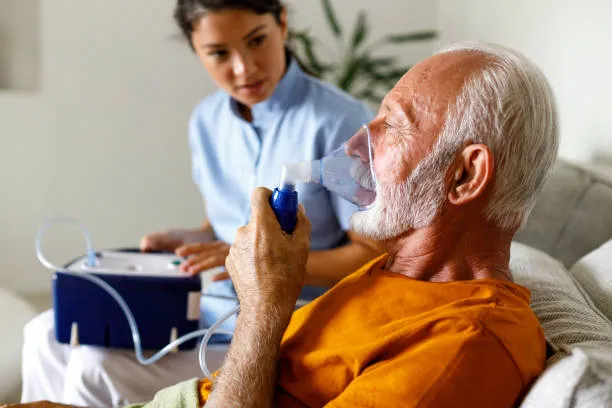
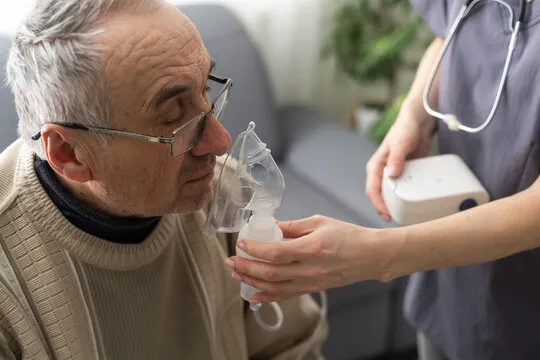
    • Oxygen Therapy: For advanced COPD, supplemental oxygen can help patients breathe better and maintain oxygen levels in the blood.

    Advanced stages of COPD may require surgical intervention, such as lung volume reduction surgery. At Lopmudra Hospital, we provide comprehensive evaluations and tailor a treatment plan that meets each patient’s needs.


    Preventive Measures: Reducing COPD Risk

    While some risk factors, such as genetics, cannot be controlled, many causes of COPD can be mitigated through proactive measures. Here are recommendations to reduce the risk of COPD:

    • Smoking Cessation: Quitting smoking is the most effective way to prevent COPD. Numerous programs and resources are available to assist individuals in this pursuit.

    • Avoiding Pollutants: Reducing exposure to outdoor and indoor pollutants is essential. This may involve using air purifiers, avoiding burning solid fuels, or wearing masks in polluted areas.

    • Regular Health Screenings: Especially for those with occupational hazards or a history of smoking, regular health check-ups can lead to early diagnosis and management of respiratory problems.

    • Vaccinations: Staying updated on vaccinations, like the flu vaccine, can help prevent respiratory infections that complicate COPD.


    Conclusion: Empowerment Through Knowledge

    COPD is a serious yet manageable condition that requires awareness and early intervention. By understanding the common causes of COPD, individuals can take proactive steps to protect their lung health. If you or a loved one is experiencing symptoms associated with COPD or want to learn more about preventive measures, we at Lopmudra Hospital Chain in Delhi encourage you to reach out for professional consultations and screenings.

    This article was written by Dr. Sneha Tirpude, sharing insights based on professional experience in the field.
  • COPD Symptoms: Detailed Guide by Lopmudra Hospital, Pulmonology Specialists

    COPD Symptoms: Detailed Guide by Lopmudra Hospital, Pulmonology Specialists

    What is COPD?


    Chronic Obstructive Pulmonary Disease (COPD) is a progressive lung disease that causes breathing difficulties and affects millions of people worldwide. According to the World Health Organization (WHO), COPD is the third leading cause of death globally. It encompasses various conditions, primarily chronic bronchitis and emphysema. Both conditions result in obstructed airflow from the lungs, making it challenging for individuals to breathe effectively. At Lopmudra Hospital Chain, we offer comprehensive care for COPD to improve the quality of life for our patients in Delhi.

    Understanding COPD is vital not only for those diagnosed but also for family members and caregivers. Early detection, management, and lifestyle modifications can significantly improve the prognosis and help patients lead a more fulfilling life. Our experienced team at Lopmudra is dedicated to providing personalized care plans, ensuring that each patient receives the attention they need.


    Common Symptoms of COPD

    Identifying the symptoms of COPD is crucial for early intervention. Symptoms can vary from mild to severe, and they may worsen over time. Some of the most commonly recognized symptoms include:

    • Chronic Cough: A persistent cough, often accompanied by mucus production, is a hallmark symptom of COPD.

    • Shortness of Breath: Patients often experience a feeling of breathlessness during physical activities, which may progress to difficulty in breathing even at rest.

    • Wheezing: This high-pitched whistling sound often occurs when breathing, especially during exhalation, and indicates narrowed airways.

    • Chest Tightness: Many patients report a feeling of pressure or tightness in the chest, contributing to discomfort and anxiety.

    • Frequent Respiratory Infections: Individuals with COPD may be more susceptible to infections such as pneumonia and bronchitis.

    • Fatigue: Chronic fatigue and a lack of energy can occur due to the body’s strain while trying to breathe effectively.

    If you or a loved one are experiencing these symptoms, it is vital to consult a healthcare professional promptly. Early diagnosis and treatment can help manage the disease effectively.


    Causes and Risk Factors

    The primary cause of COPD is long-term exposure to harmful particles or gases, mainly from smoking, although non-smokers can also develop the disease. Other significant risk factors include:

    • Smoking: Nearly 90% of COPD cases are linked to smoking, making it the primary risk factor. Quitting smoking at any age can significantly reduce symptoms and improve lung function.

    • Air Pollution: Prolonged exposure to air pollution, chemical fumes, and dust, particularly in occupational settings, can lead to the development of COPD.

    • Genetic Factors: A rare genetic disorder called Alpha-1 Antitrypsin Deficiency can also cause COPD, leading to early lung damage.

    • Age: The risk of developing COPD increases with age, especially for individuals who have smoked or have had prolonged exposure to lung irritants.

    Understanding these risk factors is essential for prevention and early management of COPD. At Lopmudra Hospital Chain, our specialists are dedicated to educating patients on lifestyle changes and preventive measures that can significantly reduce the risk of developing COPD.


    Diagnosis of COPD

    Diagnosing COPD typically involves several steps, including a review of medical history, physical examination, and specific diagnostic tests. The following tests may be performed:

    • Spirometry: This pulmonary function test measures how much air you can inhale and exhale and how quickly you can exhale, which is critical for diagnosing COPD.

    • Chest X-ray: An X-ray can help rule out other lung conditions and show the overall health of the lungs.

    • CT Scan: A high-resolution CT scan may be used for more detailed images, helping to evaluate the lungs and detect any abnormalities.

    • Arterial Blood Gas Analysis: This test measures the levels of oxygen and carbon dioxide in your blood, providing insight into lung function.

    After diagnosis, a customized treatment plan will be created to address the specific needs of each patient. Our skilled team at Lopmudra Hospital Chain in Delhi is committed to providing thorough evaluations and effective management plans for COPD patients.


    Treatment Options for COPD

    While there is no cure for COPD, various treatment options can help manage symptoms and improve quality of life. A combination of therapies may be utilized, including:

    • Medications: Inhalers, bronchodilators, and steroids are commonly prescribed to relieve symptoms, reduce inflammation, and improve airflow.

    • Oxygen Therapy: Patients with severe COPD may benefit from supplemental oxygen to help them breathe more comfortably, particularly during physical exertion.

    • Pulmonary Rehabilitation: A tailored program of exercise, education, and support can help patients manage their condition and improve overall lung function.

    • Surgery: In severe cases, surgical options such as lung volume reduction surgery (LVRS) or lung transplantation may be considered to enhance lung function.

    At Lopmudra Hospital Chain, our COPD specialists are dedicated to exploring the most effective treatment strategies tailored to individual patient needs, ensuring optimal management of the disease.


    Lifestyle Modifications for COPD Patients

    Lifestyle changes play an integral role in managing COPD. Incorporating the following healthy habits can significantly impact the disease’s progression and overall well-being:

    • Quitting Smoking: The most effective step to slow disease progression is to cease smoking altogether. Support systems and smoking cessation programs can assist individuals in this process.

    • Regular Exercise: Engaging in regular physical activity can enhance lung function, improve stamina, and promote overall health. A pulmonary rehabilitation program can guide safe exercise practices.

    • Balanced Nutrition: A nutritious diet rich in fruits, vegetables, whole grains, and lean proteins can support lung health and overall body function.

    • Stay Hydrated: Adequate hydration can thin mucus and improve mobility in the airways, aiding in easier breathing.

    • Avoiding Triggers: Identifying and avoiding allergens and pollutants can help reduce COPD flare-ups. Patients should be mindful of environmental conditions and adjust their activities accordingly.

    Adopting these lifestyle changes can lead to significant improvements in daily living for COPD patients. Our team at Lopmudra Hospital Chain in Delhi provides support and resources to assist individuals in implementing these modifications.


    Living with COPD: Coping Strategies

    Living with COPD presents unique emotional and mental challenges due to the chronic nature of the disease. Coping strategies can help individuals manage not only the physical aspects but also the emotional weight of this condition:

    • Education: Understanding COPD empowers patients and their families, aiding them in making informed decisions regarding treatment and care.

    • Support Groups: Engaging with support groups can provide emotional encouragement and allow patients to connect with others who share similar experiences.

    • Stress Management: Techniques such as meditation, deep breathing exercises, or yoga can enhance mental well-being and offer respite from anxiety related to breathing difficulties.

    • Regular Follow-ups: Maintaining communication with healthcare providers ensures ongoing support and allows any concerns or changes in condition to be addressed promptly.

    Our dedicated team at Lopmudra Hospital Chain is here to assist patients not only with medical management but also with emotional and psychological support for navigating life with COPD.


    Importance of Regular Check-ups

    Regular check-ups are essential for managing COPD effectively. These visits provide an opportunity for healthcare professionals to assess lung function, adjust treatment plans, and monitor disease progression. During check-ups, patients can:

    • Review Symptoms: Discuss any new or worsening symptoms with their healthcare team, allowing for timely interventions.

    • Medication Management: Ensure that medications are effective and appropriately dosed to optimize lung function.

    • Monitor for Complications: Early detection of complications related to COPD can prevent hospitalization and improve outcomes.

    • Encourage Adherence: Follow-up appointments encourage adherence to prescribed therapies and lifestyle modifications.

    At Lopmudra Hospital Chain, we prioritize patient health through diligent monitoring and regular follow-up appointments, ensuring continuous support along the COPD management journey.


    Conclusion

    Living with Chronic Obstructive Pulmonary Disease (COPD) can be challenging, but understanding its symptoms, causes, and management options can significantly improve the quality of life for patients. By recognizing the symptoms early, seeking appropriate medical care, making necessary lifestyle changes, and maintaining regular check-ups, individuals can manage their condition effectively.

    At Lopmudra Hospital Chain, we are proud to offer comprehensive support and advanced treatments for COPD. Our dedicated team of specialists is committed to helping patients in Delhi navigate their journey with COPD, empowering them to live healthier and more fulfilling lives. If you are experiencing any symptoms related to COPD or need further information, please contact us at +91 8087122022 or book an appointment online.


    This article was written by Dr. Sneha Tirpude, sharing insights based on professional experience in the field.
  • Understanding the Risks of COPD: Key Information from Lopmudra Hospital Experts

    Understanding the Risks of COPD: Key Information from Lopmudra Hospital Experts

    Understanding COPD: An Overview


    Chronic Obstructive Pulmonary Disease (COPD) is a progressive lung disease characterized by breathing difficulties due to airway blockage. It primarily includes emphysema and chronic bronchitis, leading to reduced airflow and ongoing respiratory problems. At Lopmudra Hospital Chain, we recognize the importance of understanding the risks associated with COPD to ensure early diagnosis and management. In this article, we will delve into the risks of COPD, encouraging individuals to recognize symptoms early on and seek appropriate treatment.


    What Causes COPD?

    COPD primarily results from long-term exposure to irritants that damage the lungs and airways. The leading cause is tobacco smoking, but other factors also play a role, such as:

    • Air Pollution: Prolonged exposure to pollutants such as dust, chemicals, and fumes can lead to the development of COPD.

    • Genetic Factors: In some cases, genetics may predispose individuals to lung conditions, with Alpha-1 antitrypsin deficiency being a notable inherited cause.

    • Occupational Exposure: Jobs involving exposure to harmful substances, such as coal mining and construction, can elevate the risk.

    Understanding these causes allows for preventive measures, particularly for those residing in areas like Delhi, where air pollution levels can be significantly high.


    Common Symptoms of COPD

    Recognizing symptoms early can significantly impact the management of COPD. Common symptoms include:

    • Chronic Cough: A persistent cough that may produce mucus is often the first sign of COPD.

    • Shortness of Breath: Difficulty in breathing, especially during physical activities, is a primary symptom.

    • Chest Tightness: Patients may experience a sensation of tightness in the chest.

    • Frequent Respiratory Infections: Individuals with COPD are more susceptible to respiratory infections.

    If you experience these symptoms, it’s crucial to consult healthcare providers at Lopmudra Hospital Chain for evaluation.


    Risks Associated with COPD

    COPD poses serious health risks that can diminish quality of life. Here are significant risks associated with the disease:

    • Reduced Lung Function: As COPD progresses, lung function declines, restricting the amount of air that can be expelled, which can lead to severe breathing difficulties.

    • Increased Risk of Heart Problems: COPD increases the risk of heart disease, heart attack, and stroke due to the oxygen deficiency and increased pressure in the heart’s blood vessels.

    • Pneumonia and Respiratory Infections: People with COPD are more vulnerable to pneumonia, which can exacerbate symptoms and lead to hospitalizations.

    • Chronic Fatigue: Constant struggle for breath can lead to significant energy expenditure, resulting in chronic fatigue and reduced physical activity.

    • Comorbid Conditions: Individuals with COPD are often affected by other chronic diseases such as diabetes, high blood pressure, and osteoporosis.

    Being aware of these risks enables patients and their families to actively engage in management strategies and early interventions at local healthcare facilities, especially in regions like Delhi.


    Treatment Options for COPD

    While there is no cure for COPD, various treatments can help manage symptoms and improve quality of life:

    • Bronchodilators: These medications relax the muscles of the airways to improve airflow and decrease breathing difficulties.

    • Inhaled Corticosteroids: These drugs reduce inflammation in the airways and are particularly helpful for individuals experiencing frequent exacerbations.

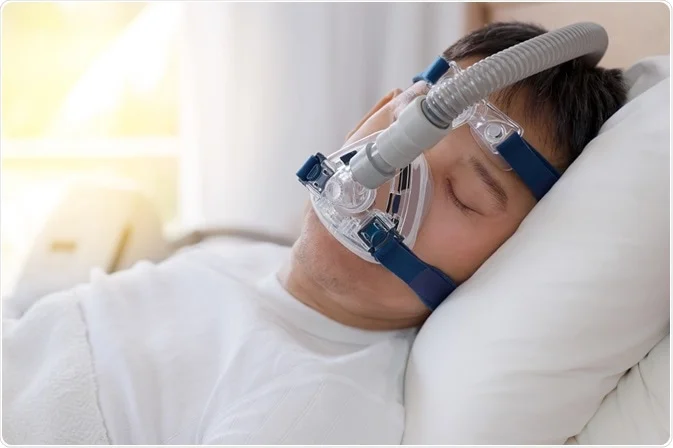
    • Oxygen Therapy: For those with severe COPD, supplemental oxygen can help ease breathing and improve oxygen levels in the blood.

    • Pulmonary Rehabilitation: This program combines education, exercise, and support; it helps patients with COPD manage their condition effectively.

    • Surgery: In severe cases, surgical options like lung volume reduction surgery or a lung transplant may be considered.

    Consulting with specialists at Lopmudra Hospital Chain can help customize treatment plans to suit individual needs, enhancing overall wellbeing in COPD patients.


    Lifestyle Changes for COPD Management

    Incorporating lifestyle changes plays a critical role in managing COPD effectively. Consider the following modifications:

    • Quit Smoking: Smoking cessation is paramount in halting the disease’s progression and enhancing lung function.

    • Regular Exercise: Engaging in physical activities tailored to individual abilities can improve lung health and overall fitness.

    • A Healthy Diet: Eating a balanced diet rich in antioxidants can support immune function and overall health.

    • Stay Hydrated: Proper hydration helps thin mucus and eases its clearance from the respiratory tract.

    • Avoid Allergens: Recognizing and avoiding allergens can help manage flare-ups and improve breathing.

    By adopting these changes, patients living in Delhi can significantly improve their quality of life and manage symptoms effectively.


    Conclusion: The Importance of early Diagnosis

    In conclusion, understanding the risks associated with COPD is crucial for patients and their loved ones. Early diagnosis and intervention lead to better health outcomes and improved quality of life. If you or a loved one experiences any symptoms associated with COPD, it is vital to consult with healthcare professionals at Lopmudra Hospital Chain. Our commitment to providing high-quality care ensures that patients receive personalized treatment plans tailored to their needs.

    Don’t wait for symptoms to worsen; early action is key to managing COPD effectively, allowing you to breathe easier and live life to the fullest.


    This article was written by Dr. Sneha Tirpude, sharing insights based on professional experience in the field.

  • Understanding Stages of COPD: When is Oxygen Therapy Necessary? | COPD Care at Lopmudra Hospital

    Understanding Stages of COPD: When is Oxygen Therapy Necessary? | COPD Care at Lopmudra Hospital

    What is COPD and why does it matter?


    Chronic Obstructive Pulmonary Disease (COPD) is a group of progressive lung diseases, primarily chronic bronchitis and emphysema, which cause breathing difficulties. According to the World Health Organization (WHO), COPD is the third leading cause of death globally, affecting more than 250 million people worldwide. It is characterized by airflow limitation due to an inflammatory response to noxious particles or gases, primarily from cigarette smoke.

    At Lopmudra Hospital Chain, we understand the complexities of COPD and the impact it can have on daily life, especially in urban areas like [City]. It is vital for patients, caregivers, and healthcare providers to recognize the stages of COPD, particularly when it relates to the need for supplemental oxygen therapy, which can significantly improve quality of life.


    Understanding the stages of COPD

    COPD typically progresses through four distinct stages, defined by the Global Initiative for Chronic Obstructive Lung Disease (GOLD). These stages are classified based on the severity of symptoms, lung function measurements, and the frequency of acute exacerbations.

    • Stage 1 – Mild COPD: At this stage, patients may experience occasional shortness of breath during exertion but generally do not qualify for treatment. Lung function is mainly normal, and symptoms might be mild or unnoticed.

    • Stage 2 – Moderate COPD: Patients may start to notice breathlessness during regular activities. This is where many begin to seek help; spirometry tests would show a reduction in airflow.

    • Stage 3 – Severe COPD: Symptoms worsen, with chronic cough and frequent respiratory infections. Patients often find it challenging to perform everyday activities, and lung function declines further.

    • Stage 4 – Very Severe COPD: This is the end-stage of the disease, with severe limitations on airflow and persistent symptoms that greatly affect quality of life. Hospitalizations become common at this stage.

    Recognizing these stages can help patients and healthcare providers make informed decisions regarding treatment protocols and the potential need for supplemental oxygen.


    When does COPD require oxygen therapy?

    Oxygen therapy becomes a consideration as COPD progresses, particularly when the disease reaches Stage 3 or higher. Patients at this stage typically experience a significant decline in lung function that can lead to hypoxemia, a condition where there is a deficiency of oxygen in the blood.

    Supplemental oxygen is recommended when:

    • Oxygen saturation levels are below 88%: This is measured through a simple non-invasive test called pulse oximetry.

    • Patients experience symptoms of low oxygen: These symptoms include confusion, rapid heartbeat, breathing difficulties, and extreme fatigue.

    • During physical exertion: Patients might experience significant breathlessness during normal activities, even at low levels of exertion.

    In such cases, healthcare providers at Lopmudra Hospital Chain work closely with patients to develop personalized oxygen therapy plans, ensuring the levels meet individual needs while promoting the highest possible quality of life.


    Alternatives to Oxygen Therapy

    While oxygen therapy can be essential for individuals with severe COPD, several alternative strategies and treatments can help manage symptoms and improve overall well-being:

    • Bronchodilators: These inhaled medications help expand the airways, making it easier to breathe. They may come in short-acting or long-acting forms depending on the patient’s needs.

    • Corticosteroids: Taken orally or inhaled, these medications reduce inflammation in the airways and can help improve lung function.

    • Pulmonary Rehabilitation: This comprehensive program includes exercise training, nutritional counseling, and education, enabling patients to better manage their condition and improve their stamina.

    Our team at Lopmudra Hospital Chain emphasizes a holistic approach to COPD management, especially for patients who may not yet require oxygen therapy, offering support and education to maintain optimal lung health.


    Lifestyle Modifications for COPD Patients

    Treating COPD is not solely reliant on medication or therapy; significant lifestyle changes can also provide substantial benefits for patients. Here are several modifications individuals can consider to enhance their health:

    • Quit Smoking: This is vital for halting progression. Even former smokers who have quit can experience notable improvements in lung function.

    • Regular Exercise: Physical activity tailored to the individual’s capacity can greatly improve quality of life and lung function.

    • Healthy Diet: Consuming a balanced diet rich in antioxidants can help enhance immune function and reduce inflammation.

    • Breathing Techniques: Techniques such as pursed lip breathing can help maximize air exchange and alleviate dyspnea.

    Our experts at Lopmudra Hospital Chain are available to assist patients in crafting personalized wellness plans that incorporate these essential lifestyle modifications.


    Recognizing the Signs of Excacerbations

    Understanding and recognizing acute exacerbations is crucial for patients with COPD, as these episodes can dramatically impact overall lung health and increase the likelihood of hospitalization. Common triggers for exacerbations include viral infections, allergens, and environmental irritants.

    • Increased Shortness of Breath: A noticeable change in baseline breathlessness often signifies an exacerbation.

    • Worsening Cough: An increase in the frequency or severity of coughing may indicate an exacerbation.

    • Change in Sputum: Changes in color, quantity, or consistency can indicate an acute flare-up.

    At Lopmudra Hospital Chain, our healthcare team is equipped to promptly manage these exacerbations, ensuring that patients receive timely and appropriate interventions to mitigate severity and improve outcomes.


    Seeking Professional Help and Schedule Regular Check-Ups

    For patients with COPD, ongoing monitoring and consistent communication with healthcare providers are essential. Regular check-ups allow for adjustments in treatment plans and early identification of potential complications.

    It is advisable to consult a healthcare provider if one experiences any of the above signs of exacerbation, difficulty managing current symptoms, or if overall health seems to decline. At Lopmudra Hospital Chain, we encourage patients to schedule appointments at their convenience, whether for routine check-ups or immediate concerns, to ensure comprehensive and continuous care. You can also reach us at +918087122022 for assistance.


    Conclusion

    Coping with COPD can be daunting, but knowing when supplemental oxygen is necessary and recognizing the various stages of the disease can empower patients to take control of their health. At Lopmudra Hospital Chain, our team is dedicated to supporting patients through every step of their COPD journey. We offer a range of services designed to improve lung health, including pulmonary rehabilitation and personalized treatment plans tailored to individual needs.

    Understanding your condition, recognizing symptoms that require medical intervention, and maintaining regular communication with healthcare professionals are vital for achieving the best possible outcomes. As a patient-centric facility located in [City], we are committed to providing top healthcare services to improve the quality of life for those living with COPD.

    This article was written by Dr. Sneha Tirpude, sharing insights based on professional experience in the field.

  • Pulmonary Fibrosis vs. COPD: Understanding Differences & Treatments – Lopmudra Hospital

    Pulmonary Fibrosis vs. COPD: Understanding Differences & Treatments – Lopmudra Hospital

    Are Pulmonary Fibrosis and COPD the Same?


    Pulmonary fibrosis and Chronic Obstructive Pulmonary Disease (COPD) are two respiratory conditions that can significantly impact a person’s quality of life. Although they may share some similarities in terms of symptoms, they are distinct diseases with different causes, mechanisms, and treatment options. In this article, we aim to explore what pulmonary fibrosis and COPD are, how they differ, their symptoms, causes, diagnoses, treatments, and lifestyle adaptations. With the knowledge provided here, we hope to empower patients and their families to make informed decisions about care and management.


    Understanding Pulmonary Fibrosis

    Pulmonary fibrosis is a lung disease that occurs when lung tissue becomes damaged and scarred. This thickening and stiffening of tissue ultimately makes it difficult for your lungs to work properly, compromising the ability to breathe and reducing oxygen supply in the body. As the fibrosis progresses, patients may experience increasing levels of shortness of breath and a chronic dry cough.

    The exact cause of pulmonary fibrosis isn’t always clear. However, some contributing factors may include:

    • Age: It primarily affects individuals in their 60s and older.
    • Occupational exposure: Long-term exposure to harmful substances such as asbestos, silica dust, or other environmental pollutants can contribute to lung scarring.
    • Smoking: Cigarette smoking is a significant risk factor, as it can exacerbate lung damage.
    • Genetic factors: In some cases, inherited conditions may play a role.
    • Other medical conditions: Certain diseases like rheumatoid arthritis or scleroderma may also contribute to pulmonary fibrosis.

    The prognosis for pulmonary fibrosis varies. Early diagnosis and intervention through support and treatment can improve the quality of life. However, in advanced stages, it may lead to significant complications, including respiratory failure.


    Understanding COPD

    Chronic Obstructive Pulmonary Disease (COPD) is a chronic lung disease that obstructs airflow and makes it difficult to breathe. The two most common conditions classified under COPD include emphysema and chronic bronchitis. Patients with COPD often experience chronic cough, increased mucus production, and shortness of breath that worsens over time.

    The primary cause of COPD is long-term exposure to irritants and toxins, especially from cigarette smoke. Other contributing factors can include:

    • Air quality: Long-term exposure to air pollution, chemical fumes, or dust can lead to lung damage.
    • Genetic conditions: A rare genetic disorder known as alpha-1 antitrypsin deficiency can increase the risk of developing COPD.
    • History of respiratory infections: Frequent respiratory infections in childhood can also lead to a higher risk.

    The management of COPD includes lifestyle changes, medication, pulmonary rehabilitation, and in advanced cases, the potential for lung transplant. While COPD is progressive, early diagnosis and a proactive approach can help slow its progression and enhance the quality of life.


    Key Differences Between Pulmonary Fibrosis and COPD

    Feature Pulmonary Fibrosis COPD
    Definition Scarring of lung tissue leading to limited airflow Chronic lung disease causing obstructed airflow
    Causes Idiopathic, occupational exposure, smoking, genetics Cigarette smoking, air pollutants, genetics
    Symptoms Shortness of breath, dry cough Chronic cough, mucus production, shortness of breath
    Treatment Medications (steroids), oxygen therapy, lung transplant Medications (bronchodilators), pulmonary rehabilitation

    Diagnosis and Management

    Accurate diagnosis for both pulmonary fibrosis and COPD involves a detailed medical history, physical examinations, and various diagnostic tests, including:

    • Imaging tests: Chest X-rays and CT scans can visualize abnormalities in lung structure.
    • Pulmonary function tests: Spirometry measures how well the lungs work by assessing airflow and lung capacity.
    • Blood tests: These may help diagnose underlying conditions and assess oxygen levels.

    Once a diagnosis is made, management involves tailored treatment plans based on the severity of the disease. At Lopmudra Hospital Chain, we are equipped with modern facilities to undertake comprehensive diagnostics for respiratory conditions, ensuring our patients receive the best of care.


    Treatment Options for Pulmonary Fibrosis

    While there is currently no cure for pulmonary fibrosis, several treatment options can facilitate symptom management and improve the quality of life:

    • Medications: Anti-inflammatory medications and corticosteroids can help alleviate symptoms and slow down the disease progression.
    • Oxygen therapy: Supplemental oxygen can support those with low blood oxygen levels, making it easier to breathe.
    • Lung rehabilitation: Patient-centered programs that provide education, physical training, nutritional advice, and psychological support.
    • Lung transplantation: In advanced stages, a lung transplant may be the only option available for eligible patients.

    As a multi-speciality hospital in Delhi, Lopmudra Hospital Chain is committed to providing the latest in treatment and care for lung diseases, with a patient-first approach.


    Treatment Options for COPD

    COPD management primarily focuses on relieving symptoms and improving quality of life, using approaches such as:

    • Medications: Bronchodilators, inhaled steroids, and combination inhalers can relieve symptoms and facilitate breathing.
    • Pulmonary rehabilitation: A program designed to educate and improve the physical well-being of COPD patients.
    • Oxygen therapy: Like pulmonary fibrosis, patients with COPD may also benefit from supplemental oxygen, especially in advanced stages.
    • Surgery: In certain cases, surgical options such as lung volume reduction surgery or lung transplants may be recommended for severe COPD patients.

    In terms of cost management, the treatment of respiratory diseases at hospitals in Delhi, such as Lopmudra Hospital Chain, is structured to be accessible for a wide range of patients through insurance covers and payment plans.


    Lifestyle Changes and Support

    Living with pulmonary fibrosis or COPD can be challenging, but making positive lifestyle changes can significantly improve overall health and well-being. Here are some recommendations:

    • Quitting smoking: The most important step for those with COPD, as smoking cessation can slow disease progression.
    • Regular exercise: Tailored exercise programs can aid in improving lung function and overall fitness.
    • Nutrition: A balanced diet supports overall health and helps manage chronic conditions effectively.
    • Stress Management: Techniques such as meditation, yoga, or counseling can help manage stress and improve mental health.

    At Lopmudra Hospital Chain, we offer patient education and support services to help individuals adapt to living with lung conditions, ensuring they receive holistic care tailored to their specific needs.


    Conclusion

    In summary, while pulmonary fibrosis and COPD share some overlapping symptoms, they are distinct conditions that require different management strategies and treatment plans. Understanding these differences is crucial for patients and caregivers in making informed choices about their health. The team at Lopmudra Hospital Chain is here to provide comprehensive care and support to individuals grappling with these challenging conditions. If you or a loved one is experiencing respiratory issues, don’t hesitate to reach out to us at +918087122022 or through our website for personalized consultations and treatment options.


    This article was written by Dr. Sneha Tirpude, sharing insights based on professional experience in the field.

  • Understanding Lung Cancer vs. COPD: Key Differences Explained by Lopmudra Hospital Specialists

    Understanding Lung Cancer vs. COPD: Key Differences Explained by Lopmudra Hospital Specialists

    Understanding the Differences between Lung Cancer and COPD


    Facing respiratory issues can be daunting, and it’s essential to understand various lung-related diseases, particularly two of the most common conditions: Lung Cancer and Chronic Obstructive Pulmonary Disease (COPD). While they both affect the lungs, their causes, symptoms, and treatments vary significantly. This article provides a comprehensive overview of these two conditions, aiming to educate patients and caregivers about their distinct characteristics, shared risks, and treatment options.

    At Lopmudra Hospital Chain, our experienced medical team has dedicated itself to ensuring our patients receive the best, up-to-date care regarding lung diseases and conditions. If you are in or around Delhi and are experiencing respiratory issues, our hospital is well-equipped with specialists who can provide comprehensive evaluations and treatment plans tailored to your needs.


    What is Lung Cancer?

    Lung cancer is a disease that begins in the lungs when abnormal cells grow uncontrollably. This may result in the formation of tumors and can interfere with normal lung function. Lung cancer is broadly categorized into two main types:

    • Non-small cell lung cancer (NSCLC): This is the most common type, accounting for approximately 85% of all lung cancer cases. It usually grows more slowly compared to small cell lung cancer.
    • Small cell lung cancer (SCLC): This type is less common but tends to grow and spread more rapidly. It’s often associated with smoking.

    The leading cause of lung cancer is smoking, although non-smokers can also develop the disease, often due to exposure to secondhand smoke, radon gas, or asbestos. Additionally, genetic factors can play a role in a person’s susceptibility to lung cancer.


    What is COPD?

    Chronic Obstructive Pulmonary Disease (COPD) refers to a group of lung diseases that block airflow and make breathing difficult. The most common conditions under the umbrella of COPD include chronic bronchitis and emphysema. Like lung cancer, COPD is primarily associated with smoking but can also be caused by long-term exposure to irritants like air pollution, chemical fumes, and dust.

    In COPD, the airways in the lungs become inflamed and thickened, leading to decreased airflow. Symptoms include a persistent cough, wheezing, shortness of breath, and difficulty performing physical activities. Unlike lung cancer, COPD is a progressive disease, meaning it typically worsens over time.


    Common Symptoms of Lung Cancer

    Identifying the symptoms of lung cancer early can significantly affect treatment outcomes. Common symptoms include:

    • A persistent cough that does not go away
    • Coughing up blood or rust-colored sputum
    • Chest pain that is often worse with deep breathing, coughing, or laughing
    • Hoarseness
    • Weight loss and loss of appetite
    • Fatigue and weakness

    If you are experiencing these symptoms, it is imperative to seek help from a healthcare professional, preferably at a specialized center like Lopmudra Hospital Chain, for evaluation and diagnosis.


    Common Symptoms of COPD

    Recognizing COPD symptoms can help facilitate timely management of the condition. Common symptoms include:

    • A chronic cough that produces mucus (often referred to as “smoker’s cough”)
    • Shortness of breath during physical activities
    • Wheezing or a whistling sound when exhaling
    • Frequent respiratory infections
    • Fatigue

    These symptoms can vary in severity and may worsen over time, particularly if exposure to irritants continues. If you experience these symptoms, consider consulting with a pulmonologist at Lopmudra Hospital Chain to receive a comprehensive evaluation for possible COPD.


    Diagnosis of Lung Cancer

    Diagnosis of lung cancer often involves multiple tests to confirm the presence of cancer and to determine how far it has spread. Steps usually include:

    • Imaging Tests: Chest X-rays and CT scans help identify unusual masses in the lungs.
    • Sputum Cytology: Examining mucus samples to check for cancerous cells.
    • Biopsy: A procedure to remove a small tissue sample from the lung for laboratory analysis. This can be done via bronchoscopy (using a thin tube inserted into the lungs) or through needle aspiration of the lump.

    Early diagnosis is critical, and if you feel any symptoms associated with lung cancer, please reach out to a healthcare provider or contact Lopmudra Hospital Chain for further assistance.


    Diagnosis of COPD

    Diagnosing COPD typically involves:

    • Medical History and Symptoms Review: The healthcare provider will assess your history with smoking or exposure to pollutants and review symptoms.
    • Pulmonary Function Tests (PFTs): These tests measure lung function and include spirometry, which assesses how much air you can exhale and how quickly.
    • Imaging Tests: X-rays or CT scans may be used to visualize the lungs and identify emphysema or other lung abnormalities.

    Timely diagnosis facilitates better management of COPD symptoms, improving the quality of life for patients. For those in Delhi, consulting with specialists at Lopmudra Hospital can help determine the correct diagnosis and management plan.


    Treatment Options for Lung Cancer

    Treatment plans for lung cancer depend on various factors, including the type, stage of cancer, and overall health. Common treatment methods include:

    Treatment Type Description Purpose
    Surgery Removal of part or all of the lung containing the cancer To eliminate the tumor and affected lung tissue
    Chemotherapy Use of drugs to kill cancer cells or stop their growth To treat cancer that has spread beyond the lungs
    Radiation Therapy High-energy particles or waves to destroy cancer cells To shrink tumors and kill remaining cancer cells after surgery
    Targeted Therapy Drugs that focus on specific characteristics of cancer cells To hinder cancer growth specifically at the cellular level

    It is essential to consult with specialists at Lopmudra Hospital Chain to determine the treatment best suited to individual cases of lung cancer based on comprehensive evaluations.


    Treatment Options for COPD

    While there is currently no cure for COPD, various treatments can help manage symptoms and improve quality of life. These options include:

    Treatment Type Description Purpose
    Medications Bronchodilators and corticosteroids to help open airways and reduce inflammation To relieve symptoms and improve lung function
    Oxygen Therapy Use of supplemental oxygen for patients with low levels To enhance the oxygen levels in the blood
    Pulmonary Rehabilitation A program combining exercise, education, and support To help patients improve daily functioning and limit further lung damage
    Surgery Options like lung volume reduction surgery or lung transplant To remove damaged tissue or replace affected lungs

    For those battling COPD, it is crucial to have a well-devised management plan, ideally coordinated through a healthcare provider. If you live in Delhi and seek quality care related to COPD symptoms, reach out to Lopmudra Hospital today.


    Conclusion – Understanding the Distinction

    Distinguishing between lung cancer and COPD is vital for proper diagnosis and treatment. While both conditions share risk factors like smoking and environmental factors, their implications and treatment strategies differ significantly. Early detection remains pivotal in improving outcomes, especially in lung cancer. If you have respiratory concerns or risk factors for these diseases, please consult the healthcare professionals at Lopmudra Hospital Chain in Delhi. Our team is committed to providing comprehensive, patient-centered care tailored to your unique needs.


    This article was written by Dr. Sneha Tirpude, sharing insights based on professional experience in the field.