ı Comprehensive Diabetes Care at Lopmudra Hospital, Pune
What is diabetes?
Diabetes is a chronic condition affecting millions worldwide, characterized by the body’s inability to effectively regulate blood sugar levels. It occurs when the pancreas doesn’t produce sufficient insulin or when the body can’t use the insulin efficiently.
At Lopmudra Hospital, we provide tailored diabetes management programs that focus on improving the quality of life for our patients through comprehensive care that includes lifestyle modifications, medication management, and continuous health monitoring.

ı Signs and symptoms that you need Diabetes Care
Recognizing the signs of diabetes early is crucial for effective management. If you experience any of the following symptoms, it may be time to consult a diabetes specialist at Lopmudra Hospital:
- Frequent urination
- Excessive thirst
- Intense hunger despite eating
- Dramatic weight loss
- Fatigue and weakness
- Blurred vision
- Slow healing of cuts and bruises
- Numbness or tingling in the hands or feet
These symptoms may develop gradually and could vary between individuals. Early detection is key to managing diabetes effectively and preventing complications.
.webp)
ı Understanding Normal Sugar Levels for Diabetics and Non-Diabetics in Pune
Maintaining normal blood sugar levels is crucial for overall health, as glucose serves as the primary energy source for the body’s cells. Fluctuations in blood sugar levels can indicate underlying health conditions, such as diabetes or prediabetes, and may lead to long-term complications if left unmanaged. Here’s a breakdown of what constitutes normal sugar levels and their variations:
Normal Blood Sugar Levels for Non-Diabetics
For individuals without diabetes, blood sugar levels typically fall within the following ranges:
-
Fasting (after an overnight fast): 70–100 mg/dL (3.9–5.6 mmol/L).
-
Two hours after eating: Below 140 mg/dL (7.8 mmol/L).
-
Random blood sugar (any time of day): 70–140 mg/dL (3.9–7.8 mmol/L).
These values can vary slightly depending on age, overall health, and testing conditions.
Blood Sugar Levels for Diabetics
For people with diabetes, target blood sugar levels are typically higher due to impaired glucose regulation:
-
Fasting: 70–130 mg/dL (3.9–7.2 mmol/L).
-
Two hours after meals: Less than 180 mg/dL (10 mmol/L).
-
Random blood sugar: Can exceed 200 mg/dL in cases of poor glycemic control.
Pre-Diabetes Range
Individuals with prediabetes often have elevated blood sugar levels that fall between normal and diabetic ranges:
-
Fasting: 100–125 mg/dL (5.6–6.9 mmol/L).
-
Two hours after meals: 140–199 mg/dL (7.8–11 mmol/L).
ı Factors Affecting Blood Sugar Levels
Several factors influence blood sugar levels, including:
-
Diet and carbohydrate intake.
-
Physical activity.
-
Stress and illness.
-
Medications, such as insulin or oral hypoglycemics.
Why Monitoring Matters
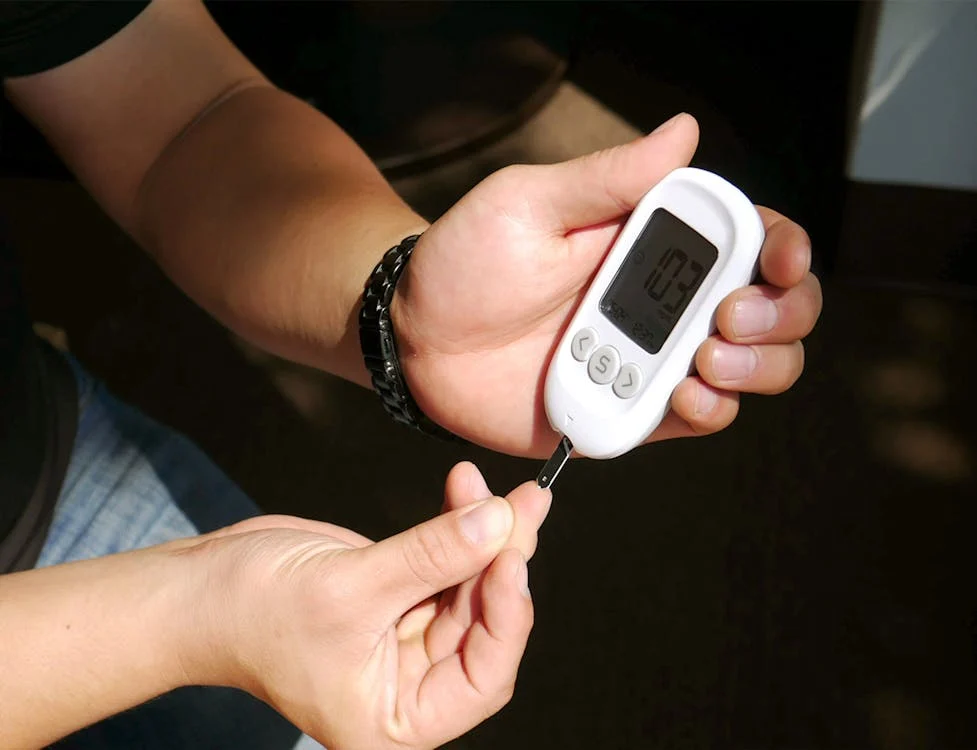
Monitoring blood sugar levels regularly helps identify abnormalities early, reducing the risk of complications like cardiovascular disease, nerve damage, kidney failure, and vision problems. For diabetics, maintaining target ranges is essential to prevent emergencies like diabetic ketoacidosis or hyperosmolar hyperglycemic state.
Understanding these ranges empowers individuals to take proactive steps toward managing their blood sugar levels through lifestyle changes, medication, and regular consultations with healthcare professionals.
ı Factors that cause Diabetes
Several factors contribute to the development of diabetes symptoms:
- Genetics: A family history of diabetes increases the risk of developing the condition.
- Lifestyle: Poor eating habits, physical inactivity, and obesity are significant risk factors.
- Age: The risk of type 2 diabetes increases with age, particularly after 45.
- Stress: Chronic stress can lead to elevated blood sugar levels and changes in appetite.
Our endocrinologists at Lopmudra Hospital can help identify your risk factors and create a personalized care plan.
ı Types of Diabetes Treatment
At Lopmudra Hospital, we offer several advanced diabetes treatment options tailored to suit individual needs:
| Treatment Type | Benefits | Suitable For |
|---|---|---|
| Insulin Therapy | Regulates blood sugar levels effectively | Type 1 and some Type 2 diabetes patients |
| Oral Medication | Helps the body use insulin more efficiently | Type 2 diabetes patients |
| Continuous Glucose Monitoring | Provides real-time blood sugar readings | Patients needing regular blood sugar tracking |
Diabetes management at Lopmudra Hospital also includes lifestyle counseling and diet planning.
ı Cost of Diabetes Treatment in Pune
The cost of diabetes treatment at Lopmudra Hospital varies based on the complexity and type of care needed. Typically, costs include:
- Consultation with an endocrinologist
- Routine blood tests and monitoring
- Medication management (insulin, oral drugs)
- Nutritional counseling
We recommend scheduling a consultation for a detailed cost estimate specific to your treatment plan.
ı Post-Treatment and Recovery for diabetes
Life with diabetes involves ongoing care to prevent complications and maintain a healthy lifestyle. At Lopmudra Hospital, our post-treatment care includes:
- Regular follow-ups to adjust treatment plans as needed
- Education on diabetes self-management
- Personalized exercise and wellness programs
Our comprehensive support ensures that patients not only manage their diabetes but thrive despite it.
ı Why choose Lopmudra Hospital for diabetes care?
At Lopmudra Hospital, we are committed to delivering superior care to our patients through:
- Expertise: Our team includes some of the best endocrinologists in Pune, ensuring accurate diagnosis and effective treatment plans.
- Technology: We employ the latest tools and technology for precise monitoring and management.
- Patient-Centric Care: We focus on tailored treatment plans that address the unique needs of each patient.
ı Frequently asked questions about diabetes care
Q1: What is the normal blood sugar level?
A: A normal fasting blood sugar level is between 70 to 99 mg/dL. Post-meal levels should be less than 140 mg/dL.
Q2: Can diabetes be cured?
A: While there is no cure, diabetes can be effectively managed with proper lifestyle and medical interventions.
Q3: How often should I monitor my blood sugar?
A: Frequency depends on your treatment plan; typically, it’s recommended to check multiple times daily, especially if on insulin therapy.
Q4: What dietary changes help with diabetes management?
A: Focus on a balanced diet rich in whole grains, lean proteins, and fresh fruits and vegetables; avoid processed sugars and high-fat foods.
Q5: Are there support groups available?
A: Lopmudra Hospital provides patient support resources where individuals can share experiences and get motivational support.
Q6: What is the contact number for appointments?
A: Call us at +918087122022 or WhatsApp at 918379033033 for appointments.
ı Comparison of diabetes treatment options
| Treatment Option | Pros | Cons |
|---|---|---|
| Insulin Therapy | Highly effective for blood glucose control | Requires regular injections, careful monitoring |
| Oral Medications | Convenient, various types available | Not always effective for type 1 diabetes |
| Lifestyle Changes | Non-invasive, holistic approach | Requires consistency and discipline |
Advanced diabetes treatment options at our hospital are designed to combine these methods for optimal outcomes.
We invite you to explore our specific diabetes care program by visiting our website or contacting us directly to learn more about how Lopmudra Hospital can support your journey to optimal health.

Leave a Reply