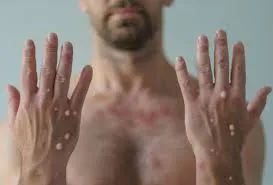
Monkey Pox Treatment in Pune: Everything You Need to Know at Lopmudra Hospital
Monkey Pox is a rare viral infection with symptoms similar to smallpox. While it is less contagious and causes milder illness, early diagnosis and proper treatment are essential. This page provides comprehensive information about Monkey Pox treatment at Lopmudra Hospital in Pune, including details about our services, costs, and expert care.
What is Monkey Pox?
Monkey Pox is an infectious disease caused by the monkeypox virus, which belongs to the Orthopoxvirus genus. This viral infection is primarily zoonotic, meaning it is transmitted from animals to humans, with rodents being the main reservoir. However, human-to-human transmission can occur through direct contact with infectious lesions, body fluids, respiratory droplets, and contaminated materials.
The incubation period generally ranges from 7 to 14 days but can extend to 21 days. Monkey Pox typically manifests with:
- Fever
- Headache
- Muscle aches
- Exhaustion
- Swollen lymph nodes
- A rash that evolves from macules to vesicles, pustules, and scabs
Understanding the progression and symptoms of Monkey Pox is crucial to seeking timely medical attention.
Signs and Symptoms Indicating You Need Monkey Pox Treatment
Recognizing the early signs of Monkey Pox is essential for receiving prompt and appropriate treatment. Patients often experience flu-like symptoms such as fever, chills, and fatigue, which precede the development of a distinctive rash. This rash typically starts on the face and spreads to other parts of the body, transforming into fluid-filled pustules that eventually scab over.
You should seek medical consultation if you experience:
- Unexplained rashes or pustules, especially if you have recently traveled to areas where Monkey Pox is endemic or come into contact with potentially infected individuals.
- Persistent high-grade fever and lymphadenopathy (swelling of the lymph nodes).
- Intense headaches or muscle pains that do not subside with usual medication.
- If you are living with someone or have been in close contact with someone who has been diagnosed with Monkey Pox.
Early intervention can help manage symptoms effectively and prevent complications.
Factors Causing Monkey Pox Symptoms
The symptoms of Monkey Pox are primarily caused by the infiltration and replication of the virus within the body. Various factors contribute to the severity and manifestation of symptoms:
- Animal Contact: Transmission primarily occurs through direct contact with the blood, bodily fluids, or cutaneous or mucosal lesions of infected animals.
- Human-to-Human Transmission: Close contact with respiratory tract secretions, skin lesions of an infected person, or recently contaminated objects.
- Weakened Immune System: Individuals with compromised immune systems are more susceptible to severe manifestations of the disease.
- Lack of Vaccination: The smallpox vaccine, which provides some immunity to Monkey Pox, is no longer widely administered, leading to increased incidences, particularly in younger populations.
Understanding these transmission vectors can aid in prevention and early diagnosis.
Types of Monkey Pox Treatment
The treatment for Monkey Pox primarily focuses on symptom management and preventing complications. There are no specific treatments or vaccines for Monkey Pox; however, the smallpox vaccine, antivirals, and vaccinia immune globulin (VIG) can be used to control outbreaks.
| Treatment Type | Benefits | Considerations |
|---|---|---|
| Supportive Care | Alleviates symptoms and supports the immune system | Requires hospitalization in severe cases |
| Antiviral Medication | May shorten the duration of the illness | Limited data on efficacy; used off-label |
| Vaccination | Provides prevention or reduces severity | Not available to the public; reserved for outbreak controls |
Our healthcare providers at Lopmudra Hospital tailor the treatment plan based on the severity and specific needs of each patient.
Cost of Monkey Pox Treatment in Pune
The cost of Monkey Pox treatment at Lopmudra Hospital can vary based on the severity of symptoms, required hospital stay, and specific medical interventions needed. While precise figures can only be given after a thorough evaluation, we strive to maintain affordability without compromising the quality of care.
Generally, costs include:
- Initial consultation and diagnostic tests
- Hospitalization and monitoring (if necessary)
- Symptomatic treatment and medications
- Follow-up consultations
For detailed pricing and insurance inquiries, please contact our support line at +918087122022 or visit our website for more information.
Post-Treatment and Recovery for Monkey Pox
Recovery from Monkey Pox typically ranges from 2 to 4 weeks. Most patients recover with supportive care, but ongoing monitoring is crucial to ensure there are no complications. At Lopmudra Hospital, we emphasize a comprehensive follow-up strategy to aid our patients in making a full recovery.
Post-treatment care includes:
- Regular monitoring of symptoms until complete resolution
- Advising on isolation to prevent transmission to others, particularly vulnerable groups
- Nutritional support to rebuild strength and boost immunity
- Routine follow-ups to watch for signs of complications
Our medical team remains committed to providing comprehensive care and guidance throughout your recovery journey.
Treatment Outcomes and Patient Testimonials
At Lopmudra Hospital, patient satisfaction is a testament to the quality of care we provide. Our treatment outcomes for Monkey Pox have been highly positive, with patients making full recoveries without significant complications.
Here are a few testimonials from our patients:
“I received timely and compassionate care at Lopmudra Hospital. The staff made sure I was comfortable and informed throughout my treatment. I am very grateful.” – Rohan S.
“The doctors at Lopmudra are experts in their field. They not only treated my medical symptoms but also supported me emotionally. I highly recommend them!” – Leena D.
These experiences highlight our commitment to excellence and patient-centered care.
Why Choose Lopmudra Hospital for Monkey Pox Treatment?
Lopmudra Hospital is a leading healthcare facility in Pune, offering specialized Monkey Pox treatment under the guidance of experienced professionals in General Medicine. We stand out for our commitment to patient care, advanced medical practices, and a friendly, empathetic environment.
- Access to experienced Monkey Pox specialists in Pune
- Comprehensive diagnostic services using cutting-edge technology
- Holistic treatment plans tailored to individual patient needs
- Seamless insurance processing and financial guidance
- Convenient location with ample facilities and support for families
Choose Lopmudra Hospital for effective, compassionate, and dedicated healthcare in managing Monkey Pox in Pune.
Meet Our Team of Monkey Pox Specialists
Our team at Lopmudra Hospital comprises seasoned professionals specializing in the diagnosis and treatment of infectious diseases like Monkey Pox. Our specialists are not only well-versed in general medical practices but are also deeply empathetic towards the unique needs of each patient.
Our team includes:
- Dr. Anjali Kumar, MD – Infectious Disease Specialist
- Dr. Ravi Thakare, MD – General Medicine Expert
- Dr. Sneha Singh, MBBS – Practitioner of Preventive Medicine
Each member of our team is dedicated to providing excellent medical care and emotional support to ensure swift recovery and lasting health improvements.
How Can We Avoid Monkey Pox?
Prevention is crucial in managing Monkey Pox risk. Here are several strategies recommended by healthcare experts:
- Maintaining proper hygiene and handwashing practices
- Avoiding contact with animals that might harbor the virus, such as rodents and primates
- Minimizing exposure to potentially contaminated materials in endemic areas
- Ensuring vaccination for smallpox if at high risk; it provides cross-immunity to Monkey Pox
- Isolating infected patients to prevent the spread within communities
Public health awareness and education are key in curbing the spread of Monkey Pox. At Lopmudra Hospital, we offer detailed counseling and preventive guidance as part of our healthcare services.
FAQs on Monkey Pox Treatment at Lopmudra Hospital
Q1: How is Monkey Pox diagnosed at Lopmudra Hospital?
Diagnosis involves a clinical exam followed by lab tests, including PCR and viral cultures, to confirm the presence of the virus.
Q2: What should I do if I suspect a Monkey Pox infection?
If you have a rash with flu-like symptoms and suspect Monkey Pox, seek medical assistance promptly for diagnostic testing and expert care.
Q3: Is Monkey Pox contagious?
Yes, it spreads through direct contact with infected individuals or animals and occasionally via respiratory droplets in prolonged face-to-face contact.
Q4: Can Monkey Pox be fatal?
While most cases are mild, severe cases can occur, particularly in immunocompromised individuals. Early medical evaluation helps in better management.
Q5: What is the contact information for emergencies?
For urgent queries, you can contact us at our emergency helpline: +918087122022 or through WhatsApp at 918379033033.
Q6: How soon should I get medical attention?
Prompt diagnosis and care are important. Seek medical advice if symptoms develop, especially after potential exposure.
For more detailed answers or to schedule an appointment, visit our website.
Lopmudra Hospital, located in Vishwakarma Nagar, near NIV Pashan, Pune, Maharashtra, is your trusted healthcare partner for comprehensive Monkey Pox management and treatment. Call us at +918087122022 for exceptional care and support.
Leave a Reply