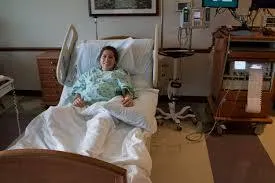
What Happens Immediately After the C-Section?
A caesarean section, or C-section, is a surgical procedure performed to deliver a baby through incisions made in the mother’s abdomen and uterus. The decision may arise from various factors, such as complications during pregnancy or labor, or a prior C-section. Understanding what happens immediately after a C-section is crucial for new mothers and their families to ensure a smoother recovery process. At Lopmudra Hospital Chain, located in the heart of Pune, we prioritize maternal health and strive to provide comprehensive care at every stage of your journey.
An Overview of the C-Section Procedure
Prior to discussing post-operative care, it’s essential to understand the C-section procedure. The operation typically involves the following steps:
- Preparation: The patient is prepared and positioned on the operating table, often with an epidural or spinal anesthesia administered.
- Incision: The surgeon makes a horizontal cut just above the pubic hairline, known as a bikini cut, or a vertical incision in the middle of the abdomen.
- Delivery: The uterus is opened, allowing the healthcare team to carefully extract the baby.
- Closure: After delivering the baby and cleaning the area, the surgeon closes the incisions in reverse order.
Understanding the surgical process provides context for what happens immediately afterward, which features several important steps geared toward the well-being of both mother and baby.
Post-Operative Care in the Recovery Room
Once the C-section is complete, the mother is transported to a recovery room where continuous monitoring occurs. Here’s what mothers can generally expect at this stage:
- Monitoring Vital Signs: Healthcare professionals will routinely check vital signs such as blood pressure, heart rate, and oxygen saturation. This vigilance is essential to identify any potential complications early.
- Pain Management: Pain relief is provided through medications, administered either orally or intravenously, to manage discomfort. It’s crucial to communicate with nursing staff about pain levels to adjust treatment accordingly.
- Fluid Management: Intravenous fluids will be administered to maintain hydration and electrolyte balance until the mother can resume oral intake.
- Newborn Care: The baby is usually placed directly on the mother’s chest, promoting skin-to-skin contact, which is vital for bonding and breastfeeding initiation.
The recovery period immediately following the C-section highlights the importance of close supervision to reduce risks and ensure a seamless transition to postpartum care.
Understanding Common Concerns and Complications
After a C-section, new mothers may experience a range of symptoms. While some discomfort is expected, certain issues should be discussed with healthcare providers. Common concerns include:
- Infection: Watch for signs of infection around the incision, such as increased redness or discharge.
- Respiratory Issues: Some women may experience shortness of breath or fast breathing, particularly if anesthesia complications arose.
- Excessive Pain: If pain appears to intensify rather than diminish over time, it’s crucial to consult a physician.
At Lopmudra Hospital Chain, our experienced team of healthcare professionals ensures that mothers have a thorough understanding of these potential complications, enabling timely communication and care.
Initiating Breastfeeding After C-Section
One of the immediate concerns after delivery encompasses the initiation of breastfeeding. While this essential bonding experience might present a few challenges for mothers recovering from a C-section, it is achievable with guidance and support:
- Positioning: Finding a comfortable nursing position plays a vital role in successful breastfeeding. Side-lying or football hold positions may be less taxing on the incision.
- Support: Helpful staff will provide assistance during the early attempts at breastfeeding, aiding in positioning and latch-on techniques.
- Patience: Initial experiences with breastfeeding may require adjustments and patience, so mothers should not hesitate to reach out for help.
The foundational moments of breastfeeding can be nurtured right in the recovery room, ensuring that mothers and babies establish a healthy, loving relationship early on.
Mobility and Physical Activity Post-C-Section
Immediately after a C-section, physical activity is limited but is gradually encouraged as part of the healing process. Here’s a general timeline of what to expect concerning mobility:
- Within the first 24 hours, mothers may be instructed to move their legs and feet to promote circulation.
- Most women are encouraged to sit up and begin walking short distances within 24 to 48 hours post-surgery.
- After about three days, with medical clearance, mothers can begin light activities, progressing as their comfort allows.
Engaging in physical activity has benefits such as reducing the risk of blood clots and promoting healing. Healthcare providers will offer guidelines based on individual recovery progress.
Pain Management and Comfort Strategies
Pain management is a critical aspect of recovery after a C-section. As outlined earlier, medications, including NSAIDs and opioids, can be administered to alleviate discomfort. Additional strategies may include:
- Ice Packs: Applying ice packs to the incision site can help reduce swelling and numb pain.
- Pillow Support: A pillow can be held against the abdomen while coughing, laughing, or sneezing, providing additional support.
- Relaxation Techniques: Gentle breathing exercises, meditation, and light stretching can help ease tension and promote a sense of well-being.
Proper pain management and comfort strategies are essential to navigating the postpartum period positively. At Lopmudra Hospital Chain, we guide mothers through this process, facilitating a gradual and effective recovery.
Follow-Up Appointments and Care
Follow-up appointments usually occur within 6 to 8 weeks after surgery to monitor recovery progress and address any lingering concerns. During these visits, healthcare providers will evaluate:
- The condition of the surgical incision and overall healing process.
- An assessment of pain levels and pain management strategies employed.
- Guidance regarding the return to normal activities, exercise, and family planning.
Open communication during follow-up appointments is vital, as discussing any concerns or discomfort can further enhance recovery processes. Motherhood is a significant transition, and our specialists at Lopmudra Hospital Chain take immense pride in being part of your journey.
Conclusion: Embracing Your Recovery Journey
Recovering from a C-section requires patience, self-compassion, and the right support system. By understanding the steps involved immediately after the surgery, new mothers, and their families can better prepare themselves for this important phase. The staff at Lopmudra Hospital Chain in Pune remain committed to offering the best maternity care to ensure that every aspect of recovery is covered with compassion and expertise. If you’re searching for the best maternity hospital in Pune and top-notch gynecology services, reach out to us at +918087122022. Together, let’s embrace this beautiful journey of motherhood with confidence and love.
This article was written by Dr. Archana Salve, sharing insights based on professional experience in the field.
Leave a Reply