What Happens to High Blood Pressure After Delivery?
Navigating through pregnancy is a transformative experience for many women, filled with excitement and anticipation. However, it can also bring along various health challenges, one of which is hypertension or high blood pressure, commonly referred to as postpartum hypertension. Understanding what happens to high blood pressure after delivery is crucial for both expectant mothers and healthcare professionals. This blog aims to delve into the intricacies of postpartum hypertension, providing insight into its causes, symptoms, treatment options, statistics, and more specifically, the support and services provided by the Lopmudra Hospital Chain.
Understanding Hypertension During Pregnancy
Hypertension during pregnancy is classified into several categories:
- Chronic Hypertension: High blood pressure present before pregnancy or diagnosed before the 20th week of gestation.
- Gestational Hypertension: High blood pressure that develops after the 20th week of pregnancy without protein in the urine or other signs of damage.
- Preeclampsia: A serious condition characterized by high blood pressure and signs of damage to other organ systems, often accompanied by protein in the urine.
The prevalence of postpartum hypertension varies, with studies indicating that about 5-10% of women will experience high blood pressure in the postpartum period. Understanding your condition and working closely with a hypertension specialist can help prevent serious complications following delivery.
Causes of High Blood Pressure After Delivery
Several factors can contribute to high blood pressure in the postpartum phase, including:
- Fluid Retention: After delivery, women often retain excess fluid, which can contribute to elevated blood pressure levels.
- Hormonal Changes: The rapid shift in hormones after delivery can lead to fluctuations in blood pressure.
- Stress and Fatigue: The physical and emotional stress of childbirth and caring for a newborn can affect blood pressure.
- Weight Gain: Weight gained during pregnancy can pose risks for hypertension if not managed appropriately after delivery.
It is essential to have regular check-ups with your healthcare provider, especially if you had high blood pressure during pregnancy or if you notice any symptoms after delivery. At Lopmudra Hospital Chain, our specialists emphasize proactive monitoring and preventive measures to ensure maternal well-being.
Symptoms of Postpartum Hypertension
Recognizing the symptoms of postpartum hypertension is vital for timely intervention. Common signs may include:
- Severe Headaches: Unexplained and persistent headaches that do not respond to usual pain relief methods.
- Changes in Vision: Blurred or impaired vision may be an alarming sign.
- Shortness of Breath: Difficulty breathing or feelings of chest pressure can indicate serious issues.
- Swelling: Noticeable swelling in the face and hands can reflect fluid retention and hypertension.
If you experience any of the above symptoms, it is crucial to seek medical assistance promptly. Our team at Lopmudra Hospital Chain ensures rapid response and supportive care during these critical moments.
Monitoring Blood Pressure After Delivery
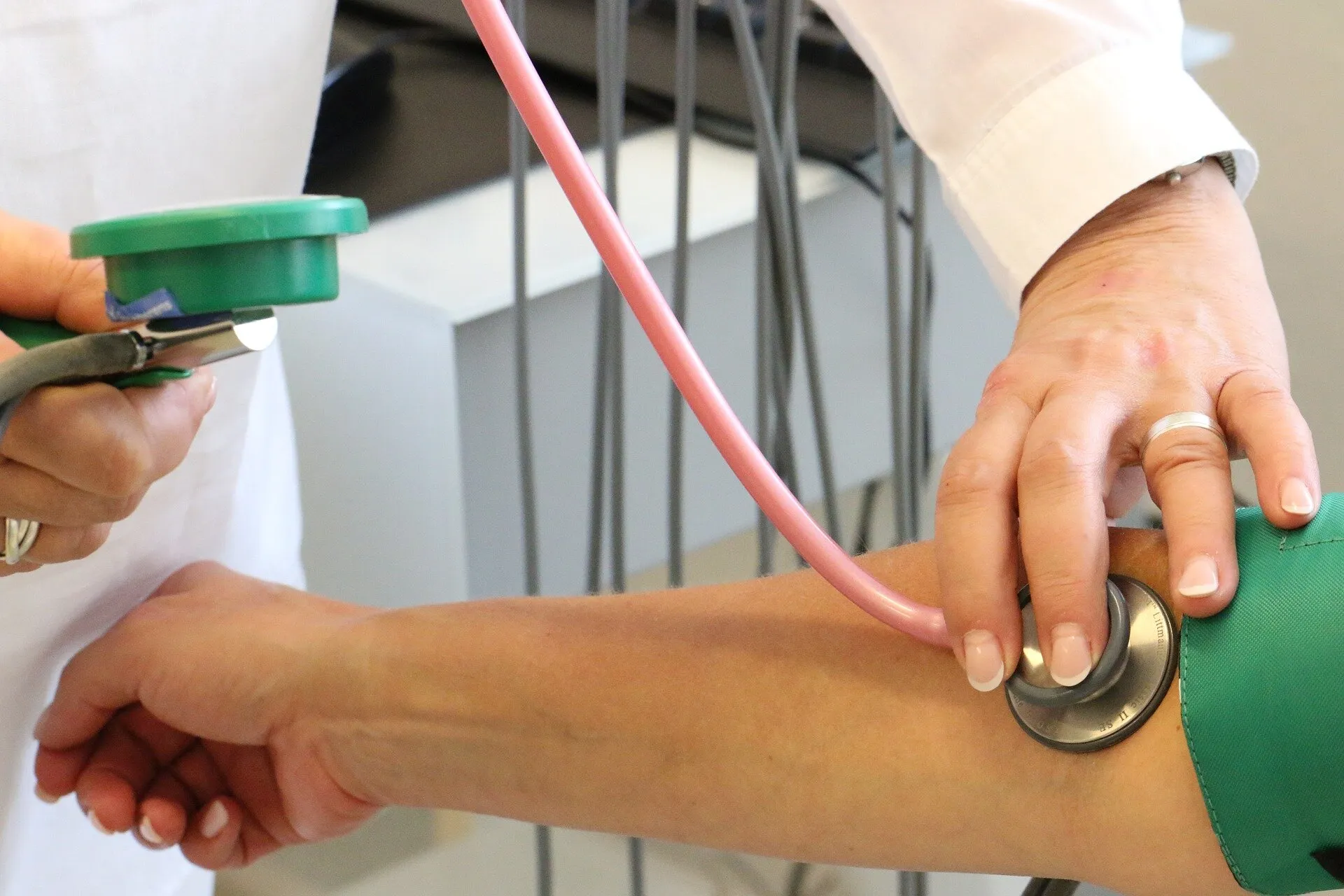
It is essential to closely monitor blood pressure levels in the days and weeks following delivery. A healthcare provider will typically check your blood pressure during routine postpartum visits, especially if you had high blood pressure while pregnant. The following practices are vital for effective monitoring:
- Home Monitoring: Using a home blood pressure monitor can help you track your levels in a comfortable setting. If you develop new symptoms or your readings are consistently high, it’s essential to contact your healthcare provider.
- Follow-Up Appointments: Regular check-ups after delivery will allow your healthcare team to assess how well you are recovering and managing blood pressure.
- Educate Yourself: Understanding target blood pressure numbers and lifestyle modifications can empower you in maintaining healthy levels.
At Lopmudra Hospital Chain in Pune, our expertise in women’s health services positions us to offer tailored advice and support for postpartum recovery, ensuring optimal wellness for mothers.
Treatment Options for Postpartum Hypertension
Treatment for postpartum hypertension may vary based on the severity and underlying causes of the condition. Options include:
- Lifestyle Modifications: Simple changes such as a low-sodium diet, regular exercise, and weight management can significantly impact blood pressure levels.
- Medications: Your healthcare provider may prescribe antihypertensive medications to control blood pressure effectively, especially if lifestyle changes are insufficient.
- Monitoring and Regular Consultations: Regular follow-ups with a healthcare provider can help to identify any necessary changes or interventions promptly.
If you’re seeking the best maternity care in Pune, our professional team is equipped to handle various health concerns, customizing treatment plans specific to each patient’s needs.
Managing Blood Pressure Post-Delivery: Tips for New Mothers
Women can adopt several practical strategies to manage blood pressure after delivery effectively. Here are some proven techniques:
- Stay Hydrated: Adequate water intake can help reduce fluid retention and keep hypertension at bay.
- Balanced Diet: Emphasize a healthy diet rich in fruits, vegetables, lean proteins, and whole grains while minimizing processed foods and sugar.
- Engage in Physical Activity: Gentle exercises like walking or yoga can help regulate blood pressure and improve recovery.
- Prioritize Mental Health: Postpartum stress and anxiety can influence blood pressure. Consider relaxation techniques such as mindfulness or seeking professional support if needed.
With health services dedicated to women at Lopmudra Hospital Chain, our focus remains on holistic maternal health, guiding new mothers towards a healthier lifestyle.
Statistics on Postpartum Hypertension
The statistics surrounding postpartum hypertension underscore the importance of awareness and management. According to recent studies:
- Approximately 12-20% of women develop high blood pressure during their postpartum period.
- A significant proportion, about 30%, of women with gestational hypertension experience persistent hypertension after delivery.
- Maternal complications related to high blood pressure can increase the risk of cardiovascular diseases later in life.
Given these alarming figures, being proactive with healthcare appointments is critical. At Lopmudra Hospital, we are committed to following up our mothers to safeguard their health beyond pregnancy.
Conclusion: Navigating Postpartum Health Concerns
Recognizing and addressing high blood pressure after delivery is vital for the health of new mothers. The journey doesn’t end once the baby is born; rather, it transitions into a new chapter requiring attentiveness to health changes and proactive measures. With appropriate support, education, and medical guidance, managing postpartum hypertension can certainly be achievable.
If you or someone you know is experiencing concerns related to postpartum hypertension, consult with a maternal health expert in Pune. The experienced providers at Lopmudra Hospital Chain are here to assist you, ensuring that you receive the best maternity care. For appointments or inquiries, do not hesitate to reach out at +918087122022 or via WhatsApp at 918379033033. Remember, your health is our priority!
This article was written by Dr. Archana Salve, sharing insights based on professional experience in the field.
Leave a Reply