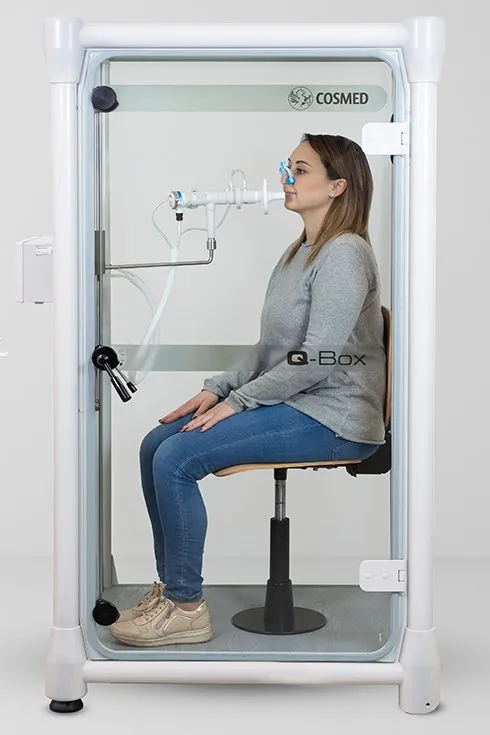
What is Spirometry?
Spirometry is a nearly ubiquitous diagnostic tool in pulmonary medicine, essential for assessing lung function. It measures how much air you can inhale and exhale, as well as how quickly you can exhale. This simple yet essential test helps healthcare providers identify various lung issues, including asthma, chronic obstructive pulmonary disease (COPD), and other conditions affecting respiratory efficiency. With spirometry, clinicians at Lopmudra Hospital Chain can gain insight into a patient’s breathing patterns and lung health, allowing for timely and appropriate medical interventions.

ı Understanding the Spirometry Test
During a spirometry test, you will be asked to breathe into a device called a spirometer. This machine calculates various parameters, the most common being:
- Forced Vital Capacity (FVC): The total amount of air you can forcibly exhale after inhaling fully.
- Forced Expiratory Volume in 1 second (FEV1): The volume of air you can forcibly exhale in the first second of the FVC test.
- FEV1/FVC Ratio: This ratio helps determine if a patient has a restrictive or obstructive lung condition.
Spirometry is quick, usually taking 15-30 minutes, and is typically conducted in an outpatient setting. At Lopmudra Hospital Chain, we emphasize patient comfort and ensure that all procedures are explained clearly to reduce any anxiety associated with testing.
ı Conditions Diagnosed by Spirometry
Spirometry is invaluable in diagnosing various respiratory conditions. Some of the key conditions it helps to identify include:
- Asthma: A chronic condition characterized by inflammation and narrowing of the airways, leading to wheezing and shortness of breath.
- Chronic Obstructive Pulmonary Disease (COPD): A progressive disease that encompasses emphysema and chronic bronchitis, caused primarily by smoking.
- Interstitial Lung Disease: A group of diseases affecting the lung interstitium (the space around the air sacs), leading to lung scarring.
- Lung Function Monitoring: For patients already diagnosed with lung conditions, spirometry can track the severity of their disease and treatment efficacy.
According to statistics, COPD affects over 250 million people globally, making spirometry an essential aspect of respiratory care. Notably, the early detection of asthma can improve long-term outcomes and quality of life.
ı Preparing for a Spirometry Test
While spirometry is straightforward, patients should prepare adequately for optimal results. Here are some tips for preparation:
- Avoiding Heavy Meals: Take the test on an empty stomach or with a light meal, as a full stomach may affect lung capacity.
- Avoiding Smoking: Refrain from smoking any tobacco products for at least 4-6 hours before the test.
- Medication Considerations: Discuss any medications with your healthcare provider, as some may need to be withheld prior to the test.
- Proper Clothing: Wear loose-fitting clothing to facilitate easy breathing.
At Lopmudra Hospital Chain, our dedicated staff ensures all patients receive detailed instructions tailored to their specific situations before a spirometry test.
ı Interpreting Spirometry Results
Once the test is complete, interpreting the spirometry results is crucial for diagnosis and treatment planning. Here are some possible outcomes and what they may indicate:
- Normal Results: Indicate healthy lung function with normal FEV1, FVC, and FEV1/FVC ratios.
- Obstructive Pattern: Characterized by a reduced FEV1, normal or reduced FVC, and a decreased FEV1/FVC ratio, often indicating conditions like asthma or COPD.
- Restrictive Pattern: Normal FEV1/FVC ratio but a reduced FVC, suggesting conditions such as pulmonary fibrosis.
Having your spirometry tests interpreted by qualified healthcare professionals is essential for accurate diagnosis and subsequent treatment options. At Lopmudra Hospital Chain, our experienced pulmonologists provide individualized evaluations to help you navigate your results properly and effectively.
ı Treatment Options Following Spirometry Testing
If spirometry results indicate a respiratory condition, various treatment options may be available, adaptable to individual needs:
- Medications: Inhalers, bronchodilators, and corticosteroids can manage symptoms effectively.
- Shortness of Breath Management: Techniques such as pursed-lip breathing can enhance oxygenation during episodes.
- Pulmonary Rehabilitation: Structured exercise and education programs can improve lung function and overall well-being.
- Monitoring and Follow-Up: Regular check-ups with a lung specialist to monitor lung function is crucial for ongoing management.
At Lopmudra Hospital Chain, we pride ourselves on offering comprehensive care tailored to each patient’s needs, ensuring sustainable and effective management of lung conditions.
ı The Importance of Lung Health Awareness
Maintaining lung health is paramount, particularly with the increasing prevalence of respiratory diseases globally. According to the World Health Organization (WHO), chronic respiratory conditions are among the leading causes of morbidity and mortality worldwide. The following points highlight the importance of raising awareness about lung health:
- Healthy Lifestyle Choices: Engaging in regular exercise, eating a balanced diet, and avoiding tobacco smoke can greatly impact lung health.
- Screening and Early Detection: Regular spirometry tests for at-risk individuals can lead to early diagnosis and management of lung diseases.
- Education and Advocacy: Public health initiatives aimed at educating communities about lung disease can foster healthier environments.
At Lopmudra Hospital Chain, we recognize the significance of lung health and actively engage in educational campaigns to promote awareness and preventive measures among our patients and the wider community.
ı Local Support for Spirometry and Lung Health
If you’re based in Delhi and are seeking assistance with lung health, including spirometry testing, Lopmudra Hospital Chain stands out among the best hospitals in Delhi. Our state-of-the-art facilities and compassionate healthcare team are committed to patient care in Delhi. We offer a range of services, from initial evaluations to comprehensive treatment plans for lung conditions.
To know more about our healthcare services or to schedule a spirometry test, feel free to reach out through our contact number at +918087122022 or via WhatsApp at +918379033033. For appointments, please visit our booking page here.
We look forward to assisting you on your journey toward better lung health.

Leave a Reply