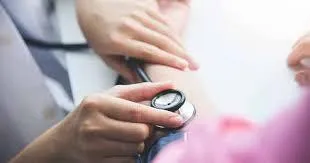
Understanding High Blood Pressure After Birth
High blood pressure, or hypertension, is a condition that can affect women after childbirth, also known as postpartum hypertension. This condition can manifest as either pre-existing hypertension that persists after delivery or develop after the birth, and it can lead to significant health complications if left untreated. At Lopmudra Hospital Chain Pune, we are committed to providing comprehensive maternal care, ensuring that any health issues following delivery are addressed promptly and effectively.
Postpartum hypertension can be classified into several categories, including gestational hypertension and preeclampsia. Understanding these classifications is crucial, as they can influence treatment and recovery strategies. Statistics indicate that approximately 6% to 8% of women develop hypertension postpartum, emphasizing the importance of monitoring blood pressure during this period.
Causes of High Blood Pressure After Giving Birth
The causes of postpartum high blood pressure can be varied and complex. Common factors contributing to this condition include:
-
Hormonal Changes: After delivery, a woman’s body undergoes significant hormonal shifts. These changes can affect blood pressure regulation.
-
Fluid Retention: Many women experience swelling and fluid retention after childbirth, which can temporarily raise blood pressure levels.
-
Preexisting Conditions: Women with a history of hypertension or preeclampsia during pregnancy may have an increased risk of postpartum hypertension.
-
Stress and Fatigue: The stress of new motherhood and physical fatigue can also contribute to elevated blood pressure readings.
Recognizing these causes can help healthcare providers at Lopmudra Hospital Chain Pune more accurately assess and monitor new mothers for potential health issues following childbirth.
Signs and Symptoms to Watch For
Women experiencing high blood pressure postpartum may exhibit several symptoms. Being vigilant about these signs is essential for early detection and intervention:
-
Headaches: Persistent headaches that do not resolve with over-the-counter pain relief may indicate elevated blood pressure.
-
Blurred Vision: Changes in vision, including blurriness or seeing spots, can signal complications related to high blood pressure.
-
Swelling: While some swelling is normal after childbirth, excessive swelling of the hands, feet, or face should be evaluated.
-
Chest Pain: Chest pain or difficulty breathing requires immediate medical attention as it could indicate serious complications.
If you experience any of these symptoms after giving birth, contact Lopmudra Hospital Chain Pune to schedule a follow-up consultation and ensure a healthy recovery.
Diagnosis of Postpartum Hypertension
Diagnosing high blood pressure post-delivery typically involves a combination of health assessments and monitoring techniques:
-
Blood Pressure Measurements: Regular monitoring of blood pressure is crucial during postpartum check-ups. Blood pressure exceeding 140/90 mmHg is typically considered hypertensive.
-
Medical History Review: A thorough review of the mother’s medical history, including any previous pregnancy complications, will help clinicians identify risk factors.
-
Laboratory Tests: In some cases, additional tests, such as blood tests and urine tests, may be required to assess kidney function and rule out complications.
At Lopmudra Hospital Chain Pune, our healthcare specialists ensure a thorough assessment to accurately diagnose and implement an effective treatment plan for managing postpartum hypertension.
Treatment Options for High Blood Pressure After Giving Birth
Treatment for high blood pressure postpartum is essential in preventing complications for both the mother and the baby. The treatment approach typically involves both lifestyle modifications and medical intervention.
Lifestyle Modifications
Implementing healthy lifestyle changes can significantly aid in managing blood pressure levels. Recommendations include:
-
Dietary Changes: A balanced diet rich in fresh fruits, vegetables, whole grains, and lean proteins can promote heart health. Reducing salt intake and avoiding processed foods will also be beneficial.
-
Regular Exercise: Engaging in moderate exercise, such as walking or postpartum yoga, can help reduce blood pressure. Always consult with your clinician before initiating any exercise regimen.
-
Hydration: Drinking adequate water can help reduce fluid retention and support overall wellness.
-
Stress Management: Techniques such as breathing exercises, meditation, and seeking support from loved ones can assist in managing stress.
Medications
In some cases, medication may be necessary to manage high blood pressure effectively. Common medications prescribed include:
| Medication Type | How It Works | Possible Side Effects |
|---|---|---|
| Diuretics | Helps the body eliminate excess sodium and water. | Dizziness, dehydration |
| ACE Inhibitors | Relaxes blood vessels by inhibiting enzyme activity. | Low blood pressure, cough |
| Beta-blockers | Reduces heart rate and workload on the heart. | Fatigue, cold hands/feet |
Medication should always be managed and monitored by a qualified healthcare provider to ensure optimal dosing and oversight of potential side effects.
Our team at Lopmudra Hospital Chain Pune is dedicated to providing individualized treatment plans centered around the health of both mother and child, offering support and guidance every step of the way.
Postpartum Care and Monitoring
Postpartum care is vital for all new mothers, particularly those experiencing high blood pressure. It’s essential to schedule regular follow-up appointments to monitor blood pressure and adjust treatment plans as necessary.
-
Routine Appointments: Following childbirth, regular check-ups should take place during the first six weeks postpartum. Blood pressure should be monitored at each visit to assess any needed adjustments.
-
Self-Monitoring: New mothers should consider investing in a home blood pressure monitor to keep track of their readings in between appointments, ensuring that any concerning trends can be addressed promptly with healthcare providers.
It’s important to stay informed and proactive about postpartum health. Utilize resources available through Lopmudra Hospital Chain Pune to gain access to educational materials and support groups specific to postpartum care and hypertension.
Long-Term Outlook for Women with Postpartum Hypertension
For many women, postpartum hypertension resolves within a few weeks to months following delivery. However, it is vital to be aware that women who have experienced high blood pressure postpartum are at an increased risk of developing hypertension in the future. Statistics reveal that about 20% to 50% of women with a history of gestational hypertension will experience chronic hypertension later in life.
Regular health check-ups and blood pressure monitoring are essential as part of long-term management. Educating oneself about heart health, maintaining a balanced lifestyle, and adhering to follow-up appointments can all contribute to enduring heart health postpartum.
At Lopmudra Hospital Chain Pune, we are dedicated to providing patients with the resources and support necessary for long-term health so that every mother can thrive well after childbirth.
Conclusion: Your Health After Birth Matters
Navigating the complexities of postpartum health, including managing high blood pressure, is crucial for your overall well-being. As a new mother, prioritizing your health directly impacts your ability to care for your newborn and enjoy this precious time.
If you have concerns regarding high blood pressure postpartum or would like to learn about our maternity services in Pune, contact Lopmudra Hospital Chain Pune at +918087122022 or reach out via WhatsApp at 918379033033. Our team of experienced professionals, including some of the best gynecologists in Pune, is here to support you through safe postpartum recovery.
This article was written by Dr. Archana Salve, sharing insights based on professional experience in the field.
Leave a Reply